
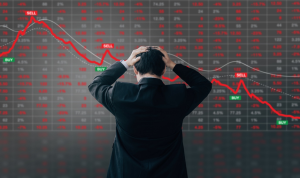
Delving into the foreign exchange market can often feel like navigating through a tempestuous sea. The risk in forex market, immense yet nuanced, presents both opportunities and challenges that demand a trader’s astute attention and respect. This vast market, humming with the activity of traders around the globe, is a complex ecosystem where various risks interplay, shaping the trading experience.
Understanding Forex Market Risks
The forex market, with its daily turnover running into trillions, is the epitome of a dynamic financial environment. Here, currencies from across the globe are traded relentlessly, influenced by an array of factors that contribute to the market’s inherent risks.
Market Volatility
Volatility is a hallmark of the forex exchange trading. This market is susceptible to rapid price movements driven by factors such as economic data releases, central bank decisions, political events, and even natural disasters. For traders, this volatility can be a double-edged sword, offering opportunities for significant profits but also posing the risk of equally substantial losses.
Leverage Risk
Leverage in forex trading is like a lever that can lift heavy weights with minimal effort. It allows traders to control large positions with a relatively modest capital outlay. However, this comes at a cost – the risk of amplified losses. Leverage can magnify both profits and losses, and in volatile market conditions, this can lead to rapid account depletion.
The Importance of Trading Psychology
Trading psychology in forex plays a critical role in how traders respond to market changes and manage risk. It’s the undercurrent that influences every decision, whether a trader is conscious of it or not.
Emotional Decision-Making
Emotional reactions to market movements can lead to impulsive decisions that deviate from a well-thought-out trading strategy. Fear can cause premature selling or deter taking necessary risks, while greed can lead to holding positions for too long or overtrading.
Overconfidence
Success in forex exchange trading can sometimes breed overconfidence. Traders who experience a streak of profitable trades may become overconfident, leading them to take on excessive risk or ignore warning signs. This overconfidence can be detrimental, particularly in a market as unpredictable as forex.
Currency Pair Dynamics
Understanding the dynamics of the most traded currency pairs in forex is crucial. Like major pairs EUR/USD, USD/JPY, and GBP/USD are highly liquid and subject to numerous factors that can cause rapid price fluctuations.
Exotic and Minor Pairs
Trading in exotic and minor pairs can offer potential opportunities but come with their own set of risks. These pairs typically have higher spreads and lower liquidity compared to major pairs. This can lead to greater volatility and risk, requiring careful strategy and risk management.
Strategies to Mitigate Risks
Successful forex trading is not just about recognizing opportunities but also about effectively managing risks. Here are some strategies that can help in mitigating the inherent risks of the forex market.
Thorough Market Analysis
Stay informed about global economic trends, political events, and market sentiment. Use both technical and fundamental analysis to make informed trading decisions.
Risk Management Plan
Develop a comprehensive risk management plan. This should include setting stop-loss orders to limit potential losses and defining clear criteria for entering and exiting trades.
Leverage Management
Use leverage judiciously. Understand the implications of using high leverage and manage it in a way that aligns with your risk tolerance.
Conclusion
As traders dive into the ever changing realm of the foreign exchange market it’s crucial to understand the risks involved. Acknowledging the markets volatility the dual nature of leverage and the impact of trading psychology are not just parts of an approach but vital elements of a trading strategy. Navigating through the markets currency dynamics and economic connections requires traders to be both strategic thinkers and quick tacticians. It’s a domain where managing risk goes beyond avoiding pitfalls; it involves using knowledge and insights to sail through market conditions.
The journey of a trader is an evolution shaped by personal experiences and market influences. Learning how to minimize risks from market analysis, to creating risk management strategies is crucial for becoming a skilled trader. This path emphasizes utilizing resources like materials and trading platforms to enhance one’s understanding of forex. As traders progress in their careers the lessons learned from handling risks in the market contribute to their skill set transforming them into not just better traders but also more insightful participants, in the market. Embracing the complexity of risk, in trading goes beyond protecting investments; it involves a journey of development and education, in the constantly evolving realm of foreign exchange.
