
The Anderson Clan Tartan, rich with vibrant hues and a deep connection to Scottish heritage, represents more than just a pattern; it symbolizes a narrative woven from the historical and cultural threads of Scotland. As an emblem of the Anderson family and its storied past, this tartan carries the weight of tradition while also showcasing the unique identity of its wearers. In this detailed exploration, we dive deep into the origins, design process, and the multifaceted meanings embodied within the Anderson Clan Tartan, providing a window into the ancient practices that continue to influence Scottish clans in the modern era. This intricate fabric not only adorns attire but also serves as a heraldic banner that celebrates the lineage and survival of the Anderson’s through Scotland’s turbulent history.
Origins in Ancient Times:
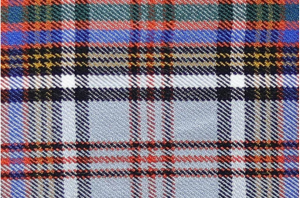
The Anderson Clan Tartan traces its lineage back to ancient Scotland, a time when tartan patterns were more than mere fashion but served as identifiers in the rugged landscapes of the Highlands. Originating from the Gaelic word “clann” which means children or descendants, the Anderson clan has roots that intertwine with the early Scottish kings, sharing a common ancestry that is as colorful and varied as the tartan itself. Over the centuries, the tartan has evolved, reflecting changes in weaving techniques and aesthetic preferences, yet it has always remained a key element of the clan’s visual identity. This evolution speaks to the adaptability and endurance of the Anderson clan, mirroring the history of Scotland itself—from battles and alliances to periods of peace and cultural flourishing.
Symbolic Color Scheme:
Each color in the Anderson Clan Tartan is steeped in symbolic importance, chosen carefully to reflect the values and geography of the clan’s origins. The greens and blues echo the natural palette of the Scottish landscape—vast moors and the rugged coastlines that have been the backdrop of the clan’s history. These colors not only connect the clan to its geographical roots but also to the elemental aspects of water and earth, symbolizing life and growth. The black and red stripes are bold statements of the clan’s resilience and sacrifices made throughout history, often in battles or through clan skirmishes that shaped the political landscape of Scotland. These colors are not randomly selected but are imbued with deep meanings that tell the story of survival, identity, and pride.
No Early Registrations:
While the Anderson Clan Tartan is rich in history and meaning, its formal registration came much later than the tartan itself. This gap in documentation is a window into the informal nature of tartan patterns in early times, when specific designs were passed down through generations orally or through family weavers, rather than recorded in official registers. The lack of early registration highlights a period in Scottish history where tartan designs were fluid and often personalized, adapting to the needs and tastes of families over time. It wasn’t until the romantic revival of all things Scottish in the 19th century, spurred by the royal family’s fascination with the Highlands, that many tartans were formally documented, leading to the standardized patterns we recognize today.
Connection to Saint Andrew:
The Andersons’ derivation from ‘Andrew,’ linking them to Saint Andrew, Scotland’s patron saint, embeds a sacred dimension within the tartan. This connection goes beyond ancestral pride to touch on the spiritual and nationalistic pride of Scotland. Saint Andrew, revered not just in Scotland but globally, symbolizes martyrdom and devotion, qualities deeply respected by the clan. This spiritual connection is celebrated during St. Andrew’s Day, where the Anderson Tartan is worn as a badge of honor and a symbol of allegiance to these broader values. The tartan thus serves as a bridge between personal identity and the collective faith and pride of Scotland, showcasing the clan’s integration into the national fabric.
Variations of the Tartan:
The variations of the Anderson Clan Tartan speak to the dynamic nature of tartan history, where each version serves different social and practical purposes. The dress tartans, often lighter and more vibrant, are used during ceremonial occasions, reflecting the clan’s participation in Scotland’s formal social functions. In contrast, the hunting tartans, with their muted tones, are practical for camouflage during hunting and other outdoor activities, illustrating the clan’s deep connection with the Scottish landscapes. These variations not only demonstrate the versatility of the tartan as a material culture but also underscore the adaptability of the Anderson clan to various aspects of Scottish life, from the ceremonial to the practical.
Global Recognition:
The widespread recognition of the Anderson Clan Tartan globally underscores the diasporic spread of Scottish culture. As Scots emigrated, they took their tartans with them, embedding their heritage in new contexts. In places like North America, the Anderson tartan serves as a cultural connector, linking the Scottish diaspora to their ancestral land. This global presence has facilitated cultural exchanges, where the tartan is not just a symbol of Scottish identity but also an emblem of cultural fusion, adapting and integrating into various global cultures. This recognition has helped maintain the relevance of tartan in the global fashion industry, promoting Scottish heritage on an international stage and fostering a sense of global community among those of Scottish descent.
Use in Modern Apparel:
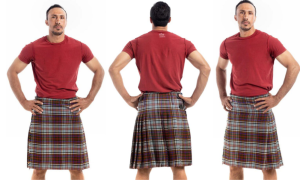
In contemporary fashion, the Anderson Clan Tartan transcends traditional Scottish attire, integrating into global fashion trends. Its incorporation into everyday items like scarves and caps speaks to the tartan’s versatility and enduring appeal. Designers and fashion enthusiasts are drawn to its vibrant patterns and deep cultural roots, utilizing it in ways that honor its heritage while also pushing the boundaries of modern style. This blending of tradition with innovation is a testament to the tartan’s adaptability and its ongoing evolution as a fashion icon. The Anderson tartan is thus seen not only in kilts and traditional Scottish wear but also in haute couture and street fashion around the world, demonstrating its universal appeal and timeless charm.
Cultural Heritage:
The role of the Anderson Clan Tartan in preserving cultural heritage is pivotal. As a repository of clan history and artisanship, the tartan acts as a living museum piece, each thread and color a reminder of the Andersons’ historical journeys and their place within the broader narrative of Scottish history. Cultural institutions and heritage sites often feature the tartan in exhibitions and educational programs, highlighting its significance as part of Scotland’s intangible cultural heritage. These initiatives serve not only to educate the public about the rich history behind the tartan but also to instill a sense of pride and continuity among the younger members of the clan. By engaging with the tartan, they connect with their ancestors’ legacies, ensuring that the clan’s stories and traditions are carried forward into the future.
Association with Clan Gatherings:
Clan gatherings are vibrant expressions of Scottish culture, and the Anderson Clan Tartan plays a central role in these events. These gatherings are not just reunions; they are ceremonial occasions where the tartan is displayed with pride, strengthening the bonds between clan members across generations and geographies. The tartan’s presence at these gatherings reinforces clan identity and fosters a sense of belonging and unity among its members. It acts as a visual symbol of allegiance to the clan and a marker of participation in the collective clan narrative. The gatherings also provide a platform for sharing stories and histories associated with the tartan, enriching the clan’s communal memory and ensuring that the significance of the tartan remains vibrant and relevant.
Wedding Traditions:
Scottish weddings are rich with traditions, and the incorporation of the Anderson Clan Tartan is a significant aspect of these celebrations. By wearing the tartan, the bride and groom connect their union with the heritage of the clan, symbolizing not just a personal commitment but also an allegiance to their family history. The tartan becomes a symbol of continuity, linking past, present, and future generations. It is also a marker of identity and belonging, not just for the couple but for all the clan members who participate in the celebration. This use of the tartan at weddings is a powerful reminder of the enduring connections that bind the clan members together, celebrating their shared history and reaffirming their collective identity.
The Anderson Tartan in Art and Media:
The depiction of the Anderson Clan Tartan in various forms of media and art underscores its symbolic significance and aesthetic appeal. From classic Scottish paintings that capture the rugged beauty of the Highlands to modern films and literature that explore themes of identity and heritage, the tartan is a constant symbol of Scotland’s rich cultural landscape. In art, the tartan often serves as a visual shorthand for Scottishness, a way to immediately connect a scene or character to Scotland. In media, it is frequently used to evoke a sense of place and history, enriching the storytelling with its layers of cultural meaning. The tartan’s visual appeal and symbolic depth make it a favored subject and motif for artists and filmmakers, who use it to convey complex narratives of belonging, struggle, and celebration.
Educational and Cultural Initiatives:
The educational role of the Anderson Clan Tartan is significant in both academic and cultural contexts. Schools, universities, and cultural institutions use the tartan as a tool to explore Scottish history, textiles, and identity politics. Through workshops, lectures, and interactive exhibits, learners of all ages engage with the tartan, understanding its role in the socio-political history of Scotland and its impact on contemporary Scottish identity. These educational initiatives are crucial for the preservation of tartan traditions, ensuring that the knowledge and skills related to tartan weaving and design are passed on to future generations. They also serve to highlight the importance of cultural diversity and heritage conservation in a globalized world.
Affordable Style: Exploring the World of Cheap Kilts
While cheap kilts may not offer the same quality as their more expensive, traditionally made counterparts, they provide an accessible option for those looking to explore Scottish heritage without a significant financial investment. Often manufactured with less expensive materials and mass production techniques, cheap kilts are popular among casual enthusiasts and those new to Scottish attire. They serve well for themed events, casual wear, or as a cost-effective way for newcomers to appreciate kilt-wearing before committing to more substantial, handcrafted pieces. This affordability ensures that anyone can celebrate Scottish culture, regardless of their budget.
Adaptability to Modern Textile Technologies:
The adaptation of the Anderson Clan Tartan to modern textile technologies is a testament to the dynamic nature of this cultural symbol. Advances in weaving technology, dye production, and textile preservation have allowed for higher-quality tartans that remain true to the traditional patterns while ensuring durability and colorfastness. These technological advancements have also made the tartan more accessible to a global audience, enabling mass production without compromising on quality. Moreover, modern technologies have facilitated innovative uses of the tartan in various forms, from digital prints in fashion design to eco-friendly tartan products that meet contemporary environmental standards. This adaptability not only preserves the tartan’s traditional appeal but also ensures its relevance in the modern world.
Symbol of Identity and Pride:
Finally, the Anderson Clan Tartan remains a profound symbol of identity and pride for the Anderson clan. It is more than just a pattern; it is a badge of honor, a piece of heritage, and a collective emblem of the clan’s enduring spirit. Wearing the tartan is a personal and public declaration of one’s roots and a celebration of Scottish culture. At gatherings, in personal attire, and through its presence in public and private spaces, the tartan continuously reaffirms the Anderson clan’s historical and emotional ties to Scotland. It encapsulates the pride of past achievements and aspirations for future generations, ensuring that the clan’s heritage is cherished and carried forward with honor and pride.
Conclusion:
The Anderson Clan Tartan is more than just a distinctive pattern; it’s a woven narrative of history, identity, and cultural pride. Through the exploration of these 15 facts, we’ve seen how deeply the tartan is embedded in the heritage of the Anderson clan and Scottish tradition. Each thread and color carries stories of ancient times, symbolizing the resilience and unity of the clan across centuries. As the tartan continues to adapt to modern trends and technologies, it remains a steadfast symbol of the Anderson clan’s past, present, and future. This vibrant fabric not only adorns traditional Scottish attire but also enhances contemporary fashion, demonstrating its enduring relevance and appeal. The Anderson Clan Tartan stands as a testament to the power of cultural symbols to transcend time, connecting generations and communities around the world.
Frequently Asked Questions (FAQs)
- What is the significance of the colors used in the Anderson Clan Tartan?
– Each color in the Anderson Clan Tartan holds deep symbolic meaning: green represents the lush landscapes of Scotland; blue symbolizes loyalty and perseverance; black denotes strength and resilience; and red signifies the blood and bravery of the clan ancestors.
- Can non-clan members wear the Anderson Clan Tartan?
– While traditionally tartans are associated with specific clans, non-clan members may wear the Anderson Clan Tartan as a gesture of appreciation or admiration for Scottish culture. It is generally acceptable, especially at cultural events or in settings where various tartans are celebrated.
- How should I care for my Anderson Clan Tartan garments to ensure they last?
– Anderson Clan Tartan garments should be cared for with attention to fabric care guidelines. It’s recommended to dry clean tartan wool garments to preserve their colors and fabric integrity. For items that require less frequent cleaning, such as kilts, airing them out and brushing off any dirt can help maintain their condition between professional cleanings.
- Where can I purchase authentic Anderson Clan Tartan items?
– Authentic Anderson Clan Tartan items can be purchased from Scottish heritage shops, online retailers specializing in Scottish attire, and at Highland games or Scottish festivals. For genuine authenticity, look for suppliers who source their fabrics from traditional Scottish weavers.
- How is the Anderson Clan Tartan used in modern fashion?
– Beyond traditional kilts and scarves, the Anderson Clan Tartan has made its way into modern fashion through various items such as trousers, jackets, and accessories. Designers often incorporate the tartan into contemporary designs, blending traditional elements with modern fashion trends to create unique and stylish pieces.
