
Vitamins and minerals are key to good health. They help the body work right, from metabolism to immune response. They also help with tissue repair and growth. Getting them from food or supplements is important for everyone to stay healthy.
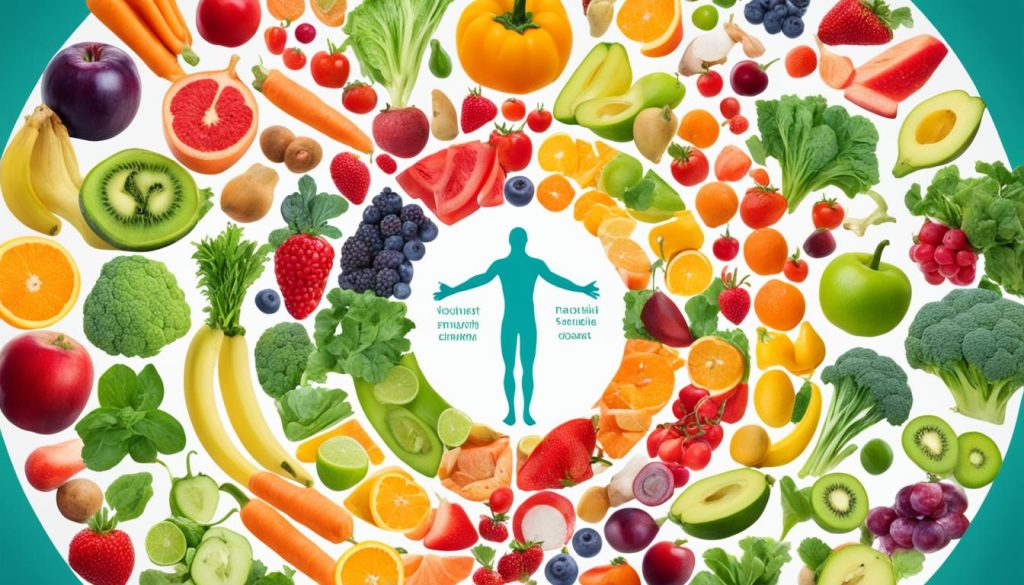
This article will cover why vitamins and minerals are important. We’ll look at what they do and how they help keep the body healthy. You’ll learn how to get these nutrients from food and supplements.
Understanding Vitamins and Their Vital Role
Vitamins are key organic compounds our bodies need in small amounts to work right. They are split into two groups: fat-soluble (A, D, E, and K) and water-soluble (B-complex and C). Each vitamin has a special role in keeping us healthy and feeling good.
What Are Vitamins?
Vitamins are compounds our bodies can’t make enough of on their own. So, we get them from food or supplements. They are sorted by how they dissolve – fat-soluble vitamins are stored in fat, while water-soluble ones are washed out and need to be replaced often.
The Importance of Vitamins for Good Health
Vitamins are key for many body functions, like helping with vision, bone health, immune function, and energy. For instance, vitamin A keeps eyes and skin healthy, vitamin D helps with calcium and bone strength, and vitamin C protects cells from harm.
Getting the right amount of all vitamins and minerals is vital for staying healthy. By knowing what each vitamin does, we can choose better to support our bodies.
Minerals: Tiny but Mighty Nutrients
Minerals are key inorganic compounds that are vital for good health. They are small but powerful, helping with many body functions. These include bone development, nerve function, and keeping fluids balanced.
Important minerals are calcium, iron, zinc, and magnesium. Each one has its own benefits. Calcium keeps bones and teeth strong. Iron helps make red blood cells and carry oxygen. Zinc supports the immune system, and magnesium helps muscles and nerves work right.
Eating a variety of foods rich in minerals is key for staying healthy. Great sources include:
- Leafy greens (spinach, kale, Swiss chard)
- Nuts and seeds (almonds, pumpkin seeds, flaxseeds)
- Whole grains (quinoa, brown rice, oats)
- Legumes (lentils, black beans, chickpeas)
- Fatty fish (salmon, mackerel, sardines)
- Dairy products (milk, yogurt, cheese)
| Mineral | Key Functions | Food Sources |
| Calcium | Bone health, muscle contraction, nerve function | Dairy products, leafy greens, fortified foods |
| Iron | Red blood cell production, oxygen transport | Meat, poultry, seafood, beans, lentils |
| Zinc | Immune function, wound healing, protein synthesis | Meat, poultry, seafood, nuts, seeds |
| Magnesium | Muscle and nerve function, energy production | Whole grains, nuts, seeds, leafy greens |
By eating a diet full of these minerals, people can help keep their bodies healthy and strong.
Balancing Your Intake of Vitamins and Minerals
Getting the right balance of vitamins and minerals is key for good health. Our bodies need these nutrients to work well. Eating a variety of vitamin and mineral-rich foods is the best way to get them.
Food Sources of Essential Vitamins and Minerals
Many vitamin and mineral sources are found in whole foods. You can get these nutrients from fruits, veggies, whole grains, lean meats, and dairy. These foods are packed with the nutrients your body needs.
- Leafy greens, such as spinach and kale, are rich in vitamins A, C, and K, as well as minerals like iron and calcium.
- Citrus fruits, like oranges and lemons, are high in vitamin C, which supports immune function and skin health.
- Whole grains, including quinoa and brown rice, offer B vitamins, magnesium, and fiber.
- Fatty fish, such as salmon and tuna, are abundant in vitamin D and omega-3 fatty acids.
- Dairy products, like yogurt and cheese, are excellent sources of calcium and vitamin D for strong bones.
Supplements: When and How to Use Them
Sometimes, dietary supplements are needed to fill vitamin and mineral deficiencies. But, it’s important to talk to a healthcare professional before starting supplements. This ensures they are safe and work well for you.
| Nutrient | Potential Supplement Need |
| Vitamin D | For individuals with limited sun exposure or certain medical conditions |
| Iron | For those with iron-deficiency anemia or increased needs, such as during pregnancy |
| Omega-3s | For those who do not consume enough fatty fish in their diet |
By eating a balanced diet rich in vitamins and minerals and getting advice from a healthcare professional, you can meet your body’s needs. This helps you stay healthy and feel good. Vitamins and minerals are key to a healthy life. They play important roles and offer many benefits, whether obtained from whole foods or supplements like SFI health supplements.
Conclusion
Vitamins and minerals are key to a healthy life. They play important roles and offer many benefits. By knowing this, people can add these nutrients to their daily meals.
Understanding the role of vitamins and minerals helps us take charge of our health. We can get them from whole foods or supplements if needed. The goal is to find a balance that keeps our bodies and minds strong.
As we work towards a healthy life, let’s not forget how big an impact vitamins and minerals have. They help our bodies and minds stay healthy. By using the power of these nutrients, we can live our best lives.
