
Documentation is crucial in holistic health treatment as it provides a clear record of a client’s journey through therapy. Among other reasons, progress notes serve to track the effectiveness of treatment plans, allowing continuity of care by objectively informing current and future caregivers what has worked, and not, in the past, and serve to maintain accurate histories of a patient.
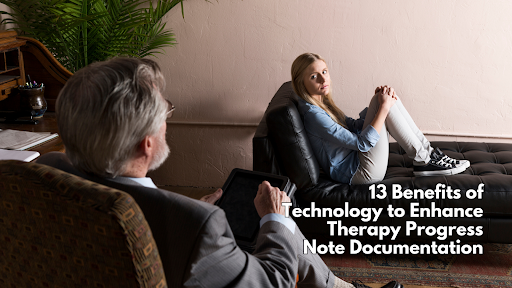
Technological advancement has now made it possible for therapists to significantly improve processes in documentation, hence making it much easier to manage and use these records effectively. Here are 13 benefits that technology provides in documenting progress notes for therapy.
Importance of Progress Documentation
Progress documentation is important for various reasons, from monitoring patient progress to maintaining legal and ethical compliance. Knowing how to write therapy progress notes effectively is a skill that therapists must master, and technology can play a pivotal role in this learning process. Digital tools help therapists follow standardized formats for progress notes, enabling them to capture information accurately and efficiently.
Technology in Holistic Healthcare
Technology continues to advance healthcare, particularly in holistic healthcare. The treatment model used to address patient conditions has significantly evolved. This is demonstrated by practitioners’ ability to use digital tools and advanced software, which are crucial for providing a comprehensive and tailored treatment plan.
Electronic Health Records
For instance, electronic health record systems provide holistic practitioners with an organized system of integrated patient records, tracking progress, and facilitating coordination among different care providers. Interconnected practice ensures that all issues concerning a patient’s health, from physical to mental and emotional, are effectively addressed.
Patient Communication Tools
Importantly, technology facilitates patient engagement, a key component of holistic health. Using patient portals, mobile applications, and telehealth services gives patients greater access to their health information and involvement in their care.
These tools open up the lines of communication between patients and providers, creating a collaborative environment, and making the patient feel empowered and informed about the journey to good health. Technology in holistic healthcare not only improves quality but also makes it more inclusive and supportive, enhancing the patient experience. Below are more benefits explained:
1. Improved Accuracy
Technology increases accuracy in taking therapy progress notes. Electronic Health Records (EHR) with templates, especially therapists, provide structured formats that help prevent errors. By dint of automatic spell-checking and grammar correction techniques, the final document is ensured to be clear and well-drafted.
2. Enhanced Efficiency
Digital tools give therapists the opportunity to spend much more time with their patients rather than doing paperwork. Automated features, such as dropdown menus for common treatments and symptoms, reduce the time required to complete progress notes.
3. Better Organization
Technology also helps keep therapy progress notes in order. Digital records can easily be categorized, sorted, and retrieved. This kind of organization makes it easier for a therapist to quickly refer to past notes, and through this, keep track of a patient’s progress over time.
4. Secure Storage
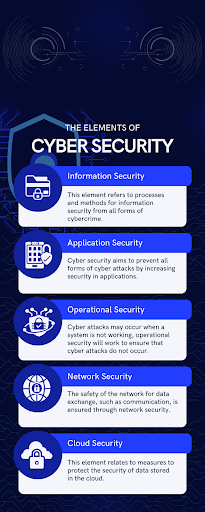
Electronic documentation provides a secure way to store patient-related sensitive information. Through state-of-the-art encryption and access procedures, it is guaranteed to hold data with utmost protection from access and breach by unauthorized access to this data. Providing such security is essential for maintaining patient confidence and complying with privacy regulations.
5. Accessibility
Digital records can be accessed from any location with an available internet connection. Access such as this significantly makes tasks easier when a therapist needs to review notes while not within the four walls of the office or when there is a need for collaborative healthcare treatments with other professionals. There are mobile apps and cloud-based systems for easy updates and easy retrieval of a record while on the go.
6. Enhanced Collaboration
Technology enables greater collaboration among providers, in which digital documentation allows therapists to share such progress notes with the rest of the contributors to a patient’s care for full details of coordinated and comprehensive care. That way, consistent treatment outcomes will be achieved with improved patient satisfaction at the center.
7. Customizable Templates
Therapists can use customizable templates to standardize their documentation process. These templates ensure consistency in the capturing of all key information for every patient record. Customizable options enable therapists to individualize notes for specific treatment modalities and/or needs of a particular patient.
8. Real-Time Updates
Digital documentation allows for real-time updating, so progress notes are kept current at all times. Recording session details right away, changes in treatment and patient offerings also leads to an accurate and up-to-date patient history.
9. Increased Compliance
Technology is applied for documentation, thus helping therapists to act per legal and ethical standards. Features, that are quite common, across the board in digital systems, include those, that are referred to as mandatory fields thereby requiring certain important pieces of information, and those that may show alerts for incomplete notes so as to ensure minimum healthcare regulatory adherence. This minimizes the risk of litigation and assures high clinical standards.
10. Analytical Tools
Most of the digital documentation systems come integrated with analytical tools that enable tracking the set trends and outcomes both within their patient population and the greater patient population. Such tools facilitate the giving of treatment insights and the means of their implications to support those therapists in making data-driven decisions to improve the patient’s care.
11. Integration with Other Systems
Most digital documentation systems can be integrated into many other health care systems, like billing and appointment scheduling software, which in turn eases most administrative tasks and guarantees that every aspect of patient care is fully coordinated and effective.
12. Environmental Benefits
Going digital reduces the need for paper, contributing to environmental sustainability. Electronic documentation eliminates the clutter of physical files and the resources required to manage and store them. This shift benefits the environment and creates a more organized and professional workspace.
13. Patient Engagement
Technology in health care could enable patients’ health activities by providing access to their progress notes and treatment plans. Patients could access their therapy records to monitor changes and communicate with their therapists through patient portals and mobile apps. Transparency and engagement on such levels could increase treatment plan adherence and increase practice success.
Frequently Asked Questions
How does technology further accuracy in therapy progress notes?
Technology improves the accuracy of the notes through structured templates with automatic spell and grammar correction, among other features, applied in the development of the progress notes for therapy.
Are digital documentation systems compliant with health regulations associated with healthcare?
Yes, digital systems have features to ensure compliance with healthcare regulations, including mandatory fields for required information, alerts for missing notes, and encryption to protect patient confidentiality.
How can technology help to enhance collaboration among healthcare providers?
Technology enhances collaboration among healthcare providers by making digital progress notes and patient records easily shareable. Besides, access by all ensures coordinated and comprehensive care, likely to improve the treatment outcomes and satisfaction levels of patients.
Conclusion
Technology has taken the methods of documenting therapy progress notes to a totally new level with various advantages to its accuracy, efficiency, and effectiveness in performing this very important part of health care services.
From improving accuracy and offering safe storage to increasing the level of collaboration and patient engagement, the digital tools that make these things possible will empower therapists to offer excellent care. As health care continually adapts, embracing these technological changes allows therapists to continue providing top-rate documentation and care for patients.
