
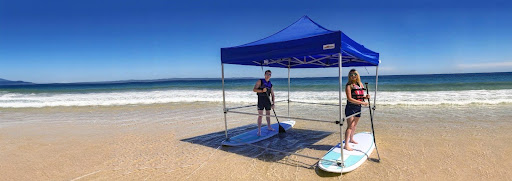
When it comes to outdoor events, the last thing you want is to spend hours setting up. That’s where the velocity tent swoops in to save the day. Known for its speed and simplicity, the velocity tent has become a favorite among event coordinators, vendors, and casual users. Whether you’re hosting a corporate event with a commercial pop up canopy or a small backyard party with a custom canopy tent 10×10, learning to set up quickly can drastically improve your event’s efficiency. Let’s dive into a step-by-step guide to erecting your velocity tent in mere minutes, ensuring you spend less time in setup and more time enjoying your event.
Step 1: Preparation and Placement
Before you even unpack your velocity tent, choosing the right location is crucial. For a commercial pop up canopy, you want a flat spot that is clear of debris or obstructions. This ensures stability and safety. Additionally, positioning is critical, considering the flow of traffic and the purpose of your tent—whether it’s for showcasing products, providing information, or simply offering shade.
- Clear the area: Ensure the ground is clear of rocks, branches, and uneven spots.
- Plan for wind and sun: Depending on the weather, you might want to position your custom pop up tents to take advantage of natural wind barriers or optimal sun shading.
Step 2: Unpacking and Initial Setup
Unpack your velocity tent carefully. Most velocity tents and custom pop up tents are designed for easy transport, folding into a compact package that one or two people can easily manage.
- Lay out all parts: Ensure all parts are accounted for, including the frame, canopy, and any sidewalls or additional accessories.
- Expand the frame slightly: Lift it out of the case and gently pull it apart just enough so it stands independently without fully extending.
Step 3: Raising the Frame
This step often requires at least two people, especially when dealing with a more significant commercial pop up canopy. Position yourselves on opposite sides of the frame and lift from the corners. Walk backward in tandem, allowing the frame to expand.
- Do not fully extend yet: Keep the frame at a manageable height to facilitate the next step, which involves attaching the canopy.
Step 4: Attaching the Canopy
With the frame partially extended, it’s time to drape the canopy over the structure. Depending on the custom features, a custom canopy tent 10×10 can vary slightly in terms of fittings and attachments.
- Align the corners: Make sure the canopy’s corners match the frame. Attach any hooks, Velcro, or tie-downs in your canopy design.
- Secure the center: Many velocity tents have a central attachment point that helps pull the canopy taut and secure it firmly to the frame.
Step 5: Fully Extend and Secure the Frame
You can fully extend the frame once the canopy is attached and correctly aligned. This will require going around to each leg of the velocity tent and locking them into place. Many models feature easy-to-use push buttons that click to indicate the leg is securely extended.
- Check for tautness: Ensure the canopy is snug and smooth without any sagging parts. Adjust if necessary before entirely securing.
Step 6: Final Adjustments and Anchoring
Now that your velocity tent is up, it’s time to make final adjustments. This includes tightening any straps and ensuring that all parts are securely fastened.
- Anchor your tent: Depending on the surface, use stakes for soft ground or weights for hard surfaces. This is crucial for the stability of your custom pop up tents, especially in windy conditions.
Step 7: Add Accessories
If your setup includes additional accessories like sidewalls, banners, or lights, it is time to attach them. Sidewalls can offer additional shelter and security for commercial pop up canopies, while banners and lights can enhance the visibility and ambiance of your custom canopy tent 10×10.
Conclusion
Setting up a velocity tent can be simple. With the proper preparation and understanding of your equipment, you can have your commercial pop-up canopy or custom pop-up tent ready in minutes, allowing you to focus more on the actual event and less on the setup. Remember, the key to a successful tent setup is as much preparation as execution. By following these steps, you’ll save time and ensure that your tent is a safe, stable, and welcoming space for all your event needs.
