
There should be an equilibrium in which work and life coexist so that professional success and personal well-being find a place. This balance is necessary to ensure proper mental health and general well-being.

For that, an integration of effective techniques that manage both needs is now crucial as work pressures escalate and personal responsibility expands. It handles practical ways of harmonizing work-life balance with mental health and gives you some tips for improved productivity without breaking the peace of mind.
Work and Mental Wellness
Workplaces in California are often very fast, with a high cost of living, leading to tremendous mental wellness adversity among workers. The state’s industries are driven by technology, entertainment, and finance, therefore presenting a competitive job market.
Many workers, due to demanding job expectations and long working hours, struggle to balance work-life issues. Symptoms can affect negatively in the mental state, including those caused by anxiety, depression, and burnout in general.
California boasts availability of numerous resources and support systems for all the challenges related to the same. Several rehabs in california provide comprehensive treatment and support for people who suffer from severe mental health or substance abuse. These facilities provide specialized programs aimed at helping an individual handle their mental health and recovery, thereby being accorded enough care to balance their lives.
Set Clear Boundaries
Setting good boundaries between professional and personal hours is first among many in the steps taken toward summing up work-life balance with mental health. It prevents burnout and reduces stress by protecting personal time.
- Set Work Hours: Define when you would start and end to perform your work daily and stick to the schedule. Discuss the boundaries with colleagues and supervisors to manage expectations.
- Create a Workspace: Have a dedicated space for the performance of work to be able to distinguish work activities from those at home. This forms a physical boundary reinforcing the separation between work and personal time.
- Set Limits on After Hours Communication: Avoid checking office emails or returning phone calls outside the hours that you have set aside for work to prevent work-related worry from spilling over into your personal life.
With these boundaries in place, you can establish a routine that equally prioritizes both your work and personal well-being.
Effective Time Management
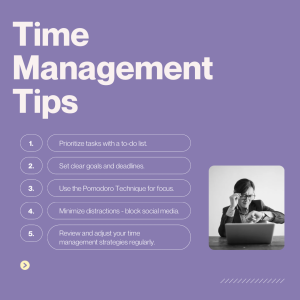
Balancing work and personal life, effective time management, maintains mental health. Organizing your time helps reduce stress, meet deadlines, and still allows for relaxation and personal activities.
Effective time management strategies include:
- Prioritize Tasks: Arrange the list of your tasks or use task management apps based on the urgency and importance of the work. Attend high-priority tasks first.
- Set Realistic Goals: Break down big projects into small, achievable tasks; set realistic goals in the effort to avoid being overwhelmed. This will help you stay motivated, accomplishing small milestone markers along your journey.
- Schedule Downtime: give yourself time for relaxation, hobbies, and social function. Scheduling downtime and leisure tasks will give you enough space to recharge and not to experience burnout.
Building and supporting relationships can go a long way toward maintaining your mental health and work-life balance in the workplace. This is essential for job satisfaction and reducing stress in the workplace.
Prioritize Self-Care and Wellness
Self-care is as important as ever to ensure the maintenance of mental health, meet the demands of work, and cope with life. Prioritizing self-care helps you stay resilient and reduces stress, contributing to your overall well-being.
Key self-care practices include:
- Regular Exercise: Engage in physical activities that you enjoy, such as walking, yoga, or cycling. Exercise helps reduce stress, improve mood, and increase energy levels.
- Healthy Eating: Observe a balanced and healthy diet with all the necessary nutrients, which support not only physical but also mental health. Try to avoid overconsuming caffeine and processed foods, which might compromise mood and energy levels.
- Sleep: Strive for good quality sleep regularly. In most cases, that means 7-9 hours of sleep at night. This helps reinforce mental clarity and overall health. Work toward a consistent schedule for sleep and a routine that will prepare both of you to rest.
Doing these self-care practices each day ensures that you have the energy and the clear state of mind to deal effectively with all work and personal issues.
Ways to Initiate Work Relationships
- Approach for open communication: Say whatever you need or the problems you are facing to your colleagues or supervisors. Expressing your concerns can lead to practical solutions and additional support.
- Seek Mentorship: Looking for a mentor or advisor who could guide, support, and advise on the best practices to manage work-related stress and career growth
- Build A Support Network: Develop supportive relationships with co-workers. These could include coworker encouragement, coworker sharing of experience, and the coworker emotional support during demanding work times.
Supportive relationships foster job satisfaction. Such relationships would create a more affirmative and balanced work environment, which is very important for mental health.
Leverage Flexible Work Arrangements
Flexible work arrangements will bring work-life balance by very doing so, eases in the control of day to day work schedule according to the needs of an individual and the many responsibilities surrounding them. With growing concern for employee well-being, many organizations now offer flexibility in various ways.
Types of flexible work arrangements include:
- Remote Work: Working from home or other remote work locations. When telecommuting, the time spent on commuting every day is saved, and one enjoys a more convenient and customized area to work in.
- Flexible Hours: By rearranging work hours to deal with personal issues, like family obligations or medical appointments, you can manage working output efficiently.
- Compressed Workweeks: By working for a long duration during fewer workdays, you can take off for an extended schedule to get more personal time to balance work and personal life.
You can identify flexible work arrangements so you can integrate work with personal life for better maintenance of mental health and well-being.
Stress Management Techniques
The management of stress is important for good mental health and the establishment of work-life balance. Techniques for stress management will enable one to deal better with work pressures and personal issues.
Some of the effective techniques of managing stress include:
- Mindfulness and Meditation: One should practice some mindfulness techniques or meditation that enhances a reduction in stress and an increase in focus and control of moods.
- Deep Breathing Exercises: These help to ensure that the mind and body remain calm, more so during critical moments.
- Hobbies and Leisure Activities: Engage in activities that bring pleasure and help you relax, such as music, gardening, or creative pursuits.
Engaging in all these stress management activities will help you deal with the challenges of life more effectively and protect your mental well-being.
Seeking Professional Support
Understanding the time it may be necessary for one to call in professional support is key to maintaining a healthy state of mind and creating balance. If you are caught up in continued stress, anxiety, or other mental health-related challenges, seeking the accounting, guidance, and support of a mental health professional will be of so much value to you.
Professional support can be accessed through the following means:
- Counseling and Therapy: Counselors and therapists work with individuals to offer them support and coping mechanisms for reducing stress and improving their mental condition.
- Employee Assistance Programs (EAPs): Many employers have these programs in place, which offer confidential counseling and support to employees who are struggling with problems at home or in the workplace.
- Support Groups: Identifying with others through support groups or communities helps one not to feel alone and normalizes the problems experienced in one’s life, which in turn helps in guiding one on how to cope with problems.
Seeking help from the right sources ensures you have the resources and support necessary to maintain mental health and work-life balance.
Conclusion
People have to establish clear boundaries, engage in self-care practices, and proper time management between work and home in the integration of work-life balance and mental health management. It will be in a way that you are able to inculcate supportive work relationships, flexible work arrangements, and stress management techniques on your life in as much as attaining professional success while at the same time creating personal satisfaction is concerned.
Receiving adequate professional support for mental health is essential for a fully integrated approach to health and work-life balance. Embracing such strategies will consequently give this integration a much more satisfactory and harmonic outcome.
FAQs
In what way can setting boundaries at work impact work–life balance?
It creates a barrier between work and personal life, reducing the levels of stress and avoiding burnout. It ensures that the work responsibility should not work during personal time.
What are effective time management techniques in balancing work and personal life?
Prioritizing, goal setting and scheduling are effective to managing time and balance work and personal time.
Why should self-care be a component of overall mental health?
Good self-care requires proper exercise, diet, and sleep in order to manage stress, lift your mood, and maintain good mental health in general.
