
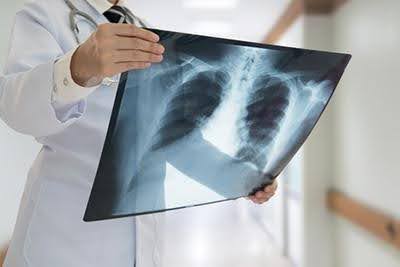
If you’ve ever broken a bone or needed chest imaging, chances are you’ve had x-rays taken. X-rays are a form of electromagnetic radiation used to see inside the body. This article will explore what makes x-ray services like PRP Imaging so useful for medical diagnosis and treatment. No doctorate required to learn these x-ray basics.
How X-rays Work
X-rays are a high frequency type of radiation. They have very short wavelengths, allowing them to pass through soft body tissue. However, x-rays don’t pass as easily through denser things like bones.
When aimed at the body, x-rays travel through soft tissue but then get absorbed or stopped by the hard bone. This variance creates contrasting images on the x-ray detector.
Doctors can then interpret the shadowy x-ray images. Areas where more x-rays were absorbed, like by bone, show up darker. Softer tissues absorb less, appearing lighter. This reveals otherwise invisible internal structures.
Major Uses of X-rays
What are x-rays good for spotting? Here are some of their most common diagnostic applications:
Broken bones – X-rays excel at detecting fractures in bones. The cracks and breaks show up clearly.
Dental issues – X-raying teeth helps find cavities, infections, and other problems.
Chest imaging – X-rays of the chest can uncover pneumonia, heart conditions, cancer, and more.
Mammograms – Low dose x-rays screen for early signs of breast cancer.
Osteoporosis – X-rays gauge bone mineral density to measure this weakening disease.
Arthritis – X-ray joint imaging assists in diagnosing various arthritis types.
Benefits of X-Rays
What makes x-rays so valuable in medicine? Here are some key advantages:
Painless and non-invasive
- Quick – imaging only takes seconds
- Low cost compared to other scanning methods
- Wide availability in doctors’ offices and clinics
- Can survey large areas of the body rapidly
- No radiation remaining in body post-imaging
X-rays provide doctors an invaluable peek into the structures inside you.
Risks of X-Rays
While x-rays are generally safe when used with care, some risks do exist:
Overexposure can damage tissue and increase cancer likelihood
Not recommended for pregnant women due to fetal effects
Contrast material allergies occur in some patients
Doctors minimize risks by limiting exposure and only ordering x-rays when truly needed for diagnosis. Still, patients should discuss concerns with their physician.
The Impact of X-Rays in Medicine
It’s hard to overstate how much x-rays have improved medical care. Finding problems earlier makes treatments more effective. X-ray technology saves lives every day across the globe.
X-rays revolutionized medicine in the early 20th century and remain integral today. They continue improving in safety and precision through technological advances. We can only guess what new diagnostic power the future holds as x-ray science progresses.
The Power of X-rays for Medical Imaging
So in summary, x-rays provided doctors an unprecedented view into our boney anatomy over a century ago – and they continue illuminating health mysteries to this day. Their unique ability to capture hard and soft tissue contrast non-invasively makes x-rays a safe, cost-effective, and accessible diagnosis tool. Next time you or a loved one needs imaging, you can feel confident in the value x-rays bring to healthcare.
