
Get 20% off today

Call Anytime

+447365582414

Send Email

Message Us

Our Hours

Mon - Fri: 08AM-6PM

Various modalities have emerged in the ever-evolving landscape of physical therapy and pain management to provide practical, non-invasive treatments. Among these is Interferential Therapy, commonly referred to as Inf Therapy, a technique that has gained widespread recognition for its ability to manage pain, reduce inflammation, and promote healing. This article will introduce you to Inf Therapy, exploring its uses, advantages, and why it has become a popular choice in modern healthcare.

What is Interferential Therapy (Inf Therapy)?

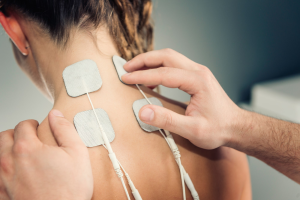
Interferential or Inf Therapy is an electrical stimulation therapy used primarily in physical therapy and rehabilitation settings. It involves applying electrical currents to the affected areas of the body through electrodes placed on the skin. These currents intersect within the body, creating a low-frequency stimulation that penetrates deeper into the tissues than other forms of electrical stimulation, such as TENS (Transcutaneous Electrical Nerve Stimulation).

The primary goal of inf therapy is to reduce pain and inflammation while promoting healing in injured or inflamed tissues. The therapy is particularly effective for conditions involving deep tissue or joint issues, as the interference currents can reach areas other therapies may not effectively target.

How Does Interferential Therapy Work?

Interferential Therapy operates on the principle of using two slightly different medium-frequency electrical currents, which are introduced into the body through electrodes. When these currents intersect within the tissue, they produce an interference pattern that results in a low-frequency current. This low-frequency stimulation is believed to penetrate deeper into the body, providing therapeutic effects where needed.

The low-frequency current generated by the interference is particularly effective at stimulating the nerves and muscles, which can lead to several therapeutic outcomes, including:

Inf Therapy is highly effective in managing both acute and chronic pain. The electrical currents can help block the transmission of pain signals to the brain by stimulating the release of endorphins, the body’s natural painkillers. This makes it a valuable tool for individuals with arthritis, sciatica, and post-surgical pain.

Inflammation is a common cause of pain and discomfort, particularly in conditions like tendonitis, bursitis, and other musculoskeletal disorders. Inf Therapy helps to reduce inflammation by increasing blood flow to the affected area, promoting the removal of inflammatory substances, and accelerating the healing process.

Inf Therapy can stimulate muscles, particularly in patients who have experienced muscle atrophy due to injury or surgery. Electrical stimulation helps maintain muscle tone and prevent further deterioration, which is crucial in rehabilitation.

The increased blood flow resulting from Inf Therapy can also improve circulation, essential for healing. Better circulation means more oxygen and nutrients are delivered to the tissues, and waste products are removed more efficiently, aiding in faster recovery.

Common Uses of Inf Therapy

Inf Therapy is a versatile treatment modality with a wide range of applications. Some of the most common uses include:

Chronic pain conditions, such as back pain, neck pain, and osteoarthritis, are often managed with Inf Therapy. The deep penetration of the currents effectively reaches the deeper tissues and provides long-lasting pain relief.

After surgery, particularly orthopedic surgeries, patients often experience significant pain and inflammation. Inf Therapy can manage these symptoms, allowing patients to participate more fully in their rehabilitation exercises and promoting a quicker return to regular activity.

Athletes frequently use Inf Therapy to treat sprains, strains, and tendonitis. The therapy helps to reduce pain and swelling, enabling athletes to recover faster and return to their sport more quickly.

Inf Therapy can also benefit patients with neurological conditions, such as sciatica or neuropathy. The therapy helps to alleviate nerve pain and improve muscle function, which can be particularly challenging in these conditions.

For individuals who have arthritis or joint pain, Inf Therapy offers a non-invasive way to manage symptoms. The therapy’s ability to reduce inflammation and improve joint mobility makes it popular among patients with degenerative joint conditions.

Conclusion

Interferential Therapy (Inf Therapy) from BioMedical Life Systems  is a powerful physical therapy and pain management tool. Its ability to provide deep, targeted treatment makes it particularly effective for managing pain, reducing inflammation, and promoting healing in various conditions. With its non-invasive nature and minimal side effects, Inf Therapy is an excellent option for patients seeking relief from chronic pain, post-surgical discomfort, and sports injuries. As technology advances, the role of Inf Therapy in healthcare is likely to expand, offering even more opportunities for effective treatment and improved patient outcomes.

news-1701

sabung ayam online

yakinjp

yakinjp

rtp yakinjp

slot thailand

yakinjp

yakinjp

yakin jp

yakinjp id

maujp

maujp

maujp

maujp

sabung ayam online

sabung ayam online

judi bola online

sabung ayam online

judi bola online

slot mahjong ways

slot mahjong

sabung ayam online

judi bola

live casino

sabung ayam online

judi bola

live casino

SGP Pools

slot mahjong

sabung ayam online

slot mahjong

SLOT THAILAND

berita 128000696

berita 128000697

berita 128000698

berita 128000699

berita 128000700

berita 128000701

berita 128000702

berita 128000703

berita 128000704

berita 128000705

berita 128000706

berita 128000707

berita 128000708

berita 128000709

berita 128000710

berita 128000711

berita 128000712

berita 128000713

berita 128000714

berita 128000715

berita 128000716

berita 128000717

berita 128000718

berita 128000719

berita 128000720

berita 128000721

berita 128000722

berita 128000723

berita 128000724

berita 128000725

artikel-128000751

artikel-128000752

artikel-128000753

artikel-128000754

artikel-128000755

artikel-128000756

artikel-128000757

artikel-128000758

artikel-128000759

artikel-128000760

artikel-128000761

artikel-128000762

artikel-128000763

artikel-128000764

artikel-128000765

artikel-128000766

artikel-128000767

artikel-128000768

artikel-128000769

artikel-128000770

artikel-128000771

artikel-128000772

artikel-128000773

artikel-128000774

artikel-128000775

artikel-128000776

artikel-128000777

artikel-128000778

artikel-128000779

artikel-128000780

artikel-128000781

artikel-128000782

artikel-128000783

artikel-128000784

artikel-128000785

artikel-128000786

artikel-128000787

artikel-128000788

artikel-128000789

artikel-128000790

artikel 128000791

artikel 128000792

artikel 128000793

artikel 128000794

artikel 128000795

artikel 128000796

artikel 128000797

artikel 128000798

artikel 128000799

artikel 128000800

artikel 128000801

artikel 128000802

artikel 128000803

artikel 128000804

artikel 128000805

artikel 128000806

artikel 128000807

artikel 128000808

artikel 128000809

artikel 128000810

artikel 128000811

artikel 128000812

artikel 128000813

artikel 128000814

artikel 128000815

artikel 128000816

artikel 128000817

artikel 128000818

artikel 128000819

artikel 128000820

article 138000716

article 138000717

article 138000718

article 138000719

article 138000720

article 138000721

article 138000722

article 138000723

article 138000724

article 138000725

article 138000726

article 138000727

article 138000728

article 138000729

article 138000730

article 138000731

article 138000732

article 138000733

article 138000734

article 138000735

article 138000736

article 138000737

article 138000738

article 138000739

article 138000740

article 138000741

article 138000742

article 138000743

article 138000744

article 138000745

article 138000746

article 138000747

article 138000748

article 138000749

article 138000750

article 138000751

article 138000752

article 138000753

article 138000754

article 138000755

article 138000756

article 138000757

article 138000758

article 138000759

article 138000760

article 138000761

article 138000762

article 138000763

article 138000764

article 138000765

article 138000766

article 138000767

article 138000768

article 138000769

article 138000770

article 138000771

article 138000772

article 138000773

article 138000774

article 138000775

article 138000776

article 138000777

article 138000778

article 138000779

article 138000780

article 138000781

article 138000782

article 138000783

article 138000784

article 138000785

article 138000716

article 138000717

article 138000718

article 138000719

article 138000720

article 138000721

article 138000722

article 138000723

article 138000724

article 138000725

article 138000726

article 138000727

article 138000728

article 138000729

article 138000730

article 138000731

article 138000732

article 138000733

article 138000734

article 138000735

article 138000736

article 138000737

article 138000738

article 138000739

article 138000740

article 138000741

article 138000742

article 138000743

article 138000744

article 138000745

article 228000341

article 228000342

article 228000343

article 228000344

article 228000345

article 228000346

article 228000347

article 228000348

article 228000349

article 228000350

article 228000351

article 228000352

article 228000353

article 228000354

article 228000355

article 228000356

article 228000357

article 228000358

article 228000359

article 228000360

article 228000361

article 228000362

article 228000363

article 228000364

article 228000365

article 228000366

article 228000367

article 228000368

article 228000369

article 228000370

article 228000371

article 228000372

article 228000373

article 228000374

article 228000375

article 238000411

article 238000412

article 238000413

article 238000414

article 238000415

article 238000416

article 238000417

article 238000418

article 238000419

article 238000420

article 238000421

article 238000422

article 238000423

article 238000424

article 238000425

article 238000426

article 238000427

article 238000428

article 238000429

article 238000430

article 238000431

article 238000432

article 238000433

article 238000434

article 238000435

article 238000436

article 238000437

article 238000438

article 238000439

article 238000440

article 238000441

article 238000442

article 238000443

article 238000444

article 238000445

article 238000446

article 238000447

article 238000448

article 238000449

article 238000450

article 238000451

article 238000452

article 238000453

article 238000454

article 238000455

article 238000456

article 238000457

article 238000458

article 238000459

article 238000460

article 238000461

article 238000462

article 238000463

article 238000464

article 238000465

article 238000466

article 238000467

article 238000468

article 238000469

article 238000470

article 238000471

article 238000472

article 238000473

article 238000474

article 238000475

article 238000476

article 238000477

article 238000478

article 238000479

article 238000480

article 238000481

article 238000482

article 238000483

article 238000484

article 238000485

article 238000486

article 238000487

article 238000488

article 238000489

article 238000490

sumbar-238000381

sumbar-238000382

sumbar-238000383

sumbar-238000384

sumbar-238000385

sumbar-238000386

sumbar-238000387

sumbar-238000388

sumbar-238000389

sumbar-238000390

sumbar-238000391

sumbar-238000392

sumbar-238000393

sumbar-238000394

sumbar-238000395

sumbar-238000396

sumbar-238000397

sumbar-238000398

sumbar-238000399

sumbar-238000400

sumbar-238000401

sumbar-238000402

sumbar-238000403

sumbar-238000404

sumbar-238000405

sumbar-238000406

sumbar-238000407

sumbar-238000408

sumbar-238000409

sumbar-238000410

news-1701