
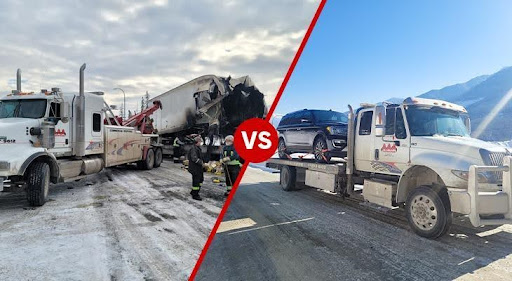
Whether it’s a minor fender bender or a serious collision, one thing is certain—someone has to safely and quickly remove the damaged vehicles. That’s where recovery towing steps in.
Unlike standard towing, accident recovery involves complex situations: twisted metal, blocked lanes, overturned vehicles, and hazardous conditions. While most people only see the tow truck arrive, there’s a lot more happening behind the scenes.
In this article, we’ll give you a behind-the-scenes look at how recovery tow trucks operate after an accident, the steps the crew follows, and why trusting professionals matters when the unexpected happens on the road.
What Is Recovery Towing, Exactly?
Recovery towing refers to the specialized process of retrieving and transporting damaged, immobile, or hazardous vehicles from accident scenes. These jobs usually involve vehicles that are:
- Crashed
- Overturned
- Stuck off-road
- Blocking traffic
- Leaking fluids or damaged structurally
A typical emergency towing service may not be enough when safety hazards, vehicle entanglement, or debris are involved. That’s where a recovery tow truck—equipped with winches, rigging gear, and flat decks—steps in.
Step 1: Receiving The Dispatch Call
When an accident occurs, the call often comes from law enforcement, a roadside assistance dispatcher, or the drivers themselves. Once the report is received, a Calgary towing service provider will assess the situation and dispatch the right vehicle based on:
- Number of vehicles involved
- Severity of the damage
- Road conditions
- Vehicle size and type (passenger car, SUV, truck, etc.)
Many companies run 24/7 recovery services because collisions don’t follow a schedule—and response time is critical to ensure safety and traffic flow.
Step 2: Arriving On Scene Safely
Once on-site, the recovery team’s priority is safety—for themselves, the public, and the drivers involved.
They assess:
- Are there fluid leaks, smoke, or fire risk?
- Is the vehicle stable or at risk of rolling?
- Is traffic flow compromised?
- Can the area be secured?
Tow operators often set up warning lights, cones, or barricades to make the scene safe for everyone involved, especially in high-traffic or low-visibility areas.
Step 3: Coordinating With First Responders
Accidents often involve police, firefighters, or EMS. In these situations, recovery crews work closely with them to avoid interfering with investigations, medical care, or clean-up protocols.
In some cases, law enforcement may require the scene to be photographed or documented before any vehicle is moved. Tow truck operators must be patient, respectful, and alert to protocol at all times.
Step 4: The Recovery Process Begins
Depending on the nature of the accident, this stage can get complex. Here’s what the crew might deal with:
Winching Out A Vehicle
If a car has rolled into a ditch, embankment, or off-road area, winching is required to pull it back onto stable ground before it can be towed.
Lifting A Wrecked Vehicle
For heavily damaged or overturned vehicles, a recovery tow truck with a hydraulic boom or rotator may be used to lift the car safely without causing further damage.
Removing Debris
Before towing begins, the area must be cleared of broken glass, bumpers, and fluids to keep the roadway safe for other drivers.
Loading Onto A Flatbed
Once the vehicle is upright and safe to transport, it’s loaded onto a flat-deck tow truck for secure transportation to a body shop, impound lot, or designated location.
Step 5: Transport And Drop-Off
After the vehicle is secured, the driver confirms its destination. If the driver is injured or not present, instructions may come from law enforcement, insurance companies, or family members.
Recovery drivers are trained to handle:
- Insurance paperwork
- Police reports
- Secure transport of personal belongings
- Drop-off at body shops, storage lots, or scrapyards
They also take photos and document the condition of the vehicle at every stage for insurance or legal purposes.
Step 6: Clean-Up Crew Support
In larger collisions involving multiple vehicles or hazardous spills, a clean-up crew may be deployed. These teams:
- Remove vehicle debris
- Apply absorbents to clean up fuel, oil, or coolant leaks
- Restore road safety as quickly as possible
Expert towing companies offer integrated clean-up and recovery packages to ensure full restoration of the scene.
Why Professional Recovery Towing Matters
Accident scenes are unpredictable. That’s why experience, training, and the right equipment make a huge difference.
Prevent Further Damage
Professionals use the right techniques to avoid making vehicle damage worse during recovery.
Ensure Public Safety
Quick, efficient removal of wrecked vehicles helps reduce the risk of secondary accidents and traffic congestion.
Handle High-Stress Situations
After a collision, emotions run high. Professional tow operators know how to stay calm, communicate clearly, and handle tense moments with empathy.
What To Do After An Accident
If you’re ever involved in a crash, here’s a quick guide:
- Check for injuries and call 911 if needed.
- Stay calm and stay safe. Move to the side if possible.
- Call for recovery towing—especially if your car can’t move or is in a dangerous location.
- Document everything (photos, details, insurance info).
- Let the pros handle the recovery. Your safety comes first.
Accidents Happen—Be Prepared With The Right Help
Recovery towing isn’t just about pulling vehicles—it’s about restoring order after chaos. With professional help, the scene is cleared safely, your vehicle is handled with care, and you’re one step closer to getting back on track.
Whether it’s a small accident or a serious collision, knowing there’s a reliable vehicle accident towing service in your area brings peace of mind when you need it most.
