
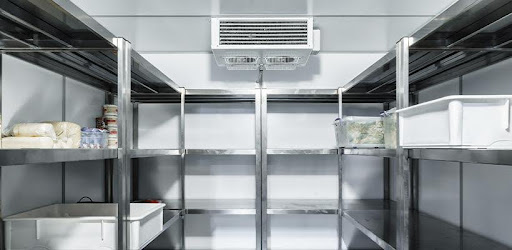
Running a food service, floral, or grocery business in Edmonton means one thing: temperature control is everything. Whether you’re storing perishable food, beverages, or sensitive inventory, having a reliable walk-in cooler is non-negotiable.
But with so many options available, how do you choose the right walk-in cooler for your specific business?
It’s not just about the size or the price. It’s about making the right investment in energy efficiency, durability, layout, and long-term performance. Partnering with a local refrigeration and HVAC expert can make the decision easier and more cost-effective.
In this guide, we’ll walk you through everything Edmonton business owners need to know when choosing a walk-in cooler, from size and insulation to installation and maintenance.
Why Walk-In Coolers Matter For Local Businesses
In a city like Edmonton, where seasonal extremes put constant pressure on your HVAC and refrigeration systems, your walk-in cooler is more than just a box—it’s a critical part of your operations.
A properly chosen and installed cooler can:
- Preserve food safety and product integrity
- Reduce waste and inventory loss
- Improve energy efficiency and cost savings
- Ensure compliance with Alberta Health Services regulations
Step 1: Understand Your Cooling Needs
Before you start shopping, take the time to define what you’re storing, how much, and how often. A few questions to consider:
- What type of products will you store—fresh produce, meats, beverages, dairy, flowers?
- How quickly do these items rotate?
- Do you need additional prep space or shelving inside?
- Will the cooler be located indoors or outdoors?
For example, a restaurant in downtown Edmonton may require different specs than a floral wholesaler serving multiple retail locations.
Step 2: Choose The Right Size And Layout
This might seem obvious, but walk-in coolers come in a range of sizes, and bigger isn’t always better.
A few things to factor in:
- Current and future storage needs (don’t just plan for today)
- Available floor space in your building
- Employee accessibility and foot traffic flow
- Door placement for loading and unloading efficiency
Pro tip: If you’re unsure about dimensions, a commercial refrigeration expert can help assess your layout and recommend a cooler that fits without wasting valuable space.
Step 3: Focus On Insulation And Energy Efficiency
In Edmonton’s cold winters and warm summers, temperature stability inside your walk-in cooler is a must. That’s where proper insulation comes in.
Look for:
- High R-value panels (the higher the R-value, the better the insulation)
- Foamed-in-place polyurethane insulation for long-term performance
- Seamless construction to prevent air leaks
- Automatic door closers and heavy-duty gaskets
Also, ask about energy-efficient compressor units and LED lighting. These features might cost more upfront, but they’ll save you significantly on power bills.
Step 4: Consider Indoor Vs. Outdoor Installation
Depending on your facility, you may need to install your walk-in cooler outside. Edmonton’s freeze-thaw cycles make this an important decision.
For outdoor coolers:
- Insulated floors are essential to prevent freezing
- Weatherproof finishes and roof panels are a must
- Heated door frames and vapour barriers help during colder months
Indoor units, while easier to maintain, require proper ventilation and must meet local building codes. Always check zoning and health regulations before finalizing your installation.
Step 5: Don’t Overlook Flooring Options
Walk-in coolers don’t always come with flooring, but that doesn’t mean you can skip it. The right floor affects cleanliness, insulation, and worker safety.
Flooring choices include:
- Aluminum tread plates (slip-resistant, durable)
- Insulated floors (prevent heat transfer from the concrete)
- Reinforced structural floors (support heavy loads like pallets or trolleys)
In Edmonton’s fluctuating humidity and temperature levels, flooring plays a huge role in overall cooling performance.
Step 6: Add-ons and Custom Features
Every business is different, and modern walk-in coolers can be customized with smart features like:
- Temperature alarms to alert you to system failures
- Data logging and remote monitoring (great for audits and food safety)
- Glass doors for visibility without opening the cooler
- Built-in shelving for better organization
You can also choose panel finishes like stainless steel for easy cleaning, or white galvanized steel for a cleaner aesthetic.
Step 7: Installation And Maintenance
Installation is just as important as the product itself. An experienced refrigeration contractor will:
- Ensure proper ventilation and airflow
- Install compressor units according to Edmonton’s climate needs
- Seal and insulate all connections
- Provide maintenance schedules and system walkthroughs
Also, ensure your cooler setup aligns with Alberta Health Services food storage requirements, especially if you’re in food service or retail.
Step 8: Budget With Long-Term Value In Mind
It’s tempting to go with the lowest-cost option—but that approach often leads to higher energy use, breakdowns, and early replacements.
Instead:
- Choose reliable brands with strong warranties
- Invest in energy-efficient components
- Work with a refrigeration provider that offers ongoing maintenance and emergency support
A walk-in cooler is a long-term investment. Prioritize reliability and performance over short-term savings.
Conclusion: Make The Right Choice For Long-Term Success
Choosing the right walk-in cooler for your Edmonton business takes planning, but the rewards are worth it. From sizing and layout to energy efficiency and climate-proofing, every decision impacts how well your cooler supports your daily operations.
With expert guidance and a smart setup, you’ll save on energy, reduce waste, and protect your inventory. Whether you’re opening a new location or upgrading an old unit, make sure your walk-in cooler works as hard as you do.
