
Did you know the global fencing market is expected to hit $90 billion by 2025? This shows how much people value improving their homes, privacy, and security with fences. We’ll show you how to build a fence, with tips for each step.
Whether you want to do it yourself or hire a pro, these tips will help. You’ll learn how to make a fence that looks good and lasts long. We’ll cover planning, picking materials, installing, and keeping it up.
Introduction to Fence Construction
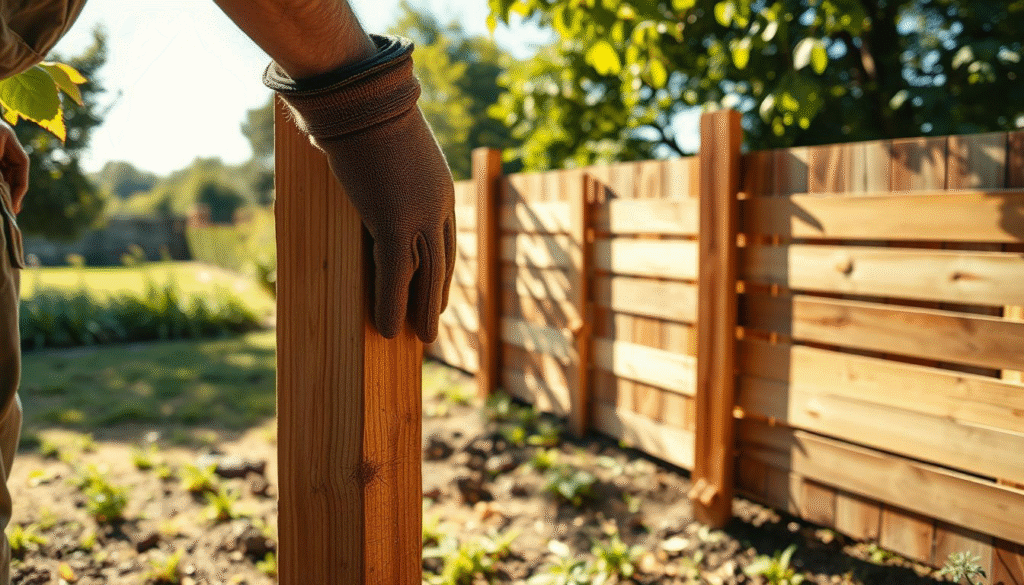
Building a fence is a mix of art and science. It serves many important roles. Homeowners want privacy and security, and a fence helps achieve that. A good fence also makes a house look better and increases its value.
There are many types of fences to choose from. You can pick wood, vinyl, or metal, each with its own benefits. Wood fences look classic and warm. Vinyl fences are durable and easy to care for. Metal fences, like wrought iron or chain link, offer security and a modern look.
This introduction helps you plan and design your fence. Knowing what makes a fence durable is key. The right fence can turn your outdoor area into a private haven.
Planning Your Fence Project
Planning is key in fence installation. Before starting, check local building codes and get necessary permits. These rules can tell you how tall and where your fence can go. Following these laws makes your fence last longer and keeps your neighborhood looking good.
Permits and Local Building Codes
Knowing what permits and codes you need can save you a lot of hassle. Each town has its own rules for fences. Some places have height limits or require certain materials for looks. A pro fence builder can help you follow these rules, making sure your fence meets local standards.
Understanding Your Property Lines
Knowing who owns the land is important to avoid fights with neighbors. You can use surveys or old documents to figure out your property lines. Marking them helps you see where your fence will be. This way, you avoid problems and keep good relations with your neighbors.
Choosing the Right Location for Gates
Gates are the main entry points to your property. It’s smart to spray paint where they’ll go. This helps you see how they’ll fit in your outdoor space. It’s all about looks and ease in your fence project.
Choosing Quality Fencing Materials
Choosing the right materials for your fence is key. It affects how long it lasts and how it looks. Good materials ensure your fence stays strong and looks great for years.
Types of Wood Fences: Cedar vs. Pressure-Treated
Cedar wood fences are beautiful and durable. They resist decay and insects well, lasting up to 40 years with care. This makes cedar a top pick for lasting fences.
Pressure-treated wood is cheaper but needs regular upkeep. It’s a good choice if you’re on a budget and don’t mind some maintenance.
Exploring Vinyl and Metal Options
Vinyl fencing is easy to care for and lasts long. It doesn’t fade, crack, or warp, perfect for those who want little upkeep. Metal fencing, from aluminum to wrought iron, adds security and style. Both vinyl and metal are great for lasting, stylish fences.
Measuring and Laying Out the Fence
In the world of fence construction, accurate measurements are key to success. The right calculations and layout make the process smoother.
Calculating the Linear Footage
First, figure out the total perimeter of the fence area. Measure each side’s length and add them up. This gives you the linear footage you need.
This step is critical. It ensures you have enough materials for the whole fence.
Using a String Line for Precision
A strong string line is a must during measuring. Stretch it between stakes to mark the fence’s layout. This guide helps keep posts aligned, giving your fence a clean look.
Marking Post Locations
After setting up the string line, mark where your fence posts will go. Use spray paint or stakes for this. Clear markers help keep your measurements accurate and prevent missing any post spots.
| Task | Description | Importance |
| Calculate Linear Footage | Measure perimeter accurately. | Ensures sufficient materials for construction. |
| Use String Line | Outline fence layout with string. | Maintains alignment and precision. |
| Mark Post Locations | Indicate post positions with spray paint or stakes. | Clear guidance for installation process. |
Constructing the Fence Posts
Building a strong fence starts with the foundation. Fence posts are key to this. They make the fence strong and last long.
Digging Holes for Fence Posts
Start by digging holes that are one-third the length of the posts. For 6-foot posts, holes should be about 2 feet deep. This depth helps the posts stay stable.
Make sure the holes are wide enough. They need to fit the posts and hold them in place.
Positioning Posts in Concrete or Foam
Next, place the fence posts in the holes. Concrete is often used to keep the posts steady. It makes the fence strong over time.
Expanding foam is another option. It’s faster but also keeps the posts secure. Pick what works best for your fence.
Importance of Proper Depth Below the Frost Line
In cold areas, posts must go below the frost line. This stops frost heave, which can move the posts. It keeps your fence standing all year.
Check local rules for the frost line in your area. It’s important for your fence’s stability.
Installing Fencing Rails and Panels
Installing fencing rails and panels is a key part of your project. The right rails affect the fence’s look and function. A professional fence builder can make this step easier, ensuring a smooth and correct installation.
Types of Rails for Different Fence Heights
Choosing the right rail is important for the fence’s height. Here are some common types:
- Horizontal Rails: Great for traditional fences, providing stability.
- Vertical Rails: Best for privacy fences, adding strength.
- Adjustable Rails: Popular for their flexibility, fitting various heights.
Panel Installation Techniques
Correct panel installation boosts the fence’s look and durability. Keep these tips in mind:
- Make sure panels fit snugly between posts for a strong fence.
- Use brackets for extra support, mainly in tall fences.
- Check the panels are level often during installation.
Tips for Leveling Your Rails
Leveling is key for a fence that looks good. Use these tips for leveling:
- Use a level and string line to keep the height even.
- Mark the heights on the posts before attaching the rails.
- Adjust for uneven ground to get a smooth finish.

Adding Pickets and Finishing Touches
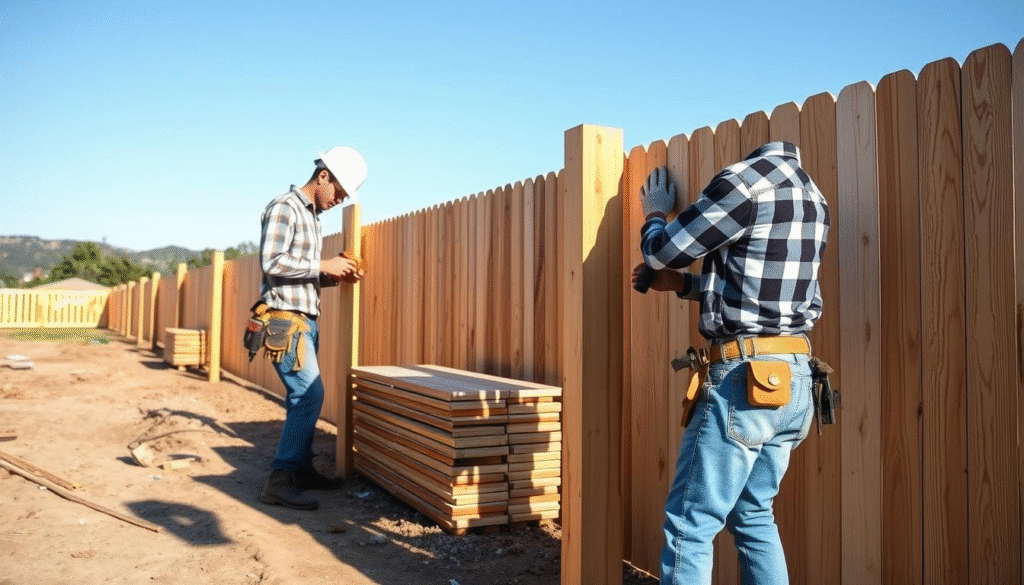
After setting the rails, it’s time to add pickets for both function and style. This step is key for good outdoor privacy. Use spacers for even gaps, making your fence look uniform.
Securing Pickets to Rails
Start by lining up your pickets with the rails. Make sure they’re straight and the gaps are even. This makes your fence look good.
Use durable screws or nails to attach the pickets. This makes your fence strong and private, without losing style.
Using Post Caps for a Polished Look
Post caps are a must for a finished look. They come in wood, vinyl, or metal, so you can match your garden. They also protect the posts from rain, making them last longer.
These finishing touches improve your fence’s privacy and match your backyard’s design. Choosing and placing them carefully can make your fence look amazing. It turns your outdoor space into a welcoming area.
Key Tips for Constructing Fence Effectively
Building a fence needs careful planning and thinking about many things. Whether you’re doing it alone or with neighbors, these tips will make your project better.
Shared Fencing Agreements with Neighbors
Working with neighbors on a fence can make your relationship better. A shared agreement on the fence helps avoid fights over property lines. Talking clearly about what materials, design, and costs will be used makes sure everyone is happy.
Call Before You Dig for Safety
Safety is the most important thing in any building project. Always call your local utility company to mark underground lines before digging. This step prevents accidents and saves money, making the fence installation go smoothly.
Considering Seasonal Factors in Construction
The weather can greatly affect your fence project. Rainy or very hot seasons can make materials not work well or take longer to dry. Plan your fence installation for when the weather is good to get a better and longer-lasting fence.
Factor Impact Best Practice Shared Agreements Clear responsibilities and avoid disputes Communicate openly with neighbors Utility Lines Prevent accidents and costs Always call before digging Weather Conditions Affects material performance Plan for favorable seasons Maintenance and Repair Considerations
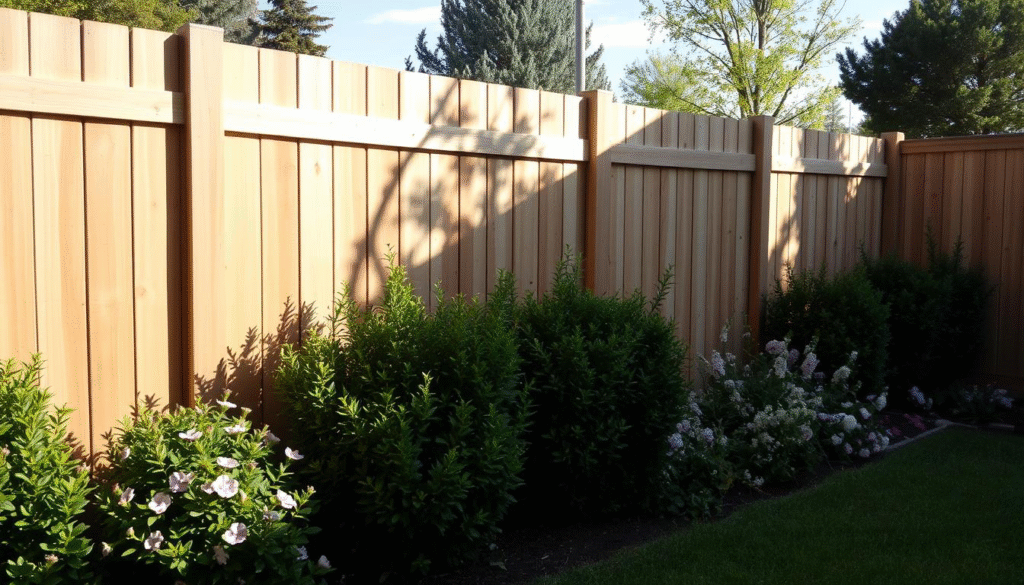
Keeping your fence in good shape is key. A well-maintained fence keeps your outdoor space private and saves you from unexpected repairs. Regular checks can save you money and make your fence last longer.
Regular Inspections for Damage
Regularly checking your fence helps spot problems early. Look out for:
- Cracks or splits in wood
- Rust on metal fittings
- Shifting posts
- Loose boards
Fixing these issues quickly stops them from getting worse. Make it a habit to check your fence seasonally, and after bad weather.
Staining and Preserving Wood Fences
Wood fences need regular staining and treatment. A protective stain keeps the wood looking good and protects it from moisture and pests. Here are some tips:
Task Frequency Purpose Inspect for Damage Twice a year Preventative maintenance Stain or Seal Every 2-3 years Preservation and aesthetic appeal Clean Fence Annually Remove debris and mildew Following these maintenance tips keeps your wood fence looking great. It also makes sure it stays a reliable privacy solution for many years.
Hiring a Professional Fence Builder
Starting a fencing project can be tough, if you don’t know the details. If you’re feeling stuck, getting a professional fence builder might be the smart choice. They can save you time and make sure the job is done right.
When to Consider Fencing Services
There are times when you should get a professional fence builder:
- The project is too big for you to handle.
- You don’t have enough time to do it yourself.
- You don’t have the right tools or equipment.
- Local laws require a professional to do the job.
Questions to Ask a Fence Contractor
When picking a fence contractor, ask important questions to check their skills. Here are some things to consider:
- What experience do you have with similar projects?
- Can you give me references from past clients?
- What materials do you suggest for my project?
- How do you keep projects on schedule and within budget?
- Do you offer any guarantees on your work?
DIY vs. Professional Fence Installation
Choosing between DIY and professional fence installation is a big decision. Homeowners must think about their skills, budget, and the quality they want. Looking at these factors helps make a better choice.
Weighing the Pros and Cons of Each Approach
Building a DIY fence lets you be creative and feel proud of your work. You can pick the materials and design that fit your style. But, it takes a lot of time and requires some building knowledge.
Tasks like measuring, digging, and putting it together need to be done right. They can also be hard work.
- Pros of DIY:It can save money on labor.
- You have full control over the design and materials.
- It’s a project that can make you feel accomplished.
- Cons of DIY:It takes a lot of time, even for beginners.
- There’s a chance of making mistakes that cost more to fix.
- Without professional help, it might not last as long.
Cost Comparisons and Budgeting
When planning your fence budget, it’s key to compare DIY and expert fence construction services costs. Here’s a look at what you might spend:
Item DIY Installation Professional Installation Materials $1,500 $1,500 Labor Self-Provided $800 Tools Rental $200 N/A Total Cost $1,700 $2,300 Looking at these costs helps you decide what’s best for your wallet. Going the DIY route can save money, but it’s a big job. It’s important to match your choice with your skills and what you hope to achieve.
Conclusion
Building a quality fence can make your property look better and keep it private and secure. We talked about the importance of planning well, picking the right materials, and learning how to build. By focusing on these, you can create a fence that lasts for years.
Starting your fence project right is key. You need a good plan, from knowing your property lines to picking the best spot for gates. The materials you choose also affect how long your fence will last. Whether you go for traditional wood or modern aluminum, think about durability and upkeep.
Now you’re ready to start building your fence. You can do it yourself or get help from professionals. Either way, you’ll end up with a fence that looks great and serves your needs. Enjoy your new fence, knowing it’s a smart investment in your home.
FAQ
What are the main purposes of building a fence?
Building a fence serves several key purposes. It boosts your property’s security and privacy. It also adds value to your home. A well-made fence can mark your property’s boundary and enhance its look.
Do I need a permit to build a fence?
Yes, you need a permit before starting your fence project. Local building codes dictate the fence’s height and location. Always check with your local authorities.
What fencing materials are the most durable?
Cedar is a top pick for durable fencing due to its long life. Vinyl and metal fences are also durable and easy to maintain. They’re great for securing your property.
How do I calculate the materials needed for my fence?
Measure the area where you’ll install the fence. This helps figure out how much material you need. It’s key for a successful fence installation.
What’s the best way to set fence posts?
Dig holes that are one-third the post’s length, below the frost line. Use concrete or expanding foam to secure the posts. This ensures they stand strong and stable.
How can I maintain my wooden fence?
Keeping your fence in good shape is essential. Regularly check for damage and apply stain or treatment. This prevents decay and keeps your fence looking great.
Should I hire a professional fence contractor?
If the project seems too big or complex, consider hiring a pro. They offer quality services and ensure your fence looks and lasts well.
What are the pros and cons of DIY vs. professional fence installation?
DIY can save money and let you get creative. But, it’s time-consuming and requires skills. Hiring a pro ensures quality but costs more. Think about your budget, time, and skills to decide.
