
Aleksejs Halavins: A Brief Biography
The Aleksejs Halavins biography begins in Riga, Latvia. Growing up near busy docks, he became interested in the shipping world early on. After finishing school, he entered the Latvian Maritime Academy and earned a diploma as an engineer-navigator. That education covered safety rules, vessel systems, and teamwork basics.
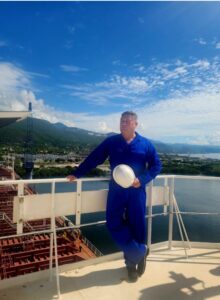
Right after graduation, he took junior deck jobs on merchant vessels. Long trips and night watches taught him discipline. Over some time, he gained experience on different types of ships and rose to senior positions.
What Is Aleksejs Halavins Up to Do These Days?
Daily Work
Now, Halavins works mostly on shore. He manages operations for fleets that travel to many countries. His days include reading safety reports, planning inspections, and talking with crew leaders. Because the shipping industry follows strict rules—every detail matters.
Training Efforts
Halavins often joins seminars for seamen and office staff. During these events, speakers share recent safety updates, and crews discuss real problems they face on board. The goal is simple: make sure everyone stays informed. Feedback shows that employees enjoy the open format, which mixes short talks with question-and-answer time.
Inside the Company Management of Aleksejs Halavins
When it comes to the management of companies, Aleksejs Halavins’s style focuses on two main points: structure and people. First, structure means clear plans. Every ship gets a checklist, every report has a deadline, and every problem has a direct contact person. This order helps prevent delays and misunderstandings.
Second, the “people” side is just as important. Halavins reminds managers that numbers on a screen represent real crews at sea. When something goes wrong, it is a human issue first and a paperwork item second. By balancing these two points—structure and people—he keeps both safety and morale high.
Why Should Top Managers Visit Ships?
Aleksejs Halavins is a strong supporter of personal visits. He believes that leaders who never see a ship in person miss the real picture. A monthly report can list facts, but it cannot show fatigue on a crew’s face or the small hazards at a gangway. By boarding a vessel, managers notice details that spreadsheets hide.
Building Trust
Crews respect leaders who step on deck and ask simple questions about an everyday workflow. These conversations build trust faster than emails. Seamen feel heard and are more open about challenges, which leads to quicker fixes.
Better Decisions
On-site visits also improve decision-making. When managers see cramped passageways or outdated safety signs, they understand why upgrades matter. This direct view helps them prioritize budgets and set realistic timelines.
Team Spirit
Finally, shared moments—like a quick meal in the mess hall—create team spirit. Crews remember that the office cares, and office staff remember why their work matters. This shared respect reduces turnover and boosts performance across the whole fleet.
Halavins’ Attitude Toward Seamen
Halavins often says that crews are the backbone of maritime operations. Without them, no plan moves and no cargo arrives. In meetings, he encourages managers to speak plainly, avoid jargon, and respect different cultures on board. His guideline is clear: “Listen first, decide second.”
He also supports extra training for new hires, stating that early guidance prevents later mistakes. Simple steps—like practicing emergency drills on shore—prepare crews before they step onto a moving vessel. This proactive attitude saves time and keeps everyone safer.
Looking Ahead
Halavins plans to keep visiting ships and running seminars. He wants to expand the program to include short online courses that crews can finish during rest periods. He is also exploring new software tools to track maintenance tasks more smoothly.
Though shipping rules may change, his approach remains steady: clear structure, direct communication, and personal contact. With these principles, he believes fleets can handle new challenges, from longer routes to updated safety laws.
In summary, Aleksejs Halavins shows how modern business leadership can blend solid planning with human respect. With the work in the management of companies, Aleksejs Halavins’s work highlights the value of clear procedures and face-to-face visits. For any manager—on land or at sea—his example explains why listening to people and seeing real conditions are key steps toward lasting success.
