
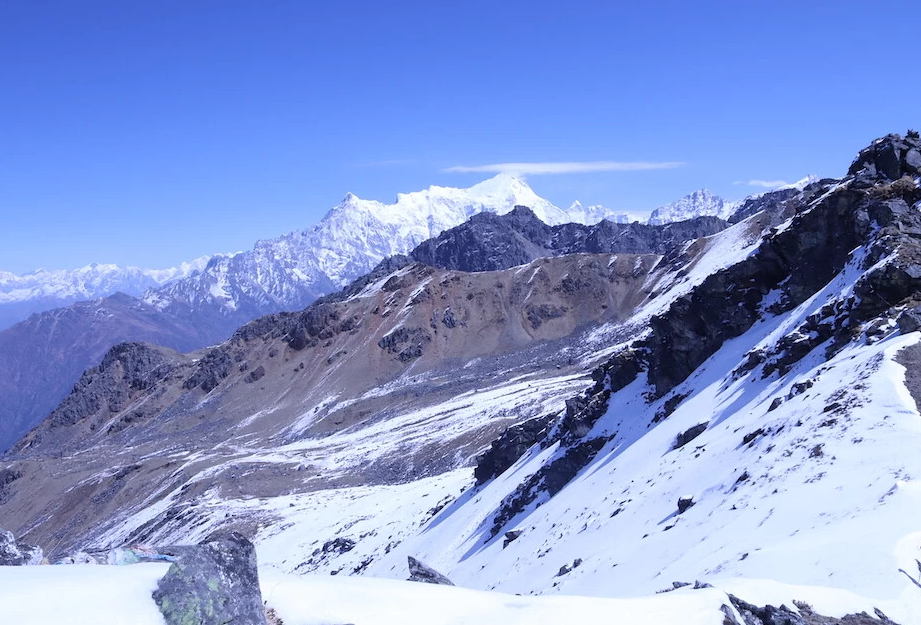
Yala Peak is at an altitude of about 5,732 meters, located in the Langtang region. It holds a reputation as being one of the easiest Himalayan peaks, with many trekking adventurers and novice climbers scrambling up its slopes. It is a moderately difficult climb with an incredible view of the other mountain ranges, such as the Shishapangma.
The peak has been rated a fantastic initiation to a Himalayan climb, as it is non-technical. Climbers do not need any advanced skills in mountaineering; they should be physically fit, properly acclimatized to high altitude. The route includes walking on scenic land and through rough or frozen terrain using minimal equipment, as far as mountaineering techniques are concerned.
This blog seeks to review how hard climbing Yala Peak is, the fitness required, and the preparation needed. It will provide information on the techniques of physical training, skills that are worth learning, and strategies for overcoming altitude challenges safely to guide beginners effectively on the preparation for the climb.
Understanding the Difficulty of Yala Peak
- Technical Difficulty:
Yala Peak is classified as a non-technical mountain, meaning that advanced technical abilities like rock or ice climbing are not required. Essential safety skills include basic mountaineering skills of walking with crampons and using an ice axe.
The ascent has parts that are in snow and ice, especially at the summit. This area can be accessed by climbers with skills such as self-arrest and rope usage, but would need prior advice and planning.
- Altitude Challenge:
The Yala Peak has an altitude of 5,732 meters, at which the danger of Acute Mountain Sickness ( AMS ) becomes high. Climbers should exhibit awareness of the symptoms and proper acclimatization measures so as to prevent health disorders.
There are many ways up the mountain, where some routes provide a gentle increase in altitude versus more rapid ascent routes. To avoid the risk of AMS, it is advisable to take a slow path, particularly with individuals who have not gained substantial experience with high altitude.
- Physical Demand:
Climbers are exposed to long days of trekking, which average 5 to 7 hours. It demands stamina and patience because sometimes the landscape can be rugged, and other times it can be snowy, which means that one will need a constant rate of walking and proper management of strength during the ascent.
The summit push entails steep and difficult slopes, but within the limits of fit beginners. Challenges associated with physical fitness, such as cardiovascular endurance and leg strength, are essential in the determination of the ability of the climbers to achieve the final climb without any harm or struggle.
Fitness Requirements for Yala Peak
- Cardiovascular Endurance:
As preparation for Yala Peak, train by doing hikes with a weighted backpack to achieve an experience of trekking. This develops the stamina required to support the long walks as well as the loading and carrying of equipment in uphill terrain.
Also, activities such as jogging, bicycling, or climbing the stairs are effective in stamina building as well as enhancing the functioning of the heart and lungs. An everyday training should be observed to work on the overall cardiovascular condition to increase endurance before the climb.
- Strength & Stability:
To cope with the problem of steep uphill and downhill trekking, the strength of the legs plays an important role. Activities such as squats and lunges increase muscle endurance needed to climb up and down a trail over rough and smooth surfaces as one progresses in the trek.
Having strong core muscles is also important when you want to balance on rough and hilly trails. Planks and balance also lead to the enhancement of the core muscles and the avoidance of injuries and instability on uneven surfaces.
- Altitude Acclimatization:
Yala Peak climbers need prior experience at an altitude above 3,000 meters. It allows the climbers to adapt to a decrease in the amount of oxygen in the air and minimizes the chance of serious altitude sickness occurring upon ascent.
It is necessary to have the slow ascent technique and scheduled acclimatization days. Allowing oneself to acclimatize in the middle passes increases oxygen uptake and acclimatizes the body to the rigors of high altitudes during the summit push.
Essential Skills Needed
- Basic Mountaineering Skills:
A skill in using crampons and ice axes is necessary to find a foothold and protection on frozen ground. The skill in using these tools is essential when going across the snow and ice portions of the climb and close to the top of Yala Peak.
Snow and glacier travel. Roped travel may be necessary to traverse crevassed areas and walk securely. Acquiring skills in rope work, safety, and moving as a group increases the security within challenging portions of the route.
- Navigation & Safety Awareness:
In the case of beginners, it is quite advisable to follow an experienced guide in order to take on the route safely. Unaccompanied travel with no experience in the high-altitude environment is dangerous and is not recommended in mountaineering by first-time travelers.
It is important to notice the symptoms of altitude sickness: headache, nausea, and dizziness. Through early detection, they will act on time to avoid possible danger, and acclimatization is done more safely in the course of climbing.
- Mental Preparation:
Yala Peak ascent requires a strong mind to endure the intensity of physical exhaustion and the cold environment. It is crucial to be positive-minded and have focus even in pain to survive long days of trek and difficult weather.
Fear has to be controlled to the extent of exposure during the summit day, like steep slopes and small paths. Mental training and experience to build confidence, avoid freaking out, since there is a calm, steady movement until reaching the final ascent.
Training & Preparation Tips
- Pre-Trek Training Plan (6-8 weeks before):
Initiate high altitude gain weekly hikes to train the stamina and train for the trek mode. Incorporate progression to difficulty to train your body to be used to different landscapes of the mountain and long durations of physical activity.
Supplement hiking with strong and endurance training of the legs, core, and cardiovascular area. Training consistency helps an individual improve his or her overall physical preparedness for the tasks of climbing the Yala Peak.
- Gear Checklist:
There is necessary special equipment: rigid trekking boots, warm layers of clothing, crampons, and a walking stick with sharp points, which is an ice axe in icy and snowy weather. Good equipment makes the climb safe, comfortable, and effective.
Other useful items that are optional include trekking poles to provide balance and a down jacket that will keep you warmer than the rest of your clothing would. These elements increase stability and comfort, particularly when it is colder and when riding through difficult sections.
- Acclimatization Strategy:
Use an advisable schedule that comprises the trek in Langtang valley together with scheduled rest days that enable an easy acclimatization to the altitude. The practice minimizes the chances of Acute Mountain Sickness (AMS).
Keep yourself hydrated and follow a gradual and steady pace upwards. Good hydration and pacing can facilitate acclimatization and assist the body in adjusting adequately to high-altitude conditions.
Comparing Yala Peak to Other Treks/Climbs
Yala Peak is easier in general as compared to Island Peak and Mera Peak, which are considered much more technical and climbed by experienced mountaineers. Its non-technical language makes it friendly to a novice who would just want to feel the challenge of climbing the Himalayas without so much difficulty.
Yala Peak is more difficult than the Everest Base Camp trek to the extent that it is at a high altitude and requires at least some climbing skills. It carries snow and ice portions with a requirement to be better acclimatized and in physical shape.
Yala Peak is a stepping stone that provides useful knowledge when one wants to climb above the Himalayas. It exposes climbers to altitude, mountaineering conditions, and rough techniques required on higher mountains in Nepal.
Conclusion
The Yala Peak encompasses a moderate walking difficulty perfect for tackling by a fit aspiring climber. Good physical fitness and essential knowledge of the basic mountaineering skills are necessary to safely and pleasurably reach the altitude of 5,732 meters.
With adequate training, acclimatization, and preparation, the climb is something that can be handled and fulfilling. Taking your time training endurance, strength, and mental strength highly augments the possibility of success.
Address:
Thamel, Kathmandu
Nepal
