
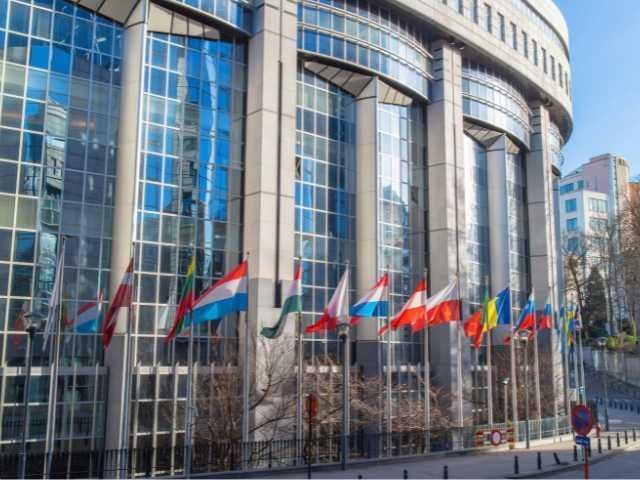
Europe,Sep 10th,2025-For decades, the European Union (EU) has been a hub of career opportunities across diverse fields ranging from policy and law to finance and technology. But one sector that continues to expand rapidly — often overlooked by job seekers — is security. With geopolitical tensions, migration pressures, and technological risks reshaping the global landscape, the EU is strengthening its investment in public safety, border management, and security personnel. For job seekers, this translates into stable, long-term opportunities with competitive pay and the prestige of working under the umbrella of EU institutions.
One of the most visible employers in this space is the EU’s border and coast guard agency. For aspiring candidates, a dedicated Frontex course can help navigate the complex selection process, while regularly updated Frontex vacancies open doors to roles across Europe. These structured positions offer an entry point into a long-term career in EU security, with benefits that often surpass national-level employment.
Why Security Careers in the EU Are Growing
The global environment has shifted in ways that make security and border management one of the EU’s top priorities. The rise of hybrid threats, cybersecurity risks, and irregular migration has forced the bloc to rethink how it protects both its internal and external borders. This isn’t just about policing — it’s about combining legal, technological, and operational expertise to safeguard the continent.
For job seekers, this trend creates a “demand pull” — the EU needs more skilled professionals than national governments alone can provide. The Union recruits broadly, offering opportunities to citizens of member states regardless of their previous career background. From young graduates to mid-career professionals looking for stability, the demand is strong.
Security Roles Beyond the Stereotypes
When many people think of security jobs, they picture traditional roles such as guards or patrol officers. While those exist, EU security careers are far more varied. Open positions can include:
- Border control officers stationed at airports, seaports, and land borders.
- Intelligence and risk analysts who process data to predict and prevent threats.
- Cybersecurity specialists ensuring digital resilience of border systems.
- Operations coordinators managing logistics, planning, and personnel deployment.
- Policy and compliance officers aligning EU security operations with European law.
This diversity of roles means applicants with backgrounds in IT, law, logistics, linguistics, and even psychology can find a fitting position. It’s not only about uniforms on the front line; it’s about a full ecosystem of support functions.
The Appeal: Stability, Prestige, and Pay
EU security jobs often come with a stability that national markets can’t always match. Contracts may start as temporary, but many evolve into long-term or permanent roles. Compensation packages usually include:
- Competitive salaries benchmarked at the EU level.
- Expatriation allowances for staff relocating outside their home country.
- Healthcare and pension contributions aligned with EU standards.
- Multilingual, multicultural work environments, enhancing career mobility.
For younger professionals, the prestige of working under an EU institution can also open doors to future roles in diplomacy, consulting, or private-sector security.
Pathways Into EU Security Careers
Breaking into EU security roles requires preparation. Applicants usually face a structured recruitment process involving eligibility checks, written knowledge tests, physical assessments, and psychological evaluations. For certain positions, proficiency in multiple EU languages is a must.
Preparation programs and courses have emerged to support candidates, some tailored to specific agencies. These can help applicants understand the exam style, interview questions, and assessment criteria. Just as financial professionals use prep courses for CFA or CPA exams, EU security hopefuls increasingly rely on structured learning before applying.
Geopolitics and the Future of EU Security
Another reason security careers are expanding is the geopolitical context. The EU faces pressure from migration flows, instability in its neighborhood, and challenges from organized crime. Recent years have also highlighted the importance of cybersecurity as attacks on critical infrastructure rise.
The European Commission and Parliament have responded by allocating larger portions of the EU budget to security and defense. More funding translates directly into more projects — and therefore more jobs. Over the next decade, this trend is likely to continue, making security one of the most resilient employment areas in the Union.
Security Careers as a Long-Term Strategy
Job seekers often ask whether EU careers are future-proof. In the case of security, the answer is largely yes. Even as technology automates certain functions, the human element remains irreplaceable. Border checks may be supported by biometrics and AI, but trained officers are still essential to interpret, decide, and intervene.
Moreover, security careers often provide transferable skills. Experience gained in EU security can lead to positions in international organizations, NGOs, or the private sector. Companies in the logistics, aviation, and technology sectors highly value individuals who have trained and worked in structured, high-pressure EU environments.
Key Challenges for Applicants
While opportunities are plentiful, candidates should be prepared for a demanding application journey. Common challenges include:
- Rigorous selection processes with multiple stages.
- High competition from across 27 member states.
- Mobility requirements, since staff may be deployed far from home.
- Language demands, often requiring advanced proficiency in English and/or French in addition to the applicant’s native language.
Applicants who prepare well and approach the process strategically, however, often find the payoff worthwhile.
Case Study: A Career Trajectory
Consider the path of a young graduate in law from Spain. After taking a preparation course, she applies for a border management position. She passes the knowledge test, undergoes fitness and psychological evaluation, and is placed in a multinational team at a major European airport. Within a few years, she moves into a supervisory role and later applies for a secondment to an EU cybersecurity project. Today, she oversees an entire unit coordinating digital border systems — a career that started with a single entry-level application.
This kind of trajectory is increasingly common, showing how EU security careers can evolve into leadership positions with regional influence.
How Applicants Can Boost Their Chances
Candidates aiming to maximize their success should:
- Research the selection process thoroughly to understand requirements.
- Consider preparation courses to build familiarity with assessments.
- Strengthen physical fitness and resilience, since some roles demand it.
- Enhance language skills, especially in English, French, and German.
- Stay updated on EU policies, as tests often include current affairs.
In competitive fields, small advantages can make the difference between passing and failing.
Why Now Is the Time
For those considering a meaningful, stable career path, EU security jobs offer a rare combination of benefits: strong demand, international prestige, and long-term growth. The sector is expanding, budgets are rising, and geopolitical dynamics ensure that demand won’t slow down soon.
The opportunity is clear: applicants who prepare thoroughly today are positioning themselves for a decade of career stability and advancement. Just as finance professionals once flocked to the City of London or Wall Street, the next wave of ambitious job seekers may well be building their futures in Europe’s security institutions.
Contact Details:
Contact us at: https://frontexprep.com/contact/
