
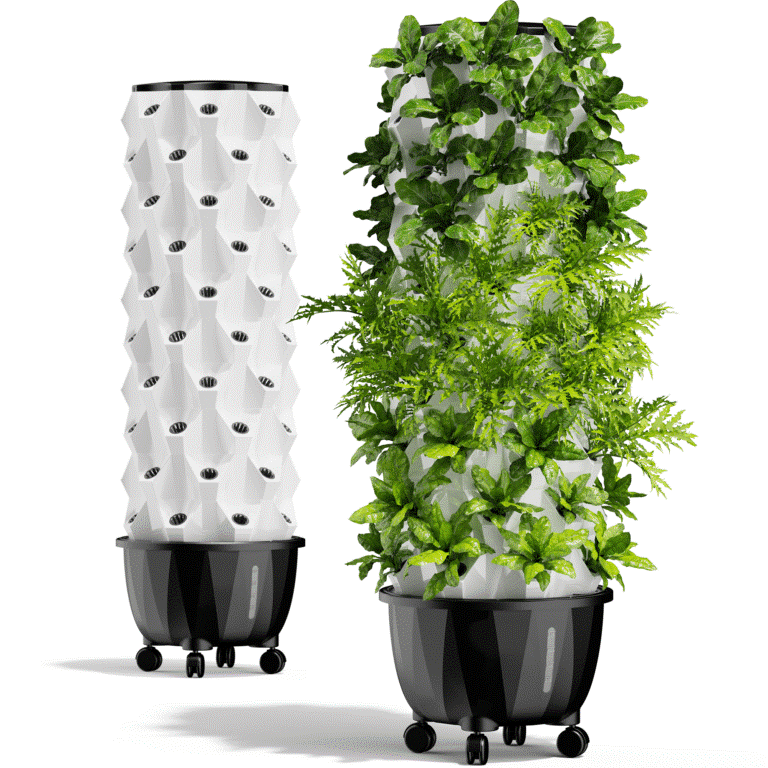
A closer look at how design innovations and smarter system planning can improve financial outcomes
The vision of locally grown produce via vertical farming towers is gaining traction—especially in urban corporate campuses and institutional facilities. Yet, the promise of high yields in tight spaces often meets harsh financial reality. Despite their environmental appeal, vertical farming towers continue to wrestle with steep upfront investment and energy consumption, prompting many facilities managers to question their viability. Understanding the cost dynamics at play—and what can be done about them—is the first step toward more informed, ROI-driven decisions.
The Double-Edged Sword of Infrastructure Investment
Unlike traditional soil farming or even basic hydroponics, vertical farming towers demand more capital outlay per square foot. This includes structural materials, programmable LED grow lights, environmental control systems, and integrated automation. These requirements quickly elevate costs for organizations looking to scale from pilot to full deployment.
However, capital efficiency can be improved by choosing modular tower systems that integrate climate controls, nutrient delivery, and smart monitoring in compact footprints. A properly engineered vertical farming tower system can help reduce labor input, water waste, and long-term operating costs—offsetting initial expenditures over time.
Energy Usage: A Critical ROI Factor
Power consumption remains a major sticking point. Lighting, HVAC, and dehumidification systems must run nearly 24/7 to simulate ideal growing conditions. Depending on regional energy prices and system design, this can erode profit margins quickly.
Advances in LED efficiency, heat recovery, and intelligent control systems are making strides here. Facilities managers must look at the total cost of ownership, not just the sticker price. When evaluated properly, vertically stacked systems with high-efficiency lighting and automated climate controls can lead to lower operating costs per crop cycle compared to flat hydroponics—particularly when used to supplement foodservice or employee wellness programs on corporate campuses.
Design Choices That Cut Costs Without Compromise
Smart design matters. Towers that support modular expansion and maintenance access reduce labor costs and downtime. Closed-loop irrigation systems significantly reduce water and nutrient usage. Pairing this with real-time data monitoring also means fewer losses to system failure or human error.
Investing in vendor partnerships that offer robust design consultations and post-installation support is essential. Avoiding generic, one-size-fits-all setups in favor of tailored tower layouts will yield greater efficiency. Consider load-bearing placement, HVAC routing, and lighting overlap when evaluating tower layout plans.
Strategic Planning vs. Opportunistic Adoption
Too many vertical farming ventures launch based on enthusiasm rather than strategic planning. A clear operational model—one that includes energy audits, space utilization, staffing needs, and output forecasting—can prevent downstream financial pitfalls.
Whether used for on-site food production, STEM education, or sustainability initiatives, vertical farming towers are tools, not magic bullets. Their long-term value comes down to how well they’re planned, integrated, and optimized.
A Smarter Path Forward for Cost-Conscious Innovators
Vertical farming towers can offer powerful sustainability and food resilience benefits, but only when approached with financial realism. As infrastructure and energy remain top concerns, the organizations that succeed will be those that approach adoption with clarity, diligence, and data.
Additional Resources
Explore more about commercial hydroponic systems and how they compare in efficiency, scalability, and energy consumption.
Willow Brook Farms is taking a closer look at the opportunities and challenges of vertical farming towers, particularly as rising energy costs and significant upfront investments pose hurdles for growers. This article highlights how the farm is addressing these issues while exploring innovative solutions to make vertical farming more sustainable and cost-effective.
Media Info
Name:willow-brookfarms team
Organization:willow-brookfarms.ca
Email:Info@willow-brookfarms.ca
Address: Canada
Website:https://willow-brookfarms.ca/
