
United States,Sep 25,2025-If you’re considering Botox for the first time, a practical question usually comes first: how long will the results last? The short answer is that most people enjoy results for three to four months, with a normal range of two to six months depending on your biology, lifestyle, dose, and the muscles treated.
Knowing the likely timeline helps you plan appointments, budget realistically, and align expectations with your goals. Below, you’ll find a connected, step-by-step explanation—from how Botox works to how to stretch your results safely.
- How Botox Works (and When It Kicks In)
- Standard Timeline: Week 1 to Month 6
- What Actually Determines Duration
- How Long Botox Lasts by Treatment Area
- How to Make Results Last Longer
- What Happens as Botox Wears Off
- Safety & Long-Term Considerations
How Botox Works (and When It Kicks In)
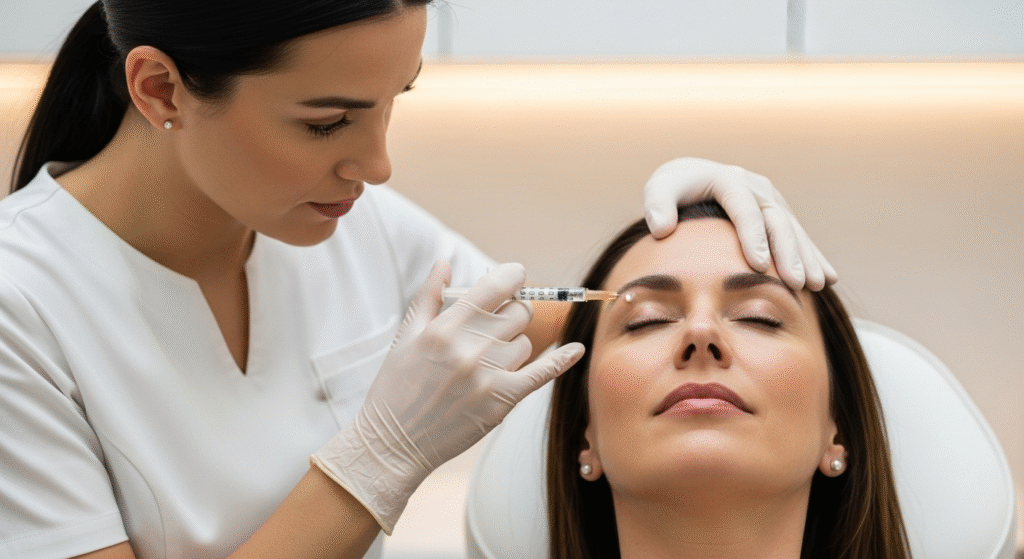
Botox contains botulinum toxin type A, a purified protein that temporarily blocks the nerve signals telling specific muscles to contract. When those signals are muted, the muscle activity that folds the skin (think frowning, squinting, raising eyebrows) decreases, so the overlying skin looks smoother.
The key word is temporary. Your body gradually metabolizes the toxin, nerve communication returns, and muscle movement comes back—hence the limited duration of effect.
Onset isn’t instant: most people notice early changes in 3–5 days, with full results at ~2 weeks. That delayed onset is expected.
Standard Timeline: Week 1 to Month 6

Here’s a practical, research-aligned timeline to set expectations—plus where you might see your Botox treatments in Baltimore land:
- Week 1: Results begin; expression lines soften.
- Week 2: Peak effect; full smoothing visible.
- Month 1–2: Strong, stable results for most people.
- Month 3: Gradual return of movement begins.
- Month 4: Noticeably more movement; effect tapering.
- Month 5–6: Most of the effect has worn off.
The American Society of Plastic Surgeons notes that many patients choose retreatment about every 3–4 months to maintain a consistent look. First-timers sometimes find the initial treatment fades a bit faster; subsequent sessions may last longer as muscles adapt.
What Actually Determines Duration
Your personal timeline is shaped by several interacting factors. Understanding them helps you set realistic expectations—and tweak what you can control.
1) Metabolism & Body Chemistry
People with faster metabolisms may clear the toxin more quickly, shortening duration. Highly active individuals sometimes notice they need touch-ups sooner. That said, research suggests the metabolism–duration link isn’t perfectly linear, and it differs from how fillers behave.
2) Muscle Strength & Expressiveness
Stronger, often-used muscles (like the glabellar frown muscles) can require higher doses and may wear off sooner. If you’re naturally expressive—frequent brow furrowing or squinting—expect a somewhat shorter duration until muscles “learn” to stay more relaxed with consistent treatment.
3) Age, Skin Quality & Wrinkle Depth
Younger patients may metabolize a bit faster but often respond well because skin is resilient. In more mature skin, slower metabolism can help effects last, but deeper, established lines may re-emerge sooner as movement returns.
4) Lifestyle Inputs
Sun exposure, smoking, unmanaged stress (which increases facial tension), heavy alcohol intake, and certain medications can all influence how long results last. Good skincare and daily sunscreen help preserve the look you achieved.
How Long Botox Lasts by Treatment Area
Different muscles behave differently. Here’s a practical area-by-area snapshot:
- Forehead lines: Typically 3–4 months, sometimes up to 5 months with regular treatments.
- Frown lines (glabellar): Often 3–5 months due to strong, habitual muscle activity.
- Crow’s feet: Commonly 3–4 months; the Cleveland Clinic notes this area often yields very natural-looking results.
- Neck bands / jawline: Can skew slightly longer—~4–6 months—because these muscles are used differently in daily expressions.
Medical uses may follow different timelines (e.g., chronic migraine protocols ~12 weeks; excessive sweating often 4–6+ months), reflecting different doses and targets.
How to Make Results Last Longer
- Choose an experienced injector: Accurate placement and dosing are critical for longevity.
- Follow aftercare: For the first 4 hours, avoid lying flat; for 24 hours, avoid massaging treated areas.
- Be consistent: Regular, well-timed sessions can “train” muscles and may extend intervals over time.
- Protect your skin daily: Broad-spectrum SPF, retinoids as tolerated, and moisturizers support smoother, longer-lasting results.
- Mind lifestyle factors: Manage stress, limit smoking and heavy alcohol, and wear sunglasses to reduce squinting.
- Consider nutrients: Adequate zinc intake may help some individuals (evidence is limited but promising).
What Happens as Botox Wears Off
Here’s a practical, research-aligned timeline to set expectations—plus where you might see your Botox treatments in Baltimore land:
- Week 1: Results begin; expression lines soften.
- Week 2: Peak effect; full smoothing visible.
- Month 1–2: Strong, stable results for most people.
- Month 3: Gradual return of movement begins.
- Month 4: Noticeably more movement; effect tapering.
- Month 5–6: Most of the effect has worn off.
The American Society of Plastic Surgeons notes that many patients choose retreatment about every 3–4 months to maintain a consistent look. First-timers sometimes find the initial treatment fades a bit faster; subsequent sessions may last longer as muscles adapt.
What Actually Determines Duration
Your personal timeline is shaped by several interacting factors. Understanding them helps you set realistic expectations—and tweak what you can control.
1) Metabolism & Body Chemistry
People with faster metabolisms may clear the toxin more quickly, shortening duration. Highly active individuals sometimes notice they need touch-ups sooner. That said, research suggests the metabolism–duration link isn’t perfectly linear, and it differs from how fillers behave.
2) Muscle Strength & Expressiveness
Stronger, often-used muscles (like the glabellar frown muscles) can require higher doses and may wear off sooner. If you’re naturally expressive—frequent brow furrowing or squinting—expect a somewhat shorter duration until muscles “learn” to stay more relaxed with consistent treatment.
3) Age, Skin Quality & Wrinkle Depth
Younger patients may metabolize a bit faster but often respond well because skin is resilient. In more mature skin, slower metabolism can help effects last, but deeper, established lines may re-emerge sooner as movement returns.
4) Lifestyle Inputs
Sun exposure, smoking, unmanaged stress (which increases facial tension), heavy alcohol intake, and certain medications can all influence how long results last. Good skincare and daily sunscreen help preserve the look you achieved.
How Long Botox Lasts by Treatment Area
Different muscles behave differently. Here’s a practical area-by-area snapshot:
- Forehead lines: Typically 3–4 months, sometimes up to 5 months with regular treatments.
- Frown lines (glabellar): Often 3–5 months due to strong, habitual muscle activity.
- Crow’s feet: Commonly 3–4 months; the Cleveland Clinic notes this area often yields very natural-looking results.
- Neck bands / jawline: Can skew slightly longer—~4–6 months—because these muscles are used differently in daily expressions.
Medical uses may follow different timelines (e.g., chronic migraine protocols ~12 weeks; excessive sweating often 4–6+ months), reflecting different doses and targets.
How to Make Results Last Longer
- Choose an experienced injector: Accurate placement and dosing are critical for longevity.
- Follow aftercare: For the first 4 hours, avoid lying flat; for 24 hours, avoid massaging treated areas.
- Be consistent: Regular, well-timed sessions can “train” muscles and may extend intervals over time.
- Protect your skin daily: Broad-spectrum SPF, retinoids as tolerated, and moisturizers support smoother, longer-lasting results.
- Mind lifestyle factors: Manage stress, limit smoking and heavy alcohol, and wear sunglasses to reduce squinting.
- Consider nutrients: Adequate zinc intake may help some individuals (evidence is limited but promising).
