
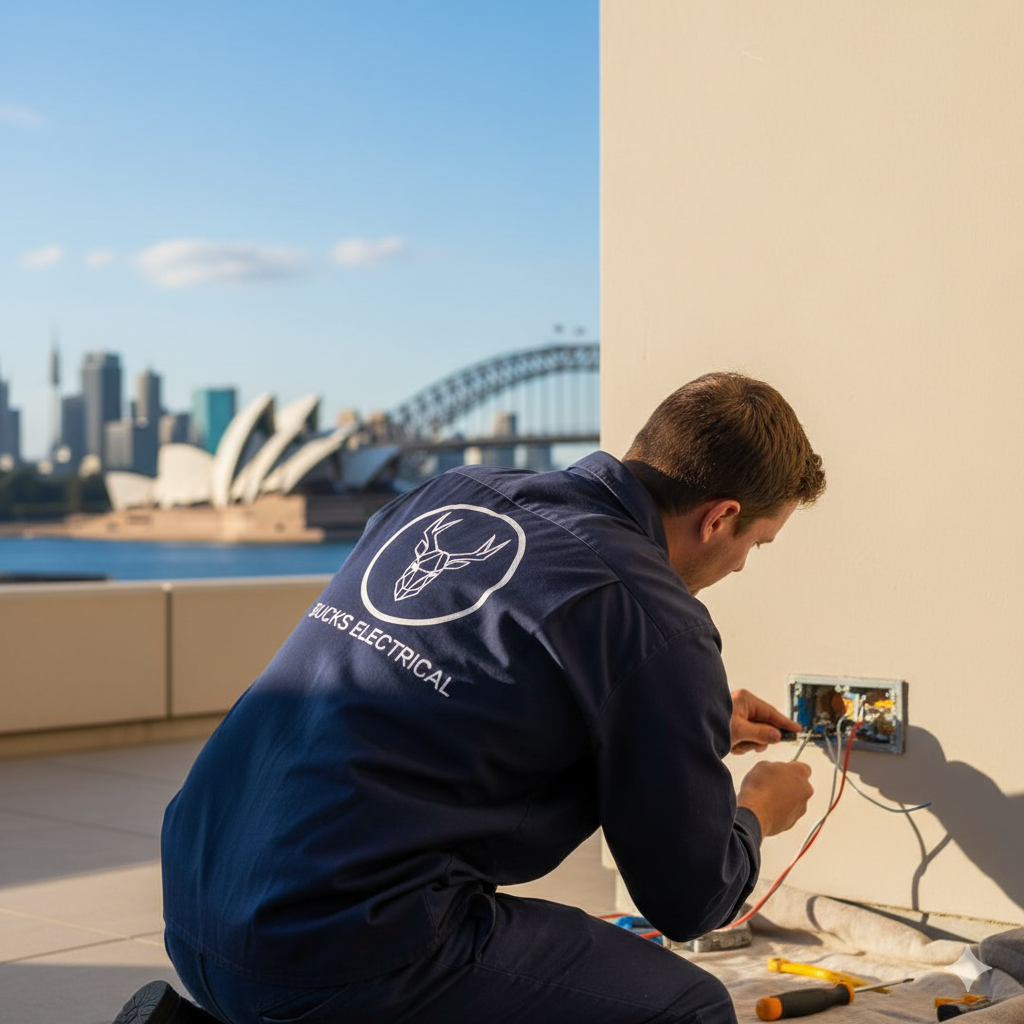
Ever plugged in your phone charger, only for the little light on the power point to flicker uncertainly, or worse, refuse to light up at all? It’s a common household annoyance, but sometimes, what seems like a minor glitch can be a flashing red light for something more serious. Our power points are the unsung heroes of modern life, silently supplying juice to everything from our morning coffee to our evening Netflix binge. But like all heroes, they can get tired, worn, or even dangerous. Knowing when a power point is just having a bad day versus when it needs professional Power point repair is crucial for your home’s safety and your peace of mind.
Ignoring a faulty power point isn’t just an inconvenience; it can pose genuine risks, from frustrating interruptions to your tech to potential electrical fires. We often take our home’s electrical system for granted until something goes awry. But a proactive approach to power points repair can save you a lot of hassle, and potentially, a lot of danger down the line.
Think of your electrical system as the circulatory system of your home. The wires are the veins and arteries, and the power points are the points of connection, delivering vital energy. If one of these connections is compromised, it can affect the whole system, leading to inefficient power delivery or, in worst-case scenarios, a hazardous situation.
This isn’t about panicking every time a plug feels a bit loose. It’s about empowering you with the knowledge to recognise the real warning signs that scream, “Hey, it’s time for a professional to take a look!” Don’t try to be a hero with a screwdriver; leave the intricate dance of circuits and current to those who’ve been trained for it.
When Power Points Start Sending Smoke Signals: The Scent of Trouble
One of the most alarming, and often earliest, indicators that you need power points repair is a distinct, unsettling odour. This isn’t your usual burnt toast smell; it’s something far more sinister, a scent that speaks of overheating plastics and melting insulation. Your nose is a powerful safety tool, so trust it when it tells you something’s genuinely off.
When electrical components begin to overheat, the plastic and wiring insulation can start to degrade and melt. This process releases a very specific, acrid odour – often described as a burning plastic or metallic smell. It’s a clear indication that a circuit is overloaded, there’s a loose connection, or the wiring itself is compromised, and it needs immediate attention from an expert in power points repair.
That Unmistakable Burning Plastic Smell
Have you ever caught a whiff of something vaguely chemical, almost like burning plastic, near one of your outlets? This isn’t just an unpleasant aroma; it’s a critical distress signal. This smell often originates from overloaded circuits or faulty wiring within the power point itself, causing components to overheat beyond their safe operating temperatures.
This type of smell absolutely cannot be ignored. It suggests that insulation might be melting, which could expose live wires and lead to a short circuit or even an electrical fire. If you detect this particular odour, immediately unplug any devices from that outlet and turn off the circuit breaker for that area of your home. Then, it’s time to call in an expert for power points repair.
A Lingering Fishy Odour: A Surprising Electrical Warning
Oddly enough, another tell-tale sign of an electrical problem is a fishy smell. It might sound bizarre, but certain types of plastics and chemicals used in older electrical components, when overheating or degrading, can emit an odour remarkably similar to rotten fish. This can be particularly confusing because you wouldn’t typically associate it with an electrical issue.
If you notice a persistent, fishy smell, particularly in areas where there’s no obvious source of actual fish, it’s a serious red flag. This can indicate overheating wiring or components hidden within your walls or inside a power point, demanding prompt investigation by a professional for safe and effective power points repair.
The Visual Clues: Discoloration and Charred Power Points
Sometimes, the signs of trouble are right there in front of your eyes. While you might glance at your power points a hundred times a day without really seeing them, a sudden change in their appearance should immediately grab your attention. Discoloration, scorch marks, or any visible signs of heat damage are undeniable calls for power points repair.
These visual cues are not just cosmetic flaws; they are concrete evidence that excessive heat has been generated within or around the power point. This heat can be caused by a variety of issues, all of which compromise the safety and integrity of your electrical system. Don’t dismiss these marks as mere dirt or aging.
Scorched Marks Around the Outlet
Do you see dark, smoky, or charred marks on the faceplate of your power point or on the wall directly surrounding it? This is a definitive sign of severe overheating, often caused by arcing or a short circuit. These marks are essentially burn traces, indicating that components inside have gotten dangerously hot.
Scorch marks mean that the electrical current is not flowing cleanly, and something is generating intense heat. This presents an immediate fire hazard. Unplug anything connected to the outlet, switch off the corresponding circuit breaker, and contact a licensed electrician for urgent power points repair.
Yellowing or Brown Discoloration
While less dramatic than scorching, a subtle yellowing or browning of the power point’s plastic faceplate or the surrounding wall can also be a warning sign. This usually indicates prolonged, moderate overheating, rather than an instantaneous severe event. It’s a slow burn, if you will, but still a cause for concern.
This discoloration suggests that the internal components are consistently running hotter than they should. Over time, this constant heat degrades the plastic and wiring insulation, increasing the risk of more serious issues down the line. It’s a sign that the outlet is under stress and could benefit from expert power points repair.
The Audible Alarms: Buzzing, Clicking, and Crackling Sounds
Electricity is generally a silent servant in our homes. When it starts making noise, particularly from a power point, it’s like your car suddenly developing a strange clunking sound – it demands attention. Buzzing, clicking, or crackling noises from an outlet are not normal and should never be ignored.
These sounds are often indicators of arcing or loose connections within the power point or its wiring. Arcing occurs when electricity jumps across a gap, creating heat and noise. Loose connections can also cause intermittent contact, generating sparks and sounds, all of which are precursors to more serious problems.
A Faint Buzzing or Humming Sound
A constant, faint buzzing or humming sound emanating from a power point is usually a sign of loose wiring or an overloaded circuit. When wires are not securely fastened, the electrical current can struggle to flow smoothly, causing vibrations that manifest as an audible buzz.
While sometimes subtle, this buzzing can escalate. It’s a clear indication of an electrical connection that isn’t quite right and could be generating unnecessary heat. If you hear this consistent hum, it’s best to have a qualified electrician inspect the power point and perform the necessary power points repair.
Clicking or Crackling During Use
More pronounced and often more alarming are clicking or crackling sounds, especially when you plug something in or an appliance is drawing power. These noises are often associated with arcing – small electrical sparks jumping across a gap – which can happen with loose connections or damaged internal components.
These sounds signal a potentially dangerous situation. Arcing generates significant heat and can easily ignite flammable materials nearby, leading to an electrical fire. If your power point is audibly crackling or clicking, it’s an urgent call for professional power points repair.
When the Power Points Play Hard to Get: Loose Connections and Wobbly Outlets
Ever tried to plug something in, only for the plug to slide right out or feel unusually loose? Or perhaps the entire power point wiggles precariously in the wall? These aren’t just minor annoyances; they’re strong indicators of structural or electrical issues that require immediate power points repair.
A loose connection isn’t just irritating; it can be dangerous. It prevents proper electrical contact, leading to intermittent power, overheating, and even arcing. A wobbly outlet can expose live wires or become a conduit for external damage to your home’s electrical system.
Plugs That Won’t Stay Put
If your plugs consistently feel loose, fall out easily, or only work if wiggled into a specific position, the internal contacts within the power point are likely worn or damaged. Over time, constant use can cause the metal contacts to lose their springiness, failing to grip the plug securely.
This problem isn’t just frustrating; it can create intermittent connections, leading to arcing and overheating. A poor connection means power isn’t flowing efficiently, which can also damage your appliances. This type of wear and tear clearly signals the need for power points repair.
A Wobbly Power Point on the Wall
A power point that is literally loose in the wall, perhaps shifting when you plug something in, is a significant red flag. This can indicate that the mounting screws are loose, the electrical box itself is not securely fastened, or there’s damage to the wall structure around it.
A wobbly outlet means the internal wiring could be under stress every time it moves. It also increases the risk of accidental exposure to live wires or damage to the electrical connections behind the plate. This structural instability demands professional attention and prompt power points repair.
Intermittent Power and Tripping Breakers: The Frustrating Faults
Sometimes, the signs of a faulty power point aren’t dramatic flashes or smells, but rather frustrating inconsistencies in power delivery. Your device might constantly cut out, or the circuit breaker for that area keeps tripping, leaving you in the dark. These are clear cries for help from your electrical system, indicating a need for power points repair.
These issues suggest that the power point, or the circuit it’s on, is struggling to handle the electrical load or has an internal fault. While a tripping breaker is a safety mechanism doing its job, frequent trips point to an underlying problem that needs professional diagnosis and resolution.
Devices Losing Power Sporadically
Does your lamp flicker, or your charger stop working only to mysteriously resume a few minutes later? Intermittent power from a specific power point is a classic symptom of a loose connection or internal wiring fault within the outlet itself. The flow of electricity is being disrupted, causing your devices to lose power.
This isn’t just annoying; it can potentially damage sensitive electronics due to inconsistent voltage. It’s a sign that the outlet isn’t providing a stable power supply and definitely warrants inspection and power points repair by a qualified electrician.
Circuit Breakers Constantly Tripping
If the circuit breaker connected to a particular power point (or a group of them) frequently trips, even when you’re not overloading it with multiple high-power appliances, it’s a strong indicator of an issue within that circuit. While the breaker is doing its job to prevent overload, the frequent trips mean something is habitually wrong.
This could be a short circuit within the power point, faulty wiring, or an appliance consistently drawing too much power through a compromised outlet. Ignoring constant trips can lead to eventual damage to your electrical panel, so professional power points repair is essential to diagnose and fix the root cause.
Getting Shocked: The Unacceptable Jolt
Let’s be unequivocally clear: receiving an electric shock from a power point or anything plugged into it is an absolute, non-negotiable emergency. This is not a “sign” to consider; it’s a critical safety failure that demands immediate action and expert power points repair.
An electric shock means live electricity is escaping the confines of your wiring and power point, directly exposing you to danger. It signifies a severe fault, such as exposed live wires, faulty grounding, or a damaged component. This is not something to investigate yourself.
A Tingling Sensation or Full-Blown Jolt
Whether it’s a mild tingling sensation when you touch a plugged-in appliance or a full-blown jolt when you insert a plug, any electrical sensation is extremely serious. It means the safety barriers designed to keep electricity contained have failed.
Immediately stop using that power point. If possible, turn off the corresponding circuit breaker. This is a direct threat to safety and requires urgent attention from a licensed electrician for power points repair to identify and rectify the dangerous fault. Your life could depend on it.
Outdated and Damaged Power Points: A Ticking Time Bomb
Finally, sometimes the problem isn’t a sudden dramatic failure, but rather the slow, insidious decay of time and technology. Old, damaged, or unsuited power points might not be showing immediate catastrophic signs, but they represent a lurking hazard that warrants proactive power points repair or replacement.
Homes built decades ago often have electrical systems that simply weren’t designed to handle the sheer volume and demands of modern electronics. Older power points might lack critical safety features, become brittle with age, or be poorly rated for contemporary appliance loads.
Old, Loose, or Cracked Outlets
Take a good look at your power points. Are they yellowed, cracked, or visibly damaged? Do they look like they belong in a museum? Older outlets, especially those made from brittle plastic, can degrade over time, leading to cracks, loose connections, and exposed wiring.
These physical signs of age and wear aren’t just cosmetic. They compromise the integrity of the power point, making it more prone to internal failures and increasing the risk of shock or fire. Proactive replacement of these outdated outlets through power points repair is a smart safety measure.
Two-Pronged Outlets in a Three-Pronged World
If your home still features two-pronged power points, particularly in areas where you plug in modern appliances, it’s a significant safety concern. Modern appliances almost universally come with three-pronged plugs because the third prong provides a crucial safety ground.
Without a grounded connection, appliances cannot safely discharge stray electrical current, making them a shock hazard. Upgrading these old two-pronged outlets to modern, grounded three-pronged ones is essential for safety and should be part of a comprehensive power points repair and upgrade strategy.
Don’t Gamble with Electricity: Call a Licensed Electrician
Recognising these seven signs is your first line of defence against electrical hazards in your home. From strange smells and visual damage to unsettling noises and dangerous shocks, your power points are constantly communicating their health. Ignoring these messages can lead to serious consequences.
When you encounter any of these warning signs, your immediate action should always be to prioritise safety: unplug devices, switch off the circuit, and resist the urge to tinker yourself. Electricity is not a DIY project. The intricate nature of home wiring and the inherent dangers involved mean that power points repair is always a job for a qualified, licensed electrician. They have the expertise, tools, and, crucially, the safety training to diagnose and fix the problem correctly, protecting your home and your loved ones. Don’t wait for a flicker to become a fire. Act now.
