
 Discover the design and material choices that keep developments dry, compliant, and backed by performance warranties.
In Toronto’s demanding construction environment, waterproofing isn’t just a maintenance concern—it’s a structural imperative. For developers and builders, even minor oversights in waterproofing can translate into costly repairs, warranty claims, and reputational risk. With unpredictable weather patterns, aging infrastructure, and evolving building codes, understanding how waterproofing Toronto projects are managed from design to completion is essential for long-term success.
Understanding the Cost of Early Oversights
The most expensive waterproofing problems often start with small, preventable details. In large-scale developments, water intrusion can lead to foundation cracks, mold, or corrosion within months of occupancy. These failures not only damage structures but can halt projects, trigger insurance claims, and create costly disputes between developers and contractors.
Engaging experienced waterproofing specialists early in the design phase is one of the simplest ways to mitigate these risks. Reputable professionals perform site-specific assessments to identify hydrostatic pressure risks, soil drainage behavior, and seasonal groundwater fluctuations before concrete is poured.
According to the Canadian Construction Association, early water management planning can reduce post-build repair costs by more than 30%. That’s why responsible builders view waterproofing not as a line item, but as a long-term investment in project integrity.
Compliance, Codes, and Contractor Accountability
Toronto’s municipal building code enforces strict waterproofing standards that vary based on soil type, building depth, and drainage capacity. For developers, failing to meet these standards can delay inspections, void occupancy permits, and jeopardize investor timelines.
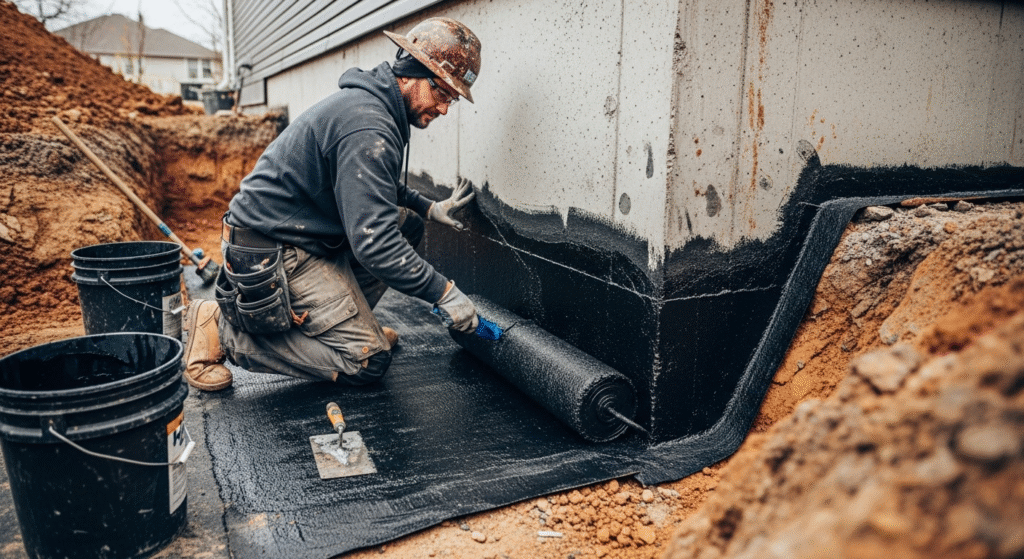
Qualified waterproofing contractors work in alignment with Ontario Building Code Section 9.14 (Dampproofing and Waterproofing) and ensure each phase meets engineering and inspection benchmarks. They also coordinate with architects and project engineers to select systems—such as crystalline, bituminous, or sheet membrane waterproofing—that meet both structural and compliance requirements.
A professional partner will also document installation stages, material data, and test results for each phase of waterproofing, helping developers maintain a clear compliance trail for municipal inspections and future audits.
The Value of Long-Term Performance and Warranty Protection
Not all waterproofing systems perform equally over time. Material selection, workmanship, and maintenance plans all influence how long the system will remain effective. Developers prioritizing longevity typically select materials that are resistant to freeze-thaw cycles and have a proven performance record under Ontario’s climate extremes.
High-quality waterproofing membranes combined with proper drainage design can significantly extend a structure’s lifespan. The National Research Council of Canada has found that foundations protected by multi-layer waterproofing systems can maintain integrity for over 25 years with routine maintenance.
For developers, this means fewer warranty claims, reduced liability, and stronger post-construction relationships with investors and occupants. It also underscores the value of partnering with established waterproofing Toronto experts who understand both the engineering requirements and long-term performance expectations in the local environment.
Coordination Between Trades: The Hidden Success Factor
Even with the best materials, waterproofing success depends on precise coordination between trades. Excavation crews, formwork teams, and waterproofing specialists must work in unison to maintain installation quality and sequencing.
When schedules are misaligned, improper backfilling or premature concrete curing can compromise entire sections of the foundation. Experienced waterproofing professionals develop collaborative project schedules that integrate seamlessly with general contractors and site managers.
This collaborative approach minimizes rework, ensures compliance with curing times, and maintains accountability across all phases of construction. For large-scale or phased developments, such efficiency can save weeks in scheduling and significant overhead costs.
Conclusion
Developers and builders operating in Toronto’s competitive construction market understand that reputation is built on reliability. Waterproofing failures not only damage structures—they undermine confidence from clients, lenders, and future buyers. By investing in proper design, code-compliant materials, and dependable contractors, developers can protect both their projects and their brand integrity.
In an industry where trust is built from the ground up, strategic waterproofing decisions are the foundation of long-term success.
Additional Resources
For project-specific applications, explore exterior waterproofing options designed for Toronto’s variable weather and soil conditions.
