
Transportation engineering is evolving faster today than at any point in history. As electric vehicles (EVs), connected networks, autonomous systems, and data-driven mobility solutions mature, our transportation systems are moving far beyond traditional road design. The future of transportation engineering will be defined by innovation, sustainability, and a complete rethinking of how people and goods move across cities.
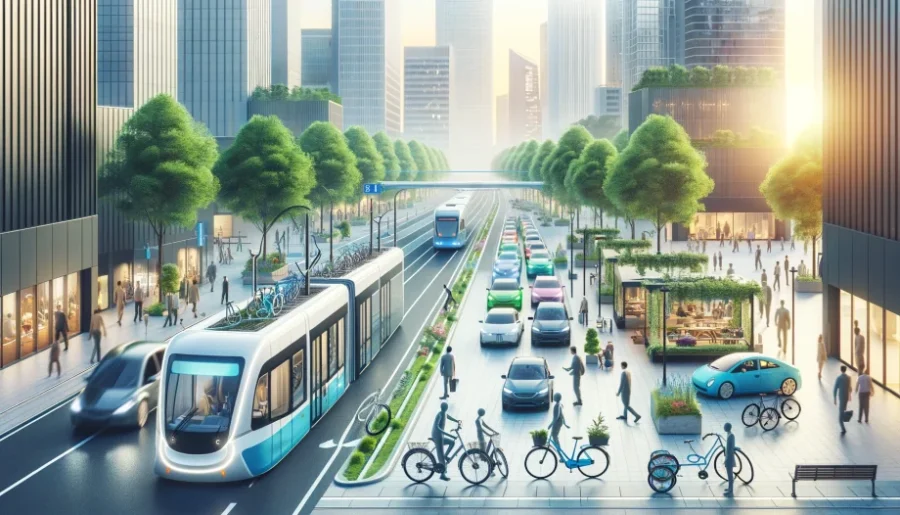
In shaping that future, civil engineering departments—public and private—are playing a critical role. Organizations involved in large-scale infrastructure planning, including those working in TDOT civil engineering, continue to influence how next-generation mobility systems integrate into modern communities. Their work helps guide infrastructure upgrades, safety improvements, and long-term planning that supports the transition to smarter, greener, and more resilient transportation networks.
Below, we explore the most transformative future of transportation engineering predictions, focusing on the rise of EVs, Mobility as a Service (MaaS), and smart-city technologies that will redefine mobility over the next decade.
1. Electric Vehicles (EVs) Will Reshape Infrastructure Design

EV adoption is accelerating globally. This shift demands an entirely new approach to roadway design, power distribution, and charging station placement. Instead of planning only for fuel stations and parking capacity, engineers now must predict:
- Future charging demand along highways
- Integration of high-speed charging corridors
- Grid resilience and renewable energy distribution
- Safe design considerations near energy-rich infrastructure
The future of transportation engineering will rely heavily on interdisciplinary collaboration between electrical engineers, urban planners, and transportation experts. One of the biggest challenges ahead will be ensuring that EV charging is not just widely available but also fast, safe, and energy-efficient.
Key Predictions:
- Solar-powered EV charging plazas will become common.
- Cities will adopt curbside charging integrated into streetlights.
- Battery-swapping networks may complement traditional charging.
EVs won’t just change how cars are powered—they will transform how highways, parking structures, and logistics networks are designed.
2. MaaS (Mobility as a Service) Will Replace Traditional Transport Models
Mobility as a Service (MaaS) aims to unify all forms of transportation—from buses and trains to bikes, scooters, robotaxis, and ridesharing—into one digital platform. Instead of relying on personal vehicles, users will be able to plan, book, and pay for multimodal trips through a single interface.
Engineering Impacts:
- Redesigning streets to support mixed mobility (micromobility lanes, autonomous shuttles, dynamic pickup zones).
- Data-driven traffic flow optimization.
- Integrating transportation demand modeling with real-time analytics.
MaaS will also influence land-use planning, as cities may need fewer large parking areas and more transit hubs. Engineers will use AI-powered predictive models to estimate demand, reduce congestion, and improve safety.
3. Smart Cities Will Drive the Next Transportation Revolution
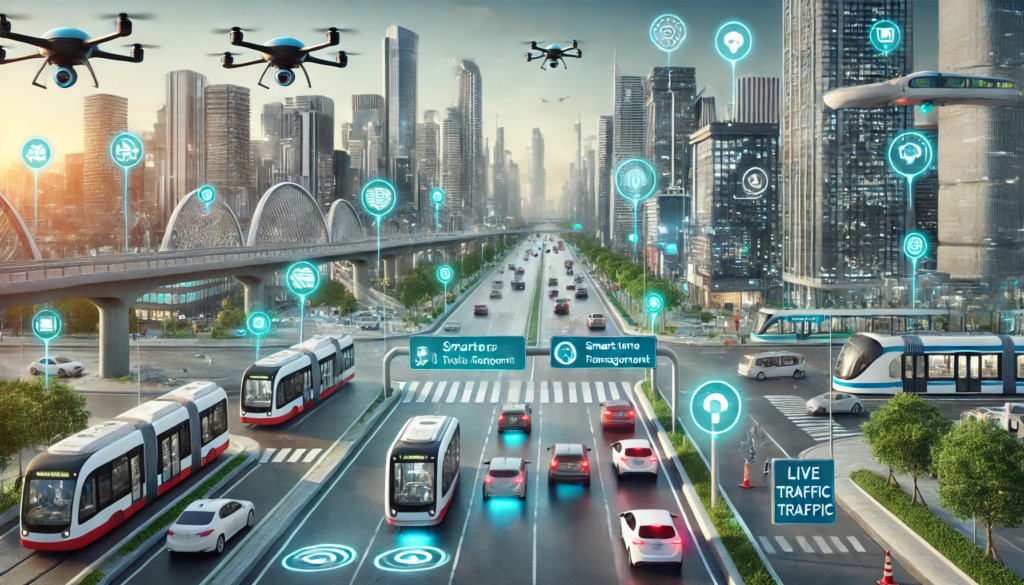
Smart cities rely on connected infrastructure to manage traffic, monitor safety, and optimize mobility. The future landscape will include:
- Adaptive traffic signals that respond to congestion
- Roadside sensors providing real-time hazard alerts
- Connected vehicle technology enhancing safety
- Autonomous transit fleets improving accessibility
For transportation engineers, this means designing data-rich environments where infrastructure is no longer passive—it actively communicates.
Smart City Predictions:
- Digital twins will become standard for city-wide planning.
- AI will help predict collisions before they occur.
- Autonomous freight lanes will optimize goods movement.
Smart cities will blur the lines between engineering, data science, and urban design.
4. Autonomous Vehicles Will Demand New Design Standards
Autonomous vehicles (AVs) are progressing steadily. Even partial automation is reshaping road safety and geometric design standards. Engineers will need to:
- Adjust lane widths for AV precision
- Incorporate sensors into roadways
- Redesign intersections for autonomous flow
- Evaluate new materials compatible with machine vision
The future of transportation engineering predictions consistently highlight AVs as a catalyst for change. A world where most cars communicate with each other and the roadway will fundamentally shift how traffic operates.
5. Climate-Resilient Infrastructure Will Become Mandatory
With rising temperatures, extreme weather, and evolving sustainability goals, transportation engineering is moving toward resilience-focused design. This includes:
- Permeable pavements
- Flood-resistant bridges
- Carbon-neutral construction materials
- Green corridors for heat reduction
Future infrastructure must not only support mobility—it must protect communities.
6. Advanced Data Analytics Will Power Transportation Decision-Making
The transportation systems of tomorrow will rely on massive datasets from:
- Connected vehicles
- GPS travel patterns
- Public transit sensors
- Urban IoT devices
Engineers will use predictive analytics to optimize:
- Traffic operations
- Construction phasing
- Infrastructure maintenance schedules
- Multi-modal integration strategies
Data will allow cities to adapt quickly to population growth, travel behaviors, and emerging technologies.
7. The Future Workforce Will Be More Interdisciplinary
Transportation engineering will require expertise across:
- Civil engineering
- Environmental science
- Data analytics
- Electrical engineering
- Computer science
- Urban planning
Tomorrow’s engineers must understand technology ecosystems—not just concrete and asphalt.
Final Thoughts: A Connected, Electric, and Intelligent Future
The transformation already underway signals a new era in mobility. The future of transportation engineering will be defined by electric vehicles, smart infrastructure, MaaS integration, and sustainable design. These innovations will create safer, faster, cleaner, and more efficient transportation systems for generations to come.
As agencies and engineering firms help shape upcoming projects, the role of forward-thinking planning—often influenced by entities working in areas like TDOT civil engineering—will be essential in guiding cities toward connected, intelligent, and resilient transportation frameworks.
The next decade will be one of the most important in engineering history, and the predictions outlined here highlight just how revolutionary the future will be.
