
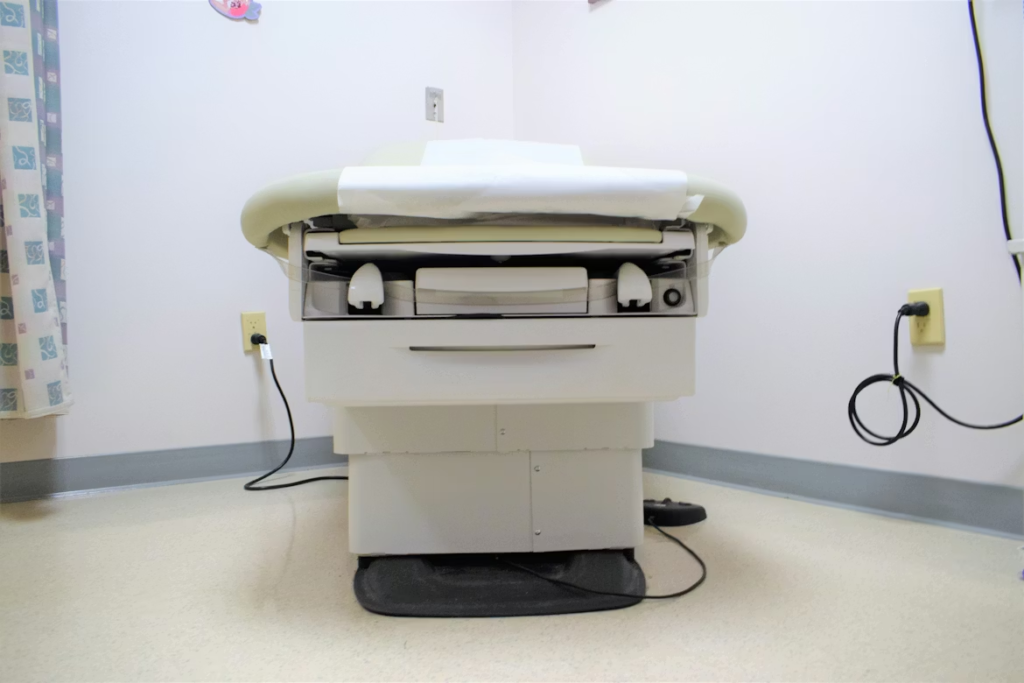
The medical exam table is among the most frequently used pieces of equipment in any healthcare setting, yet it is often overlooked in discussions of patient experience and clinical outcomes. From the moment a patient enters the exam room to the final diagnosis, this essential surface plays a quiet but powerful role in shaping comfort, trust, efficiency, and accuracy. A thoughtfully chosen medical exam table can elevate the entire care experience, while a poorly designed or outdated one can unintentionally create barriers to quality care.
First Impressions and Patient Confidence
Patients form opinions quickly, and the exam room is no exception. The condition and appearance of the medical exam table immediately signal the level of care a practice provides. A clean, modern table conveys professionalism, safety, and attention to detail. Patients who feel confident in their surroundings are more likely to relax, share concerns openly, and participate actively in their care. Comfort also matters greatly at this stage. Proper padding, smooth surfaces, and stable construction help reduce anxiety, especially for patients who may already feel vulnerable or nervous. When patients are physically at ease, emotional trust often follows, creating a stronger foundation for effective communication and accurate assessments.
Supporting Clinical Workflow and Efficiency
Beyond patient perception, the medical exam table directly affects how efficiently clinicians work. Adjustable height features allow providers to position patients correctly without unnecessary bending or strain, helping maintain proper ergonomics throughout the day. Over time, this reduces fatigue and supports consistent performance. Functional design elements such as easy-to-clean surfaces, built-in paper roll holders, and accessible storage contribute to smoother workflows. When clinicians can move seamlessly through an exam without interruptions, appointments feel more organized and focused. This efficiency benefits both staff and patients, allowing providers to spend more time on care and less time managing equipment limitations.
Enhancing Accuracy and Inclusivity in Diagnosis
Accurate diagnosis often depends on proper positioning and accessibility, both of which are influenced by the medical exam table. Tables that offer precise adjustments make it easier to conduct thorough physical exams, minor procedures, and diagnostic evaluations. Small details, such as stability and positioning flexibility, can improve visibility and access, helping clinicians identify subtle signs that might otherwise be missed. Inclusivity is equally important. Exam tables designed to accommodate patients of varying mobility levels promote safety and dignity for everyone. When patients can get on and off the table with minimal effort or assistance, exams proceed more smoothly, reducing stress and supporting better clinical outcomes.
In the end, the impact of the exam room extends far beyond what patients initially see, and the equipment within it plays a defining role in care quality. When comfort, accessibility, and functionality come together, both patients and clinicians benefit from smoother interactions and more reliable outcomes. Investing in well-designed medical exam tables is not just about upgrading furniture; it is about reinforcing trust, improving efficiency, and supporting accurate diagnoses that lead to better patient experiences and stronger clinical results.
