
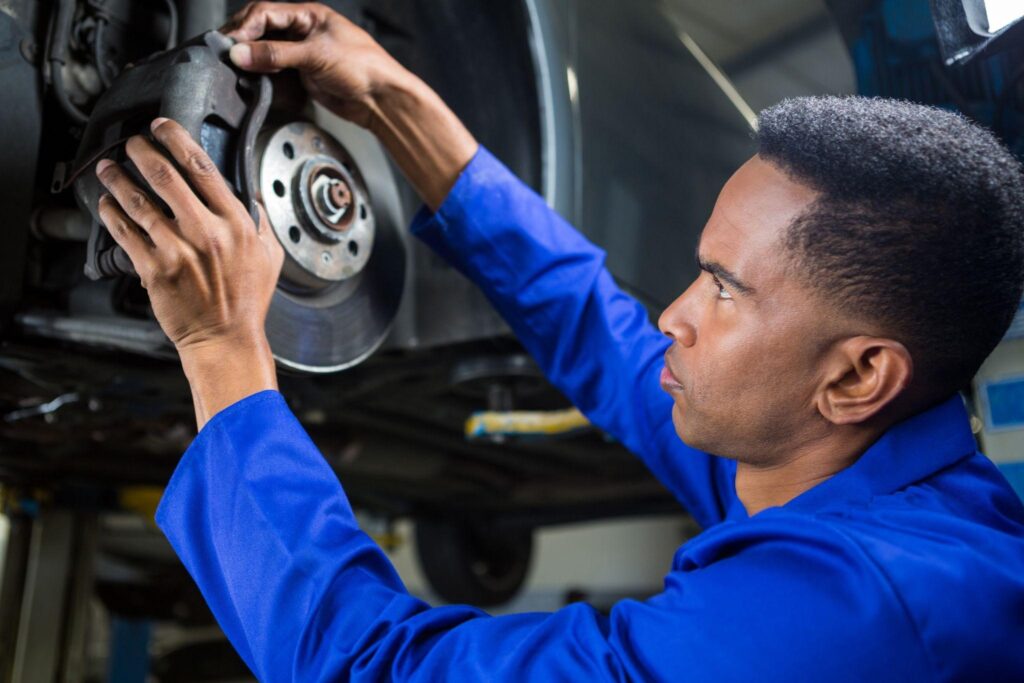
BMW brakes are designed for precision, control, and safety, not just to stop the car but to enhance the driving experience. Because of this performance-focused design, BMW braking systems need more attention than the average vehicle, especially when driven daily.
If you drive around Alpharetta, Georgia, you already know how mixed the roads can be. A quick run on GA 400, frequent stops near office buildings, shopping areas, and schools, and then quieter neighborhood streets—all of that adds up.
Your brakes are constantly working. If you are from this region, you can Google search for “BMW Tuning in Alpharetta, Georgia.” It is always best to go for regular checkups and choose a local shop that truly understands these driving conditions.
What Differentiates BMW Brakes from Those of Regular Cars?
BMW does not manufacture brakes using a universal approach. Their braking systems are designed to provide:
- Quick response times
- Smooth and confident pedal feel
- Strong stopping power at higher speeds (Stopping Distance Table)
This high, high-performance-oriented configuration is what makes a BMW so controllable on the road, but it also implies that the components have to be checked more frequently.
Top Reasons Why Your BMW Needs Special Attention
Brake Pads Wear Faster Than Expected
Many BMW owners will eventually notice this. BMW uses softer brake pad materials to improve grip and reduce stopping distance. The result is better control, smoother braking, and a safer driving experience.
However, this added performance comes with a trade-off. Softer pads naturally wear out faster than the harder pads used in most regular cars. This quicker wear is not a defect or a problem—it is simply part of how BMW prioritizes performance and safety. Regular brake checks help ensure the system continues to work the way it was designed to.
Brake Sensors Change the Way You Maintain BMWs
Most BMW models rely on electronic brake wear sensors instead of regular visual checks. These sensors continuously monitor how much life is left in the brake pads and take the guesswork out of maintenance.
By tracking pad wear in real time, the system can alert you on the dashboard when it is time for a replacement. This helps BMW owners address brake issues early, avoid uneven wear, and maintain consistent braking performance without waiting for problems to show up physically.
Driving Style Impacts Brake Life
Definitely, your driving habits can greatly influence the situation. Common local conditions, such as heavy commuter traffic, frequent short trips, and sudden braking near intersections, can significantly shorten brake life. Smooth braking and maintaining safe following distances can help extend the life of your braking components.
High Heat Levels Impact the Performance of Brake Systems
Energy in the form of heat is generated with every braking action.
Too much heat can lead to:
- Brake fade: This occurs when the rotors become warped, resulting in less effective stopping.
- Warped rotors
- Reduced stopping efficiency
Keeping brake fluid fresh and replacing worn parts on time helps control heat buildup and protects the entire braking system.
What Happens When Brake Maintenance Is Delayed?
Postponing brake service can escalate the issue significantly.
Ignoring your brakes for too long might cause the following problems:
- Rotor damage
- Reduced braking confidence
- Higher long-term repair costs
Early brake service makes your BMW safer and more economical, and timely BMW tuning supports better overall performance and longevity.
Key Takeaways
- BMW brake systems are designed primarily for excellent performance rather than for maximum lifespan.
- It is both normal and intentional that brake pads wear out faster.
- You must not take brake sensor warnings lightly under any circumstances.
- Your local driving environment plays a significant role in how long your brakes will last.
- Proper, timely, and professional maintenance can significantly contribute to safety as well as your confidence in driving.
