
In an industry that is highly competitive, many SaaS businesses are finding it increasingly difficult to stand out from the crowd. For SaaS providers aiming for growth in the coming year, this is a major challenge. So, how do they position themselves head and shoulder above the rest?
Infrastructure is the differentiator among these SaaS businesses. Solutions such as USA dedicated servers are ideal for resource-intensive applications, where reliable performance and security are key.
What Are Dedicated Servers and How Do They Work?
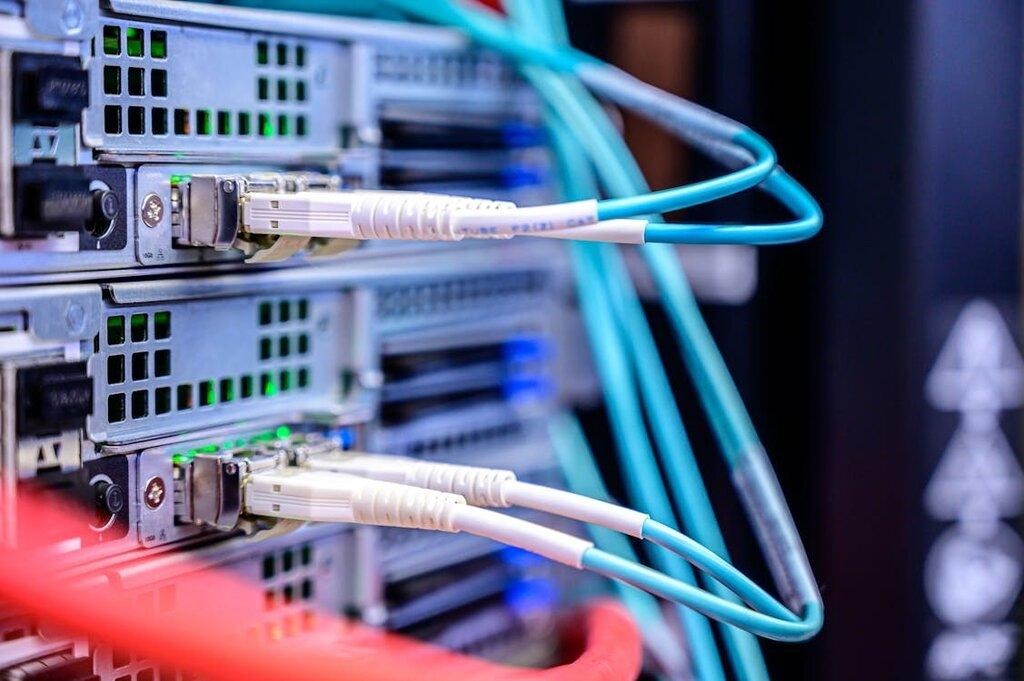
A dedicated server is simpler than it sounds. It’s essentially a physical computer unit within a data center allocated to a single user or business. Dedicated servers are a type of hosting designed specifically for the needs of a single user or organization.
Among the numerous benefits mentioned, dedicated servers also provide a unique IP address, which gives users an individual identity online. The alternative is to use a shared server, where more than one user shares the resources of a single server.
Which one a business chooses depends entirely on its needs and budget. Whilst the shared server option is more affordable, dedicated servers offer faster load times, larger storage capacity, enhanced security, and are customisable.
What Saas Platforms Need as They Grow?
If scalability is the goal, there are a few essentials that SaaS businesses need to have in place. Firstly, fast and reliable performance for users is a must. As technology advances, we have less and less patience for lagging load times and poor connectivity. The hallmark of a premium SaaS platform is its ability to handle whatever comes its way, such as increased user numbers.
With a higher number of users, businesses can expect to encounter larger amounts of data through their websites. The infrastructure in place has to be able to cope with increased traffic and deal with data in a secure and compliant way.
When to Choose a USA Dedicated Server?
If your client base is predominantly from one area, such as the US. Choosing a dedicated server (USA) means that your customers from that region are more likely to encounter faster load times and enjoy a better user experience.
Data protection regulations also vary from country to country. Therefore, using dedicated servers can help to ensure compliance in a specific region.
Benefits of Using American Dedicated Server Hosting?
Does location really matter? Well, yes, it does. For US-based SaaS businesses, the benefits of using American dedicated server hosting far outweigh those of choosing dedicated servers outside the country. Here are a few of the advantages of keeping your server hosting local.
High performance
Where your dedicated server is hosted in relation to your customer base determines your website’s performance. If data must physically travel a longer distance to reach users, it impacts load times. So, if you are paying a premium for a dedicated server, then it makes sense to have it located as close to your customer base as possible.
Sticking to the theme of performance, faster page speed reduces a website’s bounce rate. Slow-loading sites often have higher bounce rates as users exit the website before it fully loads. However, who can blame them if the information they need to access is taking its time to appear on the page?
Fast-loading sites, on the other hand, benefit from being picked up by search engine website crawlers. These crawlers are responsible for discovering content and ranking website pages. Therefore, slow-to-load sites can risk dropping down search engine rankings, losing all-important online exposure.
Scalability
When thinking about scaling up, SaaS businesses need to know that their server can handle the demands of increased traffic and data processing before taking the next steps. There is nothing worse than proceeding with the expansion, ill-equipped with a website that is not fit for purpose performance-wise.
Unlike global shared servers, US dedicated servers offer unique resources and exclusive power that won’t be slowed down by other users all over the world. This gives SaaS companies with ambitions to expand nationally the confidence to go full steam ahead with their growth plans.
Dedicated servers accommodate options for either scaling up (vertical scaling) or scaling out (horizontal scaling). Vertical scaling ramps up the power of a single unit by adding extra resources, such as memory or network speed, to ensure the server can cope with increased demand.
If a SaaS business predicts massive growth, horizontal scaling can help balance the load by adding one or more additional servers. This requires more expertise to implement and to distribute workloads across multiple servers, which is reflected in the costs.
Security features
As a dedicated server is not shared by other users, this means that you are not at risk of being affected by their vulnerabilities, such as malware spreading. Moreover, if having higher levels of security is paramount, websites hosted on a dedicated server can benefit from custom-built, enhanced security features.
Dedicated servers in the US typically have round-the-clock intrusion monitoring, specially trained security staff, encrypted logins, solid-state drives, and firewalls. Network segmentation is another tactic used that enables quick response and isolation in the event of a cyberattack.
Compliance
A dedicated server hosted in the US will be compliant with national regulations concerning data protection. This gives SaaS business owners the peace of mind that their website is abiding by US laws rather than less specific global guidelines.
Control and customization
To position a business above its competitors, websites need to be custom-built, offering its users better performance, special features, and enhanced accessibility. Dedicated servers allow for increased flexibility when it comes to customizing and controlling website functionality.
Furthermore, a SaaS business’s customer base may differ from that of another. Therefore, the location of your dedicated server matters. Having a dedicated server in close proximity to your target audience gives you more control over user experience.
Tips For Smooth Scalability on Dedicated Servers
If scaling up is on the cards for your SaaS business, the earlier you plan for expansion, the better. Ideally, you should be anticipating an increase in traffic to your website when selecting your server configuration. This allows you to be prepared for an influx of data and visitors to your website.
Consider load balancing if you are looking to scale up significantly. Load balancing involves sharing out traffic among multiple servers to prevent performance lags during peak usage times.
Ensure that software and firmware are regularly updated and that you have a backup strategy in your back pocket. Nothing can derail planned expansion quite like security breaches and data loss. If opting for an unmanaged dedicated server, it is the user’s responsibility to carry out updates, whereas with managed dedicated servers, this service is often included.
Finally, choosing a flexible hosting provider for your SaaS company ensures smooth scalability and responsive technical support. Infrastructure should adapt to your business, not hinder your plans for growth.
What’s Next for SaaS Infrastructure?
As the SaaS industry continues to expand and evolve, it’s only natural that infrastructure develops to facilitate this growth. With SaaS companies already adopting emerging technologies and hybrid approaches, such as AI and automation, the need for dedicated servers has never been greater.
Implementing AI and automation in SaaS workflows requires significant power and storage space that shared servers may struggle to accommodate. Therefore, to ensure consistent performance, dedicated servers are the future for successful SaaS businesses.
