
Key Takeaways
- Alternative investments encompass assets beyond traditional stocks and bonds, offering diversification opportunities.
- Common types include private equity, real estate, commodities, and hedge funds.
- Investing in alternatives requires understanding their unique characteristics, potential risks, and benefits.
Alternative Investments Defined
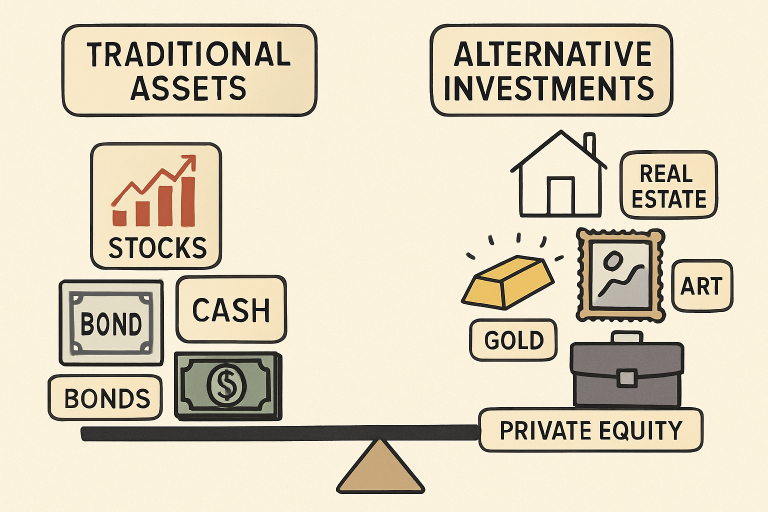
Alternative investments are assets that sit outside traditional investments such as stocks, bonds, and cash. These encompass both physical assets, such as real estate and commodities, and financial assets, such as private equity, hedge funds, and cryptocurrencies. While traditional investments are directly tied to standard market trends, alternative investments often offer different risk-return profiles and can react independently of public market cycles, providing enhanced insulation in volatile periods. For many, exploring these options can unlock access to private investments not open to the average investor, broadening the horizon for building wealth.
Diversification is one of the principal appeals of alternative investments. By incorporating alternatives into a portfolio, investors can reduce the correlation with mainstream assets, thereby potentially lowering overall portfolio risk. The allure also lies in the unique opportunities and potential for higher returns that many alternative asset classes offer, which are often inaccessible through more traditional avenues.
These investments, however, come with their own set of complexities. Unlike publicly listed assets, where information is widely available and regulation is robust, alternative investments tend to require deeper due diligence, a greater understanding of risk factors, and careful consideration of liquidity constraints.
The alternative space has grown rapidly in recent years, fueled by greater market access and technological advancements. Yet, investors must weigh the varying characteristics, including risk, return potential, and liquidity profile, of each alternative asset class before committing capital.
Types of Alternative Investments
The landscape of alternative investments is broad, but the most prevalent categories include:
- Private Equity: Direct investments in private companies, frequently through venture capital or buyout strategies. These opportunities often have higher barriers to entry and demand a long-term commitment of capital.
- Real Estate: Involves either direct ownership of property or investing in vehicles like real estate investment trusts (REITs). Real estate offers steady cash flows from rent and the potential for property appreciation.
- Commodities: Physical goods such as gold, oil, or agricultural products. Commodities can act as a hedge against inflation and global market fluctuations.
- Hedge Funds: Pooled investment funds that adopt a diverse set of strategies to seek positive returns independent of market conditions. They are typically accessible only to accredited investors and come with substantial management fees.
- Collectibles: Tangible assets like art, rare wines, and antiques. Collectibles can appreciate significantly over time, but valuation and liquidity can be significant challenges.
For a deeper understanding of each of these asset types and how they integrate into an investment strategy, investors may consult Investopedia’s resources, which offer comprehensive overviews and beginner guides.
How to Invest
Investing in alternative assets demands thoughtful planning and a solid understanding of each asset’s entry requirements, available investment vehicles, and tax implications. Gaining access to private investments is a key part of this process, as it allows investors to explore opportunities beyond traditional markets while navigating the unique considerations these assets present. By combining careful research with strategic access, investors can make informed decisions that optimize potential returns while managing the specific risks and complexities associated with alternative investment options.
Determine If You Qualify as an Accredited Investor
Many alternative opportunities, including private equity, hedge funds, and venture capital, are limited to accredited investors. In 2025, you qualify as an accredited investor if you satisfy at least one of these conditions:
- Income Requirement: You must earn $200,000 or more annually ($300,000 with a spouse or partner) for the past two years and anticipate the same for the current year.
- Net Worth Requirement: Your net worth should exceed $1 million, excluding your primary residence.
- Financial Professional Qualification: Certain financial licenses, for example, Series 7, 65, or 82, may confer accredited status.
If you do not meet these thresholds, specific platforms still allow non-accredited investors to participate in alternatives by offering fractional shares and lower minimums, though options will generally be narrower.
Research and Due Diligence
Meticulous research is essential. You need to grasp the intricacies of each asset category, understand market trends, and beware of the risks involved. Leveraging guidance from professional financial advisors or using reputable online investment platforms is highly advisable for making informed decisions.
Choose the Right Investment Vehicle
You can choose from several approaches, such as investing directly in the asset or through a pooled investment fund. Real estate, for instance, can be accessed via direct property ownership or more liquid vehicles like REITs. The right choice depends on your risk appetite, liquidity needs, and investment horizon.
Understand the Tax Implications
Alternatives can bring complex tax issues. Private equity holdings, for example, may generate various income streams, all taxed differently. Consulting a tax professional before investing is strongly recommended to help manage liabilities and optimize your after-tax returns. The Internal Revenue Service (IRS) provides valuable information and resources on how different investment types are taxed in the United States.
Pros & Cons of Alternative Investments
As they continue to grow in popularity, a balanced perspective on the strengths and limitations of alternative investments is necessary.
Pros:
- Diversification: Alternatives often show minimal correlation with stock and bond markets, potentially reducing overall portfolio risk.
- Potential for Higher Returns: Some alternative assets, such as private equity, have historically outperformed public equity markets over long periods.
- Access to Unique Opportunities: Alternatives can provide entry to markets and strategies not typically available through standard investments.
Cons:
- Illiquidity: Many alternatives, especially private equity and some forms of real estate, are not easily converted to cash and may require investors to lock up their funds for years.
- Complexity: Alternatives usually require more specialized knowledge and thorough due diligence than basic mutual funds or ETFs.
- Higher Fees: The costs associated with management, performance, and structuring in alternative asset vehicles can be significant, potentially eating into returns.
In conclusion, alternative investments can play a vital role in modern portfolio construction, offering distinct opportunities and potential advantages not found in traditional markets. At the same time, investors should approach them with an appreciation for the intricacies each asset brings. Detailed research, professional advice, and a clear understanding of one’s financial objectives and risk tolerance are essential for effectively leveraging alternatives as part of a well-diversified, resilient investment strategy.
