
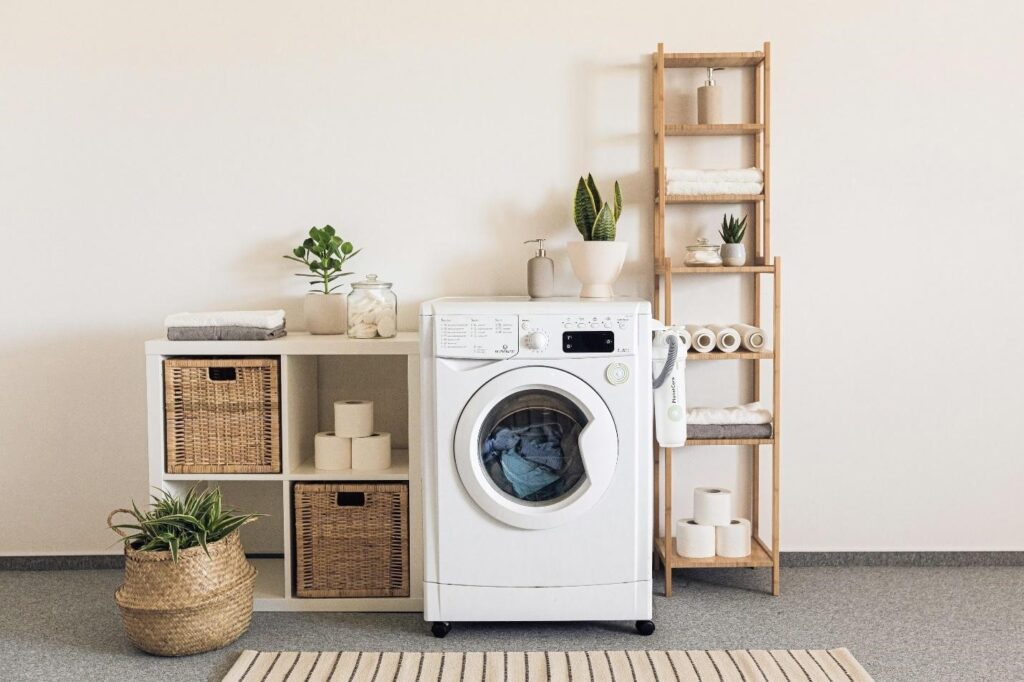
Laundry access plays a central role in residents’ daily experience in multifamily properties and corporate housing. Tenants expect clean, functional laundry facilities that support their routines without adding friction to daily life. For property managers, laundry is not simply an amenity. It is a core operational service that influences occupancy, resident satisfaction, and long-term property performance.
Expectations have increased across both long-term and short-term housing. Residents look for convenient and reliable laundry access from the moment they move in. Corporate clients also prefer housing solutions that reduce setup time and limit logistical complexity. In response, many housing providers evaluate options such as purchasing or renting laundry equipment to meet varying occupancy levels and service demands.
Understanding Laundry Needs in Multifamily and Corporate Housing
Laundry demand varies based on resident type and length of stay. Long-term tenants often prioritize consistency, privacy, and easy access. Short-term or furnished housing residents focus more on immediate availability and convenience. Corporate housing also requires solutions that work without long setup timelines or tenant involvement.
Flexibility and speed matter in both settings. Properties must support move-ins, move-outs, and changes in occupancy without creating service gaps. Some providers consider renting washers and dryers as one approach to address fluctuating demand and temporary housing needs. This option can reduce delays while supporting operational continuity.
Laundry planning should not happen in isolation. Property teams should treat it as part of overall service management. Coordination with leasing, maintenance, and facilities teams helps ensure laundry access supports resident experience and operational efficiency.
In-Unit vs. Shared Laundry Facilities: Key Considerations
In-unit laundry is highly appealing to many tenants. It increases convenience and often supports higher rents or faster lease-ups. Residents value privacy and the ability to wash their own clothes on their own schedule. However, in-unit setups require sufficient space, plumbing, and electrical capacity in each unit.
Shared laundry rooms remain common in multifamily properties. They allow centralized management and can serve a large number of residents efficiently. Shared facilities may reduce per-unit installation costs, but they can also create scheduling challenges during peak hours. Cleanliness and equipment reliability play a major role in resident satisfaction.
Corporate housing and extended-stay units often favor in-unit solutions when feasible. Temporary accommodations benefit from setups that minimize shared spaces and simplify daily routines.
Cost Structures and Budgeting for Laundry Solutions
Cost considerations influence every laundry decision. Purchasing equipment requires upfront capital and long-term depreciation planning. Property owners must also account for installation costs, utility connections, and compliance requirements. These expenses can strain budgets, especially during expansions or renovations.
Ongoing operational costs include maintenance, repairs, and eventual replacement. Equipment failures can lead to unplanned spending and service interruptions. Some cost models offer more predictable monthly expenses, which can simplify budgeting and financial forecasting.
Different approaches affect cash flow in distinct ways. Large one-time investments reduce future payments but increase initial risk. Spreading costs over time can support flexibility and preserve capital. Property managers should evaluate how each model fits their financial structure and occupancy patterns.
Operational and Maintenance Responsibilities
Laundry equipment requires consistent upkeep to remain reliable. Day-to-day responsibilities include cleaning, routine inspections, and addressing minor issues before they escalate. When equipment fails, residents notice quickly. Downtime can lead to complaints and lower satisfaction scores.
Staffing plays a key role in maintenance planning. Some properties rely on in-house teams, while others coordinate with third-party service providers. Clear response timelines and service standards help prevent prolonged disruptions.
Reliable maintenance planning supports smooth operations across multifamily and corporate housing environments. Properties that plan ahead reduce emergency repairs and protect resident trust. Laundry services function best when teams treat them as essential infrastructure rather than optional amenities.
Scalability and Flexibility for Changing Occupancy
Multifamily properties and corporate housing often face changing occupancy levels. Corporate relocations, project-based housing, and seasonal demand can shift unit usage quickly. Laundry solutions must adapt without disrupting daily operations. Fixed installations can limit flexibility when properties expand, renovate, or reduce the number of available units.
Scalable planning allows managers to adjust laundry capacity based on current needs. Properties can support temporary housing setups or phased leasing without excess equipment. Flexible solutions also reduce downtime during transitions. When managers plan for change, they protect service consistency and control operational costs across different occupancy cycles.
Compliance, Safety, and Tenant Experience
Laundry solutions must align with local regulations and building safety standards. Proper electrical capacity, ventilation, and water connections reduce operational risks. Regular maintenance and inspections help prevent service interruptions and safety issues. Clear signage and usage guidelines also support shared laundry environments.
Tenant experience depends on reliability and accessibility. Equipment downtime can affect satisfaction, especially in high-density buildings. Corporate housing residents often expect quiet operation and easy access. When properties meet safety requirements and maintain reliable service, they support positive resident experiences and long-term retention.
Sustainability and Resource Efficiency in Laundry Planning
Laundry equipment influences water and energy consumption across a property. Inefficient machines can increase utility costs and strain building systems. Property managers should consider efficiency ratings, load size, and expected usage when evaluating options. These factors affect both environmental impact and operational expenses.
Resource-efficient planning supports sustainability goals while maintaining service quality. Many residents value responsible resource use, especially in modern housing environments. Efficient laundry solutions also help properties manage long-term costs. A focus on sustainability strengthens operational planning and aligns laundry services with broader building management strategies.
Making an Informed Decision for Your Property Type
Selecting a laundry solution requires careful evaluation of property needs. Multifamily buildings and corporate housing differ in scale, lease duration, and resident expectations. Managers should assess infrastructure readiness, usage demand, and maintenance capacity before choosing an approach.
Important considerations include budget structure, operational workload, and service reliability. Laundry decisions also affect leasing appeal and resident satisfaction. A structured evaluation process helps avoid costly adjustments later. When property managers align laundry planning with property goals, they create efficient, dependable services that support long-term performance.
Laundry solutions remain a core operational service in multifamily properties and corporate housing. Thoughtful planning supports flexibility, compliance, and sustainability. Property managers who evaluate long-term needs can maintain reliable service and control costs. Well-informed decisions help properties adapt as housing demands continue to evolve.
