
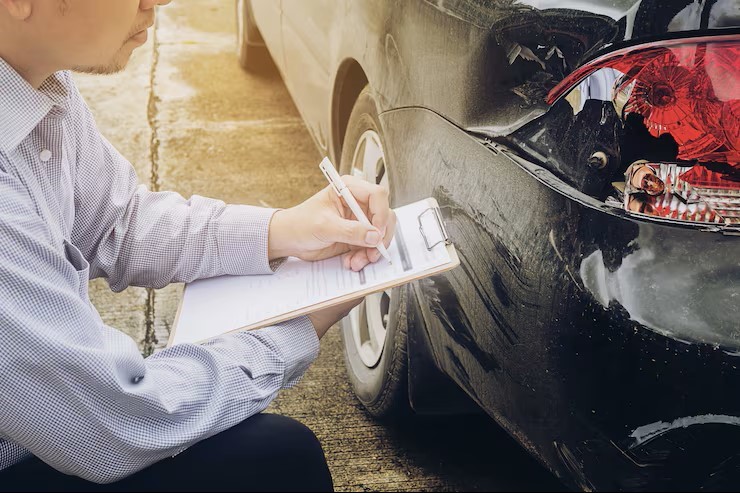
A totaled vehicle is one that costs more to repair than it is worth, so insurance adjusters focus on value rather than repair costs. Their goal is to determine the car’s actual cash value immediately before the crash, not the cost of a new one.
In most claims, the owner ends up selling your car to the insurance company after it is declared a total loss, and the payout is based on that pre-crash value rather than what you paid for it.
This process can be confusing because two vehicles that appear identical may receive very different offers, yet adjusters rely on specific, measurable data points.
What is Actual Cash Value?
Actual cash value (ACV) is the market value of a vehicle minus depreciation. It reflects what a comparable car would have sold for in the local market at the time of the wreck.
Adjusters use vehicle databases, recent sales data, and dealer listings to arrive at this number. They do not use replacement cost, which is the price of a brand-new unit or a newer model.
How do Mileage and Condition Affect Value?
Mileage is one of the strongest value drivers. A car with 40,000 miles is typically worth far more than the same model with 120,000 miles because it has more usable life left.
Condition matters just as much. An adjuster will review the paint, interior, tires, and mechanical condition, along with any service records. A clean car with a full maintenance history typically commands a higher ACV because it indicates the vehicle was well cared for.
Comparable Vehicle Sales
Insurance companies rely on comparable vehicles, or comps. These are vehicles of the same make, model, year, and trim that have recently sold in the market.
Some of the sources adjusters may use include:
- Dealer listings
- Online used car sales
- Auto auction results
These figures help establish what buyers are actually paying for comparable cars, creating a fair market baseline.
Prior Wear Versus Crash Damage
An adjuster will not reimburse you for damage that existed before the crash. That includes things like faded paint, dented panels, worn tires, or interior stains.
To distinguish between old wear and new damage, the vehicle is inspected and documented. Photographs and inspection notes show what was present before the accident and what was caused by the collision, so only accident-related losses are included in the settlement.
Vehicle Safety Features
Modern safety features can also influence value by affecting demand. Cars equipped with airbags, electronic stability control, blind-spot monitoring, and collision-avoidance systems tend to sell for more.
The National Highway Traffic Safety Administration reports that electronic stability control reduces fatal single-vehicle crashes by about 49 percent. Features that lower crash risk also increase resale value, which is why adjusters factor them into ACV calculations.
ACV and Salvage Value
Once a vehicle is declared a total loss, it still has some value. Insurers can sell it to a recycler or salvage yard for parts or scrap.
That salvage amount is deducted from the ACV to determine the final payment. A car with many usable parts, such as an undamaged engine or body panels, will have a higher salvage value, which lowers the net payout.
Industry Tools and Research Groups
Adjusters use specialized industry tools to calculate values, but those tools are built on data from independent research organizations.
One example is the Insurance Institute for Highway Safety, which studies vehicle performance, repair costs, and safety outcomes.
Key Takeaways
- ACV establishes the baseline value of your vehicle
- Mileage and condition directly affect pricing
- Comparable sales help determine market value
- Prior damage is excluded from reimbursement
- Safety features can increase demand
- Salvage value reduces the final payout
