
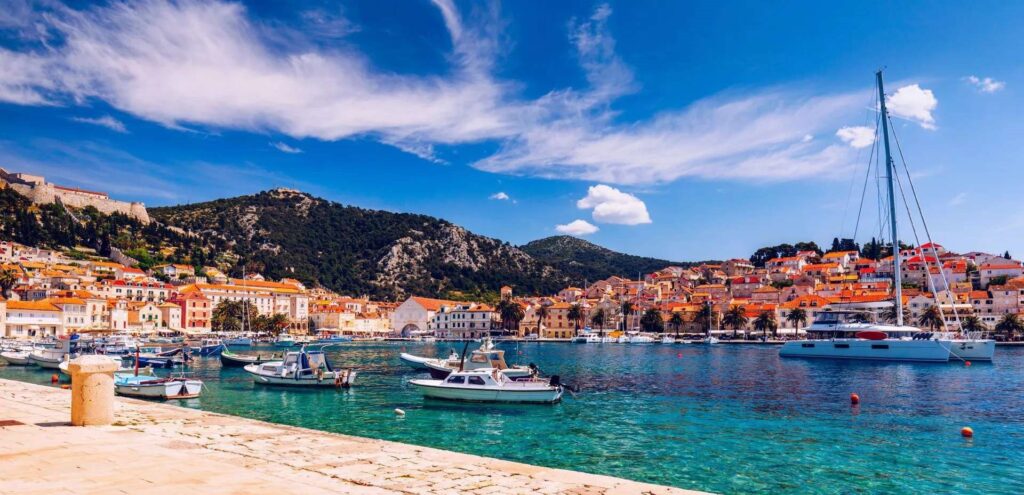
Destinations like Romania, Albania, Bulgaria, Montenegro along with North Macedonia have been drawing in steadily increasing interest from tour operators as well as local tourism boards. The combination of heritage cities, mountainous landscapes as well as coastal towns combined with a lower crowd density compared to Western Europe makes the Balkans an attractive destination for experience-first travel.
Small-Group Travel Continues to Outperform Traditional Packages
Small-group formats, usually consisting of 6 to 14 travelers, are becoming more and more considered the optimal compromise between completely independent travel and huge coach tours, according to tourism analysts. The tours often offer professional assistance as well as logistical support, but retain a far more personal, much less structured character.
Small-group experiences in the Balkans tend to emphasize regional depth and local pacing compared to traditional itineraries which focus on significant landmark stops. Family-owned wineries, rural craft workshops, village marketplaces and lesser known historic sites may be visited, and more time is set aside for discussion and cultural context.
Tourists Prioritize Cultural Access and “Real-Life” Experiences
A growing demand for authentic travel is a major driver behind the trend. More and more travelers are looking for ways to interact with local culture as opposed to just observe it from afar. In the Balkans, this may entail learning traditional cooking techniques in village houses, participating in local festivities, visiting monasteries as well as Orthodox heritage routes, and traveling to regions with rich folklore as well as artisan traditions.
The Balkans have a distinct advantage in this regard, according to industry professionals, as a result of the fact that numerous communities haven’t been reshaped around tourism in the exact same fashion as the heavily visited European capitals. Destinations that maintain their day to day rhythms and regional character are appealing to many visitors
Value and Flexibility add to the Balkans’ Competitive Appeal
Pricing remains a significant factor, along with cultural interest. Although prices differ depending on season and destination, visitors will usually find that accommodation, food as well as local transportation in most of the Balkans is still relatively cheap compared to Western European standards.
Tourism planners emphasize the region’s appeal isn’t exclusively based on budget considerations. The Balkans are becoming more and more seen as a premium value destination where visitors are able to take pleasure in boutique hotels, curated happenings along with top – notch dining without experiencing the intense crowding or cost inflation which plague some well known European routes.
The sector is also growing because itineraries can be adapted. Many small group offerings allow for flexibility based upon seasonality, interest themes as well as pace, such as trips that combine several countries into one trip.
Demand Rises for Curated Itineraries as well as Local Expertise
Curated balkan tours have grown to be more about guided storytelling, cultural interpretation as well as relationship-based access to local communities, as operators have diversified their offerings. According to tourism insiders, this approach is enhancing the reputation of the Balkans as a destination where tourists are able to experience heritage in a real – life setting instead of through routine sightseeing.
Balkan Trails Among Operators Supporting the Shift
Balkan Trails is one of the companies driving small-group travel development by creating guided itineraries throughout the region showcasing local culture, natural landscapes as well as community experiences. The company is one of a number of operators responding to the need for trips which combine comfort as well as structure with authenticity and cultural access.
