
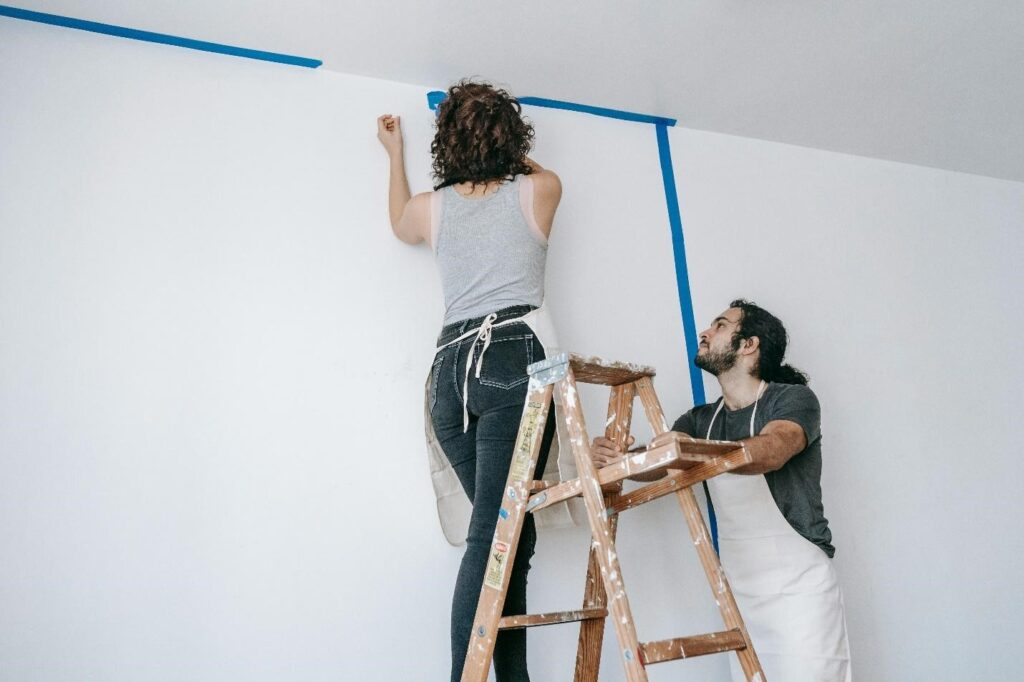
You don’t usually blame the walls when a room feels off, but you feel it anyway; that low irritation when the light looks wrong, or the space feels tired even after it’s been cleaned. Everything is technically fine, yet the room never quite settles into something comfortable.
After years around homes, you start to see how paint quietly shapes daily routines. Not in dramatic before-and-after ways, but in smaller patterns. How long do people stay in a room? Where they choose to sit. Which spaces feel calm, and which ones get avoided? Paint isn’t decoration in the background. It’s part of how a house behaves.
The Slow Way Color Shapes Daily Habits
Paint works on people over time, not all at once. A shade that looked fine on a sample card can start feeling heavy when it covers four walls and gets hit with artificial light every evening. Bright whites can feel sharp at night. Dark colors can close a room in more than expected. None of this is obvious on day one.
What happens instead is adjustment. People change how they use the space. They move furniture. They rely on lamps. They spend less time there without really noticing the reason. Over months and years, those small shifts add up. The room hasn’t failed, but it’s no longer helping daily life move smoothly.
The Role of Cabinets in How Your Interior Feels
Walls don’t exist alone. Cabinets, trim, and built-ins carry just as much visual weight, sometimes more. When those surfaces are ignored, even a well-chosen wall color can fall flat. Cabinets sit at eye level, catch light differently, and get handled constantly. Their finish affects how clean a space feels and how forgiving it is of daily use. Professional cabinet painters can help you understand how exactly your cabinet colors affect your home interior and how your home feels.
Many homeowners focus on walls first, only to realize later that cabinetry clashes or looks worn by comparison. This is especially true in kitchens and bathrooms, where painted cabinets dominate the room. Understanding how finishes age, how colors interact under changing light, and how prep affects durability is why people often turn to experienced painters when walls alone don’t solve the problem. It’s less about style and more about balance.
Light Changes Everything, And It Changes Daily
Natural light moves. Artificial light changes temperature throughout the day. Paint reacts to all of it. A color that feels warm in the morning can turn dull by evening. Another might look clean under daylight but feel harsh under overhead bulbs.
This matters more than people expect because most homes are used in pieces of time. Mornings are rushed. Evenings are slower. Weekends stretch out. If a room only feels good for part of that cycle, it starts getting avoided during the rest. Paint doesn’t just sit there. It participates in the rhythm of the house.
Finish Matters More Than People Think
Sheen gets less attention than color, but it affects daily living just as much. Flat finishes hide flaws but show fingerprints. High-gloss cleans easily but reflects every light source. Satin and eggshell land somewhere in between, forgiving but not invisible.
Choosing the wrong finish doesn’t ruin a room, but it adds friction. Walls need constant touch-ups. Cabinets show wear too fast. Trim looks uneven as light shifts. Over time, maintenance becomes annoying enough that people stop caring, and that’s when spaces start feeling worn down.
Wear Patterns Tell a Quiet Story
Paint wears where life happens. Around switches. Along hallways. Near cabinet handles. Those marks aren’t just cosmetic. They signal how a space is being used and whether the paint is holding up to it.
When paint fails early, people notice subconsciously. A room feels older than it is. Even new furniture doesn’t quite fix it. Good paint choices age slowly. Bad ones age loudly. That difference affects mood more than people admit.
Cleanliness And Color Perception Are Linked
Certain colors hide dust. Others highlight it. The same goes for scuffs and smudges. When walls constantly look dirty, even if they aren’t, people clean more or feel like they should. That creates low-grade stress that never quite goes away.
Kitchens show this clearly. Cabinet colors that look great online can feel unforgiving in real life. Every splash, every fingerprint stands out. Over time, that visual noise makes the room feel busier than it is.
How Trends Quietly Date a Space
Trendy colors don’t usually fail right away. They fade emotionally before they fade physically. A color that felt modern five years ago can start feeling stale without ever chipping or peeling.
This doesn’t mean trends should be avoided completely. It means they work best in doses. When entire rooms rely on them, daily living starts to feel anchored to a moment that’s already passed. Subtle choices age better, even if they feel less exciting at first.
Paint Affects How Rooms Connect to Each Other
Homes aren’t a collection of separate boxes. Paint carries the eye from one space to the next. When colors clash or shift too abruptly, movement through the house feels disjointed. People linger less. They retreat to specific rooms.
When paint flows well, the house feels calmer. Transitions feel natural. This affects how spaces get used without anyone naming the reason. The house simply feels easier to live in.
Emotional Fatigue Comes from Visual Friction
Living with paint that never quite feels right wears on you in small, quiet ways. It’s not anger or obvious annoyance, just a steady need to adjust. Lights get switched on earlier than necessary. Certain doors stay closed. One chair becomes the default because the rest of the room feels off. None of this is deliberate. These habits form slowly, without much thought, but over time they shape how spaces get used and avoided, adding a kind of background tiredness that’s hard to name but easy to feel.
When paint supports daily life, those adjustments stop. The room doesn’t demand attention. It fades into function, which is usually the goal. Interior paint choices aren’t about making a statement. They’re about reducing friction. When walls, cabinets, and finishes work together, daily life feels smoother without anyone pointing out why. And that’s usually how you know the choice was right.
