
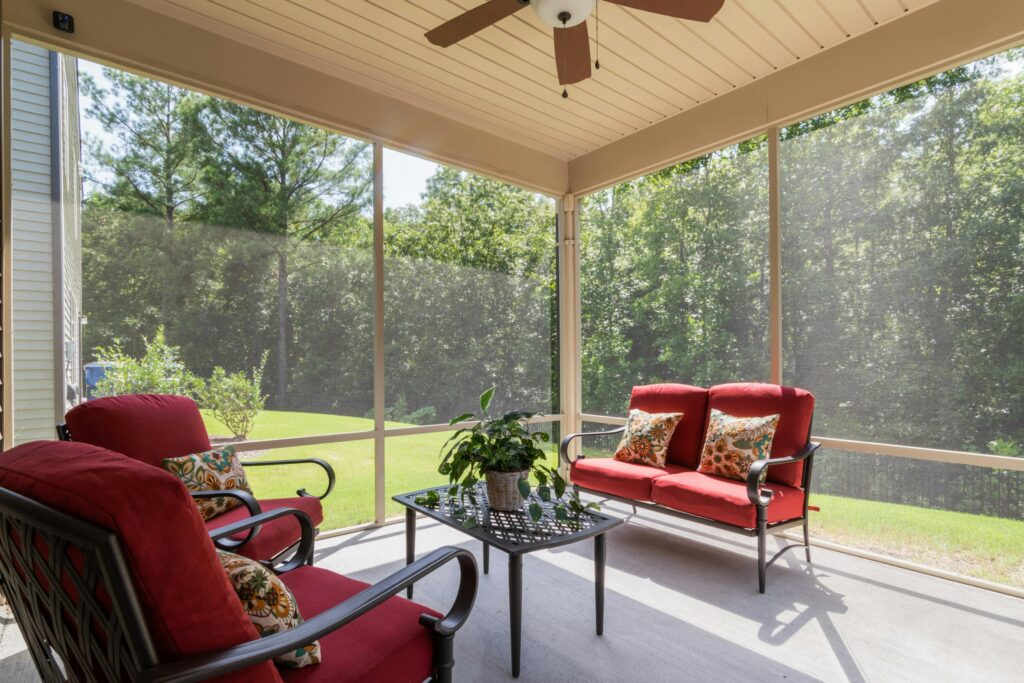
Homeowners across the country are paying closer attention to energy use, but that focus is especially strong in warm, humid regions. Cooling costs can account for a significant portion of monthly utility bills, particularly in homes with large windows or open patio doors.
In Houston, summer temperatures regularly reach the mid- to high-90s, and persistent humidity makes indoor spaces feel warmer while forcing air conditioners to work harder. At the same time, many homeowners want to enjoy their outdoor spaces without sealing themselves off from the outdoors for half the year. Patio screens are increasingly viewed as part of a broader energy strategy, helping manage heat before it enters the home and supporting more stable indoor temperatures without constant reliance on mechanical cooling.
Managing High Energy Bills in Hot and Humid Climates
Air conditioning often runs year-round, not just during peak summer months. Heat and moisture place continuous demand on cooling systems, driving up electricity usage and accelerating wear on HVAC equipment. Large patio openings, sliding glass doors, and uncovered outdoor spaces allow heat to collect and radiate indoors, even when doors remain closed. Homeowners searching for practical solutions often start with shading and airflow control rather than system upgrades.
For those dealing with prolonged heat exposure, identifying effective screening options is a logical next step. If you are on the lookout for the best patio screens Houston has plenty of service providers.
Understanding Solar Heat Gain and How Patio Screens Reduce It
Solar heat gain occurs when sunlight passes through glass and warms interior surfaces, raising indoor temperatures long after direct exposure ends. Patio screens help interrupt this process by filtering and diffusing sunlight before it reaches the home. Depending on the mesh density, quality screens can block between 70 and 90 percent of solar radiation while still allowing outward visibility. This reduction directly limits the amount of radiant heat that enters living spaces adjacent to patios or sunrooms.
By lowering surface temperatures on doors, windows, and surrounding walls, screens help maintain more consistent indoor conditions throughout the day. Over time, this reduction in heat gain translates into fewer cooling cycles and improved overall energy efficiency, without sacrificing natural light.
Reducing the Heat Island Effect on Your Back Porch
Unshaded patios often act as heat collectors, especially when built with concrete, stone, or tile. These materials absorb sunlight during the day and release stored heat well into the evening, warming nearby interior rooms. This localized heat buildup is commonly known as the heat island effect.
Patio screens reduce this impact by shading surfaces and limiting direct sun exposure. When surface temperatures drop, less heat radiates toward interior walls and doors. The result is a cooler transition zone between outdoor and indoor spaces. Homeowners often notice that adjacent rooms feel more comfortable, even during late afternoon hours when heat typically peaks.
Creating a Cooler Transition Between Indoors and Outdoors
A patio that stays cooler throughout the day plays an important role in whole-home comfort. When outdoor spaces are shaded and ventilated, the temperature difference between inside and outside narrows. This reduces the thermal shock that occurs when doors open and close frequently. Screens also allow airflow while limiting heat buildup, supporting steadier indoor temperatures.
In homes with open layouts, this effect becomes even more noticeable. A well-managed patio space acts as a buffer zone rather than a heat source. Over time, this improves comfort, lowers cooling demand, and helps homeowners use their outdoor areas more often without increasing energy costs.
Extending HVAC Lifespan Through Reduced System Strain
Air conditioning systems in hot climates rarely get a break, which accelerates wear on compressors, fans, and electrical components. Patio screens help by lowering the amount of heat that reaches interior spaces during peak daylight hours. When indoor temperatures rise more slowly, HVAC systems cycle less frequently, avoiding constant high-output operation. This steadier workload reduces stress on mechanical parts and improves system reliability.
Over time, homeowners may experience fewer service calls and a longer usable lifespan for their equipment. While patio screens are not a replacement for proper maintenance, they support reducing unnecessary strain from unmanaged heat exposure.
Natural Ventilation and Cross-Breezes as an Alternative to AC
One of the often overlooked benefits of patio screens is their support for natural ventilation. Screens keep doors and openings usable without inviting insects or debris inside. When positioned correctly, they encourage cross-breezes that move air through the home and push warm air out.
On milder days or in the evenings, this airflow can keep you comfortable without turning on the air conditioner. Even partial reliance on natural ventilation reduces energy use. Over time, homeowners gain flexibility in how they cool their spaces, choosing mechanical systems only when conditions truly require it.
UV Protection and Preserving Interior Insulation and Finishes
Sunlight does more than raise indoor temperatures. Ultraviolet exposure gradually fades the color of flooring, rugs, furniture, and window coverings. Patio screens reduce UV penetration before it reaches interior surfaces, helping materials last longer and maintain their appearance. This protection also supports the performance of insulation and window treatments by limiting radiant heat buildup.
When interior surfaces stay cooler, the home retains conditioned air more effectively. The result is a more stable indoor environment that supports energy efficiency while protecting long-term investments in finishes and furnishings.
Seasonal Versatility From Summer Cooling to Winter Wind Blocking
Energy efficiency is not limited to summer performance. During cooler months, patio screens can act as a wind barrier, reducing drafts around doors and large openings. By limiting cold air infiltration, screens help maintain indoor temperatures without excessive heating.
In warmer seasons, they reverse that role by blocking direct sunlight and reducing heat gain. This adaptability makes screens a year-round asset rather than a single-season upgrade. Homeowners benefit from improved comfort across changing conditions while maintaining consistent energy performance year-round.
Evaluating the ROI of Energy-Efficient Patio Screen Installations
From a financial perspective, patio screens offer both short-term and long-term value. Reduced cooling demand often results in noticeable reductions in monthly energy bills, particularly during peak summer months. Over several years, those savings can offset a significant portion of installation costs.
Added benefits include lower HVAC maintenance costs and improved home appeal. Buyers increasingly value energy-conscious upgrades, especially those that enhance usable living space. When viewed as part of a comprehensive efficiency strategy, patio screens provide returns that extend beyond utility savings alone.
