
Your home is your sanctuary, a place where you should feel safe and protected. However, beneath the surface of your walls lies a hidden world that most homeowners never think about until problems arise. From structural damage to health hazards, the space between your drywall and exterior siding can harbor threats that silently compromise your property and well-being.
In Saginaw, Michigan, where humid summers and fluctuating temperatures are common, these hidden issues can develop even more quickly than in drier climates. Understanding these concealed dangers is the first step toward protecting your investment and ensuring your family’s safety.
The Unwelcome Residents: Pests and Rodents
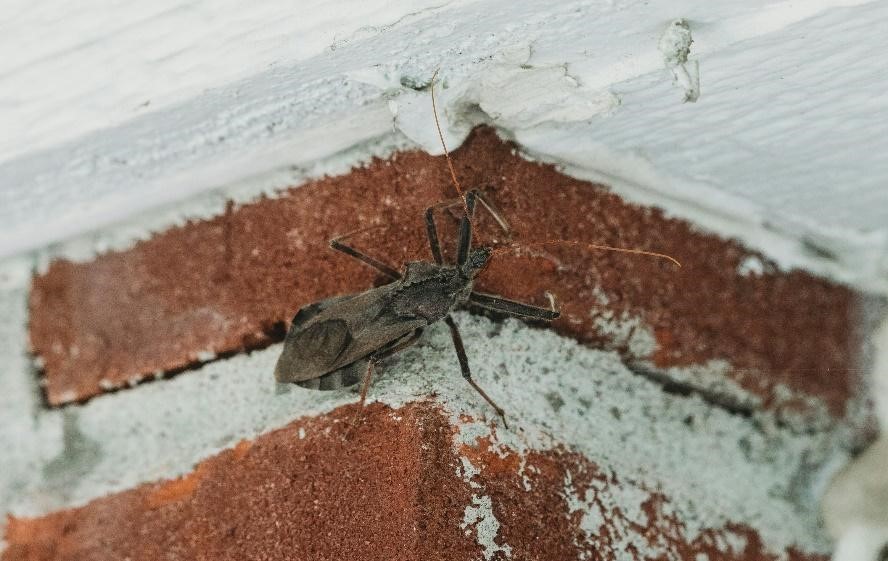
One of the most common and destructive threats hiding in your walls is an infestation of pests. Mice, rats, squirrels, and insects view the hollow spaces in your walls as perfect highways and nesting grounds. These unwanted guests can chew through electrical wiring, creating serious fire hazards, and gnaw on wooden structural elements, weakening your home’s integrity over time.
Termites pose an especially insidious threat because they work silently and relentlessly, consuming wood from the inside out. By the time you notice signs of their presence, such as hollow-sounding walls or small piles of sawdust, significant damage may have already occurred. Carpenter ants operate similarly, excavating wood to create their colonies and leaving behind structural vulnerabilities.
The health risks associated with pest infestations extend beyond property damage. Rodent droppings and urine can carry diseases like hantavirus and leptospirosis, while cockroaches trigger allergies and asthma in sensitive individuals. If you’re looking for reliable pest control Saginaw has plenty of professionals ready to inspect your walls, identify the extent of any infestation, and implement comprehensive treatment plans to eliminate these threats permanently.
Hidden Moisture and Mold Growth
Water has an uncanny ability to find its way into places it doesn’t belong, and your walls are particularly vulnerable. Leaking pipes, roof damage, improper flashing around windows, or condensation from temperature differences can all introduce moisture into wall cavities. Once water becomes trapped in these enclosed spaces, it creates the perfect breeding ground for mold and mildew.
Mold growth inside walls often goes undetected for months or even years because it develops out of sight. The first signs might be a musty odor that seems to have no source, or visible staining on wall surfaces as the moisture seeps through. Some mold species produce mycotoxins that can cause respiratory problems, headaches, fatigue, and allergic reactions, particularly in children, elderly individuals, and those with compromised immune systems.
The damage extends beyond health concerns. Persistent moisture weakens drywall, causing it to crumble and lose structural integrity. Wood framing members can rot, compromising the stability of your walls and potentially leading to costly repairs. Insulation becomes saturated and ineffective, leading to higher energy bills as your heating and cooling systems work harder to maintain comfortable temperatures.
Electrical Hazards Behind the Scenes
Your home’s electrical system runs extensively through your walls, and problems with this hidden network can pose serious dangers. Outdated wiring, particularly aluminum wiring installed in homes built between the 1960s and 1970s, can deteriorate over time and create fire risks. Connections may loosen, insulation can crack and expose bare wires, and circuits can become overloaded as modern electrical demands exceed what older systems were designed to handle.
Rodents chewing through wire insulation represent another electrical hazard. When protective coatings are compromised, wires can short-circuit or arc, generating heat that ignites surrounding materials. These fires often start deep within walls where they can spread undetected until they’ve grown dangerously large.
Amateur electrical work performed by previous homeowners or unqualified handymen may also lurk behind your walls. Improper connections, missing junction boxes, or circuits that bypass safety devices create ongoing hazards. These substandard installations may work fine initially but degrade over time, increasing the risk of electrical fires or electrocution.
Structural Deterioration and Foundation Issues
The framework supporting your walls can slowly deteriorate without visible external signs. Wood rot caused by moisture exposure weakens load-bearing studs and beams. In areas with high humidity or poor ventilation, this decomposition process accelerates, potentially compromising your home’s structural soundness.
Foundation settling and shifts can create cracks in walls that start small and gradually widen. These openings allow water infiltration, pest entry, and energy loss. What begins as a hairline fracture can evolve into a significant structural problem requiring extensive repairs. The longer these issues remain unaddressed, the more expensive and complicated the solutions become.
In older homes, previous repairs or modifications may have compromised structural integrity. Removing walls that were load-bearing, unsupported installations, or amateur carpentry work can create hidden weak points that gradually worsen. These problems might not manifest immediately, but can lead to sagging floors, sticking doors and windows, or visible cracks as they progress.
Taking Action to Protect Your Home
Identifying threats hidden within your walls requires vigilance and proactive maintenance. Schedule regular professional inspections that go beyond surface-level examinations. Qualified inspectors use thermal imaging cameras to detect moisture, listening devices to identify pest activity, and other specialized tools to reveal problems before they become catastrophic.
Pay attention to the warning signs your home provides. Unexplained increases in utility bills might indicate insulation damage or air leaks. Strange sounds like scratching, scurrying, or squeaking suggest pest activity. Musty odors, visible staining, or peeling paint can signal moisture problems. Flickering lights or frequently tripping breakers may indicate electrical issues.
Address problems promptly when discovered. Small issues caught early typically require minimal intervention and expense, while ignored problems compound into major renovations. Maintain proper ventilation in bathrooms, kitchens, and attics to prevent moisture buildup. Keep gutters clean and ensure proper grading around your foundation to direct water away from your home. Replace worn weatherstripping and caulking to prevent water and pest entry.
Your walls protect you from the elements and provide privacy and comfort, but they can also conceal serious threats to your health, safety, and finances. By understanding these hidden dangers and taking proactive steps to detect and address them, you safeguard your home and everyone in it.
