
There is a specific, intoxicating allure to solo travel. It is the promise of absolute freedom—the ability to wake up in a foreign city or a quiet countryside with no itinerary but your own whims. For the solo traveler, the world is not a series of compromises made with companions; it is a canvas for personal discovery. However, this freedom often comes with invisible tethers. The solo traveler is frequently bound by the limitations of logistics: the tyranny of bus schedules, the expense of rental cars, or the sheer physical exhaustion of trying to explore a new terrain on foot.
For decades, the choice was binary: tether yourself to the rigid infrastructure of mass tourism, or risk the isolation and fatigue of going it truly alone. But a third option has emerged, quietly revolutionizing the way independent explorers engage with the world. The rise of the electric cycle (e-bike) has dismantled the barriers of distance, terrain, and fatigue. For the modern solo traveler, the e-bike is not just a mode of transport; it is a passport to a deeper, braver, and more accessible form of adventure. It ensures that while you may be traveling solo, you are never stuck.
1. Shattering the “Radius of Exhaustion”
The primary enemy of the solo explorer is the “radius of exhaustion.” When exploring a new location on foot or by traditional bike, your world is limited by your physical stamina. You might wander three miles from your hostel to see a landmark, but the return journey looms over you. This physical limit often confines travelers to the “tourist trap” zones—the crowded, overpriced city centers where infrastructure is dense but authenticity is scarce.
The electric cycle shatters this radius. By integrating a motor that amplifies human effort, an e-bike effectively triples a traveler’s range. Suddenly, the charming village 15 miles outside the city is not a daunting day trip; it is an effortless morning ride. The secluded beach at the bottom of a steep cliff is no longer “too hard to get back up from.”
This extended range changes the fundamental nature of solo travel. It allows the traveler to escape the gravitational pull of the guidebook highlights. You can venture into the suburbs, the farmlands, and the quiet coastal roads where local life actually happens. You become less of a tourist and more of a transient resident, moving through the landscape with the ease of a local but the curiosity of a visitor.
2. The Safety Net: Technology as a Companion
One of the greatest fears for solo travelers—especially women or those navigating remote areas—is the fear of being stranded. The physical vulnerability of being alone, miles from help, with a flat tire or exhausted legs, is a potent deterrent to exploration. This is where the engineering of the electric cycle provides a crucial psychological safety net.
An e-bike acts as a fail-safe against the unpredictable elements of travel. If you misjudge a route and end up facing a 10% incline at the end of a long day, the motor is there to carry you up. If a sudden headwind picks up, turning a breezy ride into a struggle, you simply increase the assist level. You are never at the mercy of the terrain or the weather in the same way a traditional cyclist is.
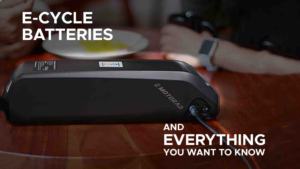
Central to this reliability is the evolution of the electric cycle battery. Modern batteries are no longer heavy, short-lived bricks; they are sophisticated energy management systems. High-capacity lithium-ion batteries now offer ranges of 40, 60, or even 80 miles on a single charge. For the solo traveler, the electric cycle range is the beating heart of their independence. It is the silent partner that ensures no matter how far you roam, you have the power to return home safely. By managing this resource—monitoring the display and planning charge stops at local cafes—travelers engage in a new kind of responsible, self-sufficient exploration.
3. Immersion Without Isolation
There is a distinct difference between being “alone” and being “isolated.” Driving a rental car is isolating. You are encased in a glass and steel bubble, separated from the environment by climate control and radio noise. You watch the scenery pass by like a movie screen, but you are not in it. Conversely, public transport is communal but passive; you are moved along a fixed artery, unable to stop or deviate.
E-biking offers the perfect middle ground: immersion without the barrier. When you ride an e-bike, all your senses are engaged. You feel the drop in temperature as you enter a forest; you smell the salt air long before you see the ocean; you hear the chatter of a market square.
Crucially, the bicycle is an “approachable” machine. A solo traveler in a car is anonymous and inaccessible. A solo traveler on a bike is part of the streetscape. Locals are far more likely to wave, shout a greeting, or strike up a conversation with someone pausing on a bike than someone idling in a car. The e-bike removes the physical barrier between the traveler and the culture they are visiting, inviting serendipitous interactions that often become the highlight of a trip.
4. The Economics of Independence
Solo travel can be surprisingly expensive. Without a partner to split the cost of a rental car, fuel, or taxi fares, the budget can drain quickly. The “single supplement” tax applies to transport just as much as it does to hotel rooms.
The electric cycle is a tool of economic empowerment. In many major tourist hubs—from Kyoto to Copenhagen to California—renting a high-quality e-bike costs a fraction of a rental car. There are no parking fees to worry about, no toll roads to pay for, and the “fuel” cost (electricity) is negligible.
Furthermore, the e-bike creates “micro-savings” throughout the day. Because you have effortless mobility, you aren’t forced to eat at the expensive restaurants right next to the museum. You can easily ride 10 minutes to a local neighborhood to find better, cheaper food. You don’t need to pay for an expensive guided bus tour to see the panoramic viewpoint; you can ride there yourself, for free, and stay as long as you like. For the budget-conscious solo traveler, the e-bike unlocks a premium experience at a budget price.
5. Overcoming the “Imposter Syndrome” of Adventure
There is a gatekeeping mentality in adventure travel that suggests “real” exploration requires peak physical fitness. We are told that to cycle through Tuscany or climb the hills of Lisbon, we must be athletes. This discourages many older travelers or those with average fitness levels from attempting active travel.
The electric cycle democratizes adventure. It removes the barrier of fitness, allowing anyone to feel like an explorer. It levels the playing field. A solo traveler in their 60s can tackle the same mountain pass as a 20-year-old athlete, and enjoy it just as much.
This empowerment is deeply psychological. There is a profound confidence boost that comes from navigating a new country under your own power (even if that power is electrically assisted). It shifts the narrative from “I can’t go there, it’s too far” to “I can go anywhere I choose.” This shift in mindset often spills over into other areas of the traveler’s life, fostering a sense of capability and resilience that outlasts the trip itself.
6. Practical Strategies for the Solo E-Biker
While the e-bike solves many problems, solo travel still requires strategy. To maximize the experience, the smart solo traveler adopts a few key habits:
- Digital Navigation is Key: Unlike a car with a massive dashboard, e-biking requires mountable tech. Using apps like Komoot or Google Maps with “cycling” layers enabled is essential for finding safe, scenic routes rather than ending up on a highway.
- The “Charge-and-Chill” Routine: Smart travelers sync their own recharging with their bike’s. Planning a long lunch break at a cafe allows you to top up the electric cycle battery while you refuel your own body. Most cafes are happy to let you plug in if you are a paying customer.
- Security Discipline: When you are solo, you have no one to watch the bike while you run into a shop. Investing in a heavy-duty lock and choosing e-bikes with removable batteries (which you can take with you) adds a layer of security that allows you to relax.
- Pack for the Elements: On an e-bike, you generate less body heat than a regular cyclist because you are exerting less effort. This means you can get chilly on downhills. Layering is crucial. A windproof shell and gloves are the solo e-biker’s best friends.
Conclusion: The Captain of Your Own Ship
In a world that often tells us to be afraid—to stay in the resort, to book the guided tour, to stick to the well-lit path—solo travel is an act of rebellion. It is a declaration that the world is safe to explore and that we are capable of navigating it.
The electric cycle is the ultimate machine for this rebellion. It strips away the excuses of distance, terrain, and fatigue. It allows the solo traveler to be self-sufficient without being exhausted, and adventurous without being reckless. It turns the journey into a destination. When you travel by e-bike, you are never just a passenger watching the world go by; you are the captain of your own ship, steering silently and swiftly through the incredible, open world. You are solo, yes. But with a charged battery and an open road, you are never, ever stuck.
