
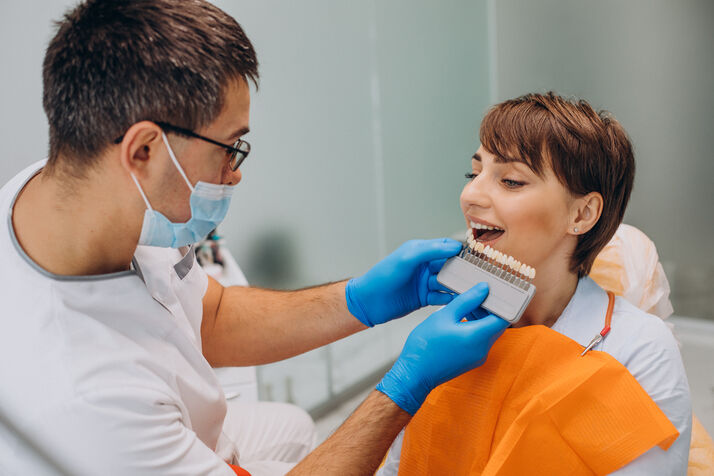
Losing a tooth, or several teeth, can be a profoundly impactful experience. Beyond the aesthetic concerns, it affects our ability to eat comfortably, speak clearly, and even impacts our overall oral health and self-confidence. For many years, traditional solutions like dentures and bridges were the only options available, each with its own set of compromises. However, modern dentistry has revolutionized tooth replacement with a remarkable innovation: dental implants.
At its core, a dental implant is a sophisticated, long-term solution designed to replace missing teeth, offering stability, functionality, and a natural appearance that closely mimics our original dentition. Unlike removable dentures or bridges that rely on adjacent teeth for support, dental implants are surgically placed into the jawbone, where they fuse with the bone, creating a strong and durable foundation for a prosthetic tooth.
We understand that the idea of a dental procedure can be daunting, but our aim is to demystify the process and shed light on why dental implants have become the gold standard for tooth replacement. In this comprehensive guide, we will explore the unparalleled benefits that dental implants offer, walk you through the journey of receiving them, and address some of the most frequently asked questions. Our goal is to empower you with the knowledge to make an informed decision about restoring your smile and enhancing your quality of life.
The Unmatched Benefits of Dental Implants
When considering tooth replacement options, it’s crucial to understand the distinct advantages that dental implants provide. We believe these benefits go far beyond mere aesthetics, impacting your oral health, comfort, and overall well-being.
A Natural Look and Feel
One of the most compelling reasons people choose dental implants is their ability to look and feel incredibly natural. The custom-made crowns are designed to match the color, shape, and size of your existing teeth, blending seamlessly into your smile. Because they are anchored directly into the jawbone, they don’t slip or click like some dentures, providing a level of comfort and confidence that traditional alternatives often cannot. We often hear patients remark on how they simply “forget” they have an implant.
Improved Oral Health
Beyond aesthetics, dental implants offer significant advantages for your long-term oral health.
- Prevent Bone Loss: When a tooth is lost, the jawbone beneath it can begin to deteriorate due to lack of stimulation. Dental implants act as artificial tooth roots, stimulating the jawbone and helping to prevent this bone loss, preserving your facial structure and preventing a “sunk-in” appearance.
- Protect Adjacent Teeth: Unlike traditional dental bridges, which require the grinding down of healthy adjacent teeth for support, dental implants are self-supporting. This means your natural teeth are left untouched, preserving their strength and integrity.
- Easier Oral Hygiene: You can brush and floss around dental implants just like you would with your natural teeth, making it easier to maintain excellent oral hygiene and reduce the risk of gum disease and cavities in remaining teeth.
Enhanced Functionality
The stability provided by dental implants translates directly into improved functionality.
- Eat What You Love: With dental implants, you can confidently bite and chew all your favorite foods, from crunchy apples to tough steaks, without worrying about discomfort or dislodgement. This freedom significantly enhances your dining experience and nutritional intake.
- Clearer Speech: Missing teeth or ill-fitting dentures can sometimes affect speech, leading to lisps or slurred words. Dental implants restore your ability to speak clearly and naturally, without the fear of your teeth shifting.
- No Slipping or Clicking: Because they are firmly anchored, dental implants eliminate the embarrassment and inconvenience associated with removable dentures that can shift, click, or even fall out at inopportune moments.
Long-Term Solution
Dental implants are renowned for their durability and longevity. With proper care, the implant itself (the titanium post) can last a lifetime. While the crown attached to the implant may need replacement after 10-15 years due to normal wear and tear, the foundation remains intact. The success rate for dental implants is remarkably high, often exceeding 95%, making them a highly reliable investment in your oral health.
“Dental implants are not just a replacement for a missing tooth; they are an investment in your overall health and quality of life,” notes Dr. Emily Carter, a leading implant specialist. “The ability to eat, speak, and smile with confidence can have a profound impact.”
Boosted Self-Confidence
Perhaps one of the most transformative benefits of dental implants is the restoration of self-confidence. A complete, healthy-looking smile can dramatically improve your self-image, encouraging you to smile more, engage in social situations, and feel more comfortable in professional settings. We’ve seen firsthand how patients regain their zest for life after receiving dental implants.
The Dental Implant Journey: What to Expect
Embarking on the path to a restored smile with dental implants is a journey that involves several distinct stages. We want to ensure you feel well-informed and comfortable every step of the way. For additional guidance on implant dentistry, smile restoration, and treatment planning, visit Dental Matters.
Initial Consultation and Planning
Your journey begins with a thorough evaluation by our dental team. This crucial first step involves:
- Comprehensive Examination: We will assess your overall oral health, including your gums, remaining teeth, and jawbone structure.
- Advanced Imaging: We utilize X-rays, and often 3D cone-beam computed tomography (CBCT) scans, to get a detailed view of your jawbone, nerve pathways, and sinus cavities. This allows us to precisely plan the optimal placement of your dental implants.
- Medical History Review: We will discuss your medical history and any medications you are taking to ensure dental implants are a safe and suitable option for you.
- Personalized Treatment Plan: Based on our findings, we will develop a customized treatment plan, outlining the number of implants needed, the type of restoration (single crown, bridge, or full arch), and the estimated timeline and cost. We will answer all your questions and address any concerns you may have.
The Implant Placement Procedure
Once your treatment plan is finalized, the surgical placement of the dental implant takes place.
- Anesthesia: The procedure is typically performed under local anesthesia, ensuring you are comfortable and pain-free. Sedation options are also available for those who experience dental anxiety.
- Surgical Placement: A small incision is made in the gum tissue to expose the bone. A precise, small hole is then drilled into the jawbone, and the titanium implant post is carefully inserted.
- Healing Period (Osseointegration): After placement, the implant is left to heal beneath the gum line. This critical phase, called osseointegration, involves the titanium implant fusing directly with your jawbone. This process can take anywhere from 3 to 6 months, depending on individual healing capabilities and bone density. During this time, you may wear a temporary prosthesis.
Abutment Placement
Once osseointegration is complete and the implant is firmly integrated with your bone, the next step is the placement of the abutment.
- Minor Procedure: This is a relatively minor procedure where a small connector piece, called an abutment, is attached to the implant. The abutment will eventually support your new crown.
- Gum Healing: A healing cap may be placed over the abutment for a short period to allow the gum tissue to heal properly around it, creating a natural-looking emergence profile for your future tooth.
Crown Fabrication and Attachment
This is the stage where your new smile truly comes to life.
- Impression Taking: Once your gums have healed around the abutment, we will take impressions of your mouth. These impressions, along with detailed color matching, are sent to a dental lab where your custom crown, bridge, or denture will be meticulously crafted.
- Customization: Your prosthetic tooth is designed to match the shape, size, and color of your natural teeth, ensuring a seamless and aesthetically pleasing result.
- Final Attachment: Once your custom restoration is ready, it is securely attached to the abutment. We will ensure the fit is perfect, your bite is comfortable, and you are thrilled with your new smile.
Post-Procedure Care and Maintenance
The longevity of your dental implants heavily relies on proper care and maintenance.
- Oral Hygiene: Just like natural teeth, dental implants require diligent brushing twice a day and daily flossing. We will provide specific instructions and recommend appropriate tools.
- Regular Dental Check-ups: Routine dental visits are essential. We will monitor the health of your implants, gums, and remaining teeth, and perform professional cleanings.
- Avoid Harmful Habits: Refrain from habits like chewing on ice, biting fingernails, or using your teeth as tools, as these can damage your implant crown or natural teeth.
“Proper home care combined with regular professional check-ups is paramount for the long-term success of dental implants,” advises Dr. Michael Lee, a periodontist. “Think of it as maintaining a healthy foundation for a lifetime of confident smiles.”
Frequently Asked Questions About Dental Implants
We understand you likely have many questions about dental implants. Here, we address some of the most common inquiries we receive.
Am I a Candidate for Dental Implants?
Most individuals who have lost one or more teeth are potential candidates for dental implants. The primary requirements are generally good overall health and sufficient jawbone density to support the implant. Conditions such as uncontrolled diabetes, heavy smoking, or certain medications might affect candidacy. A thorough consultation with our dental team, including X-rays and 3D scans, is the only way to determine if dental implants are right for you. We will carefully assess your specific situation and discuss all available options.
How Long Do Dental Implants Last?
The titanium implant post itself is designed to be a permanent solution and can last a lifetime with proper care. The crown, bridge, or denture attached to the implant, however, may need replacement after 10 to 15 years due to normal wear and tear, similar to other dental restorations. Consistent oral hygiene and regular dental check-ups are key to maximizing the lifespan of your entire dental implant restoration.
Is the Procedure Painful?
We understand that pain is a common concern. The dental implant placement procedure is typically performed under local anesthesia, so you should not feel any pain during the surgery itself. For those with dental anxiety, various sedation options are available to ensure your comfort. After the procedure, it’s normal to experience some mild discomfort, swelling, or bruising, which can usually be managed effectively with over-the-counter pain relievers or prescribed medication. We will provide detailed post-operative care instructions to help minimize any discomfort.
What is the Success Rate of Dental Implants?
Dental implants boast an impressive success rate, often exceeding 95% when performed by experienced professionals and maintained properly. Factors that can influence success include the patient’s overall health, bone quality, oral hygiene habits, and whether they smoke. Our team takes every precaution to ensure the highest possible success rate for our patients.
How Much Do Dental Implants Cost?
The cost of dental implants can vary significantly depending on several factors, including the number of implants needed, the type of restoration (single crown, bridge, or full arch), any necessary preparatory procedures (like bone grafting), and the specific fees of your dental provider. While the initial investment might seem higher than traditional options, many patients find that the long-term benefits, durability, and improved quality of life make dental implants a cost-effective choice over time. We will provide a detailed cost estimate during your consultation and discuss payment options and potential insurance coverage.
What are the Alternatives to Dental Implants?
While dental implants are often considered the premier tooth replacement option, we understand they may not be suitable for everyone. Alternative solutions include:
- Traditional Dental Bridges: These replace one or more missing teeth by cementing crowns on the adjacent natural teeth, using them as anchors. As mentioned, this requires modifying healthy teeth.
- Removable Partial Dentures: These consist of replacement teeth attached to a gum-colored plastic base, which is held in the mouth by clasps that attach to natural teeth. They are removable for cleaning.
- Full Dentures: For those missing all teeth in an arch, full dentures are a removable appliance that rests on the gums.
Each of these alternatives has its own set of pros and cons regarding stability, oral health impact, and longevity, which we discussed in the comparison table earlier. We are committed to helping you understand all your options to choose the best solution for your unique needs and goals.
We hope this comprehensive guide has provided you with a clear understanding of dental implants and their transformative potential. If you’re considering restoring your smile, we encourage you to schedule a consultation with our team to explore how dental implants can benefit you.
