
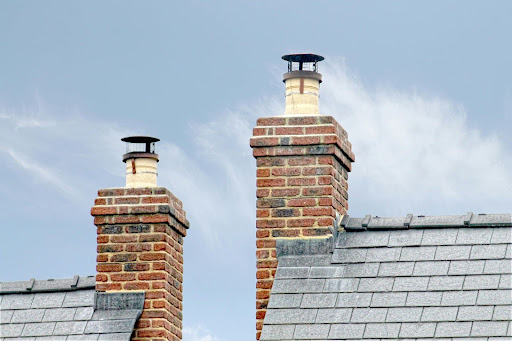
Your fireplace is one of those things you don’t think about — until something goes wrong. And by then, the repair bill might make your wallet weep. The truth is, most structural issues with your flue system start small. A hairline crack here. A white stain there. Ignore them, and you’re basically rolling out the red carpet for bigger, costlier problems.
This guide walks you through the warning signs, what causes them, and when it’s time to pick up the phone and call a pro. Because let’s be honest — Googling “is my chimney supposed to do that?” at 2 a.m. is not a solid home maintenance strategy.
Common Signs of Chimney Damage Every Homeowner Should Know
Some warning signs are obvious. Others hide in plain sight. Here’s what to watch for:
- Crumbling or missing mortar between bricks
- Visible cracks on the exterior masonry
- White, chalky deposits (called efflorescence) on the surface
- A leaning or tilting structure, even slightly
- Rust on the damper or firebox
- Pieces of flue tile in the fireplace
If you spot even one of these, don’t shrug it off. Think of it like a check engine light — it rarely fixes itself.
Cracked Chimney Flue Liner — Why It’s More Dangerous Than You Think
The liner inside your flue stack is its first line of defense. It keeps heat, smoke, and toxic gases from reaching the walls of your home. When that liner cracks, you’ve got a serious safety hazard on your hands.
Carbon monoxide can seep through those gaps. That’s the kind of guest nobody invited. Worse still, a damaged liner increases the risk of a house fire. Heat transfers through the cracks directly to combustible materials nearby.
Most homeowners never inspect their liner because it’s out of sight. That’s exactly why annual inspections matter. A professional can use a camera to check the interior condition without tearing anything apart.
White Stains on Your Chimney Bricks and What They Mean
Those white, powdery streaks on your brickwork? They’re not a new design trend. That’s efflorescence — fancy word, ugly problem. It means moisture is sneaking in where it has no business being.
Here’s what happens. Water creeps through the masonry, picks up salts hiding inside the brick, and leaves them behind on the surface like a bad houseguest who won’t clean up. It’s basically your structure screaming, “Hey, I’m soaking wet in here.” Ignore it, and that moisture keeps chewing away at the brick from the inside. Come winter, it gets worse — trapped water freezes, expands, and starts splitting the masonry apart like a slow-motion demolition crew nobody hired.
Scheduling regular chimney sweep services can catch moisture issues early, before they snowball into full-blown structural failure. A trained technician will inspect both the interior and exterior, identify the moisture source, and recommend the right fix.
How Weather and Water Damage Affect Your Chimney Over Time
Mother Nature doesn’t play favorites. Rain, snow, ice, and UV rays all take their toll on your flue system year after year.
The freeze-thaw cycle is the biggest offender. Water seeps into tiny cracks during rain. Then temperatures drop, the water freezes, and those cracks widen. Repeat this a hundred times over a few winters, and you’ve got real deterioration.
A solid cap and crown are your best defense against water finding its way in. Think of them like an umbrella — simple, but effective. Without them, rain pours straight down the flue opening and starts eating away at the interior.
Chimney Mortar Joint Deterioration and When to Call a Professional
Mortar joints are the glue holding everything together — literally. Over time, they erode. Wind, rain, and age all chip away at them.
When mortar starts receding or crumbling, bricks loosen. The entire stack becomes structurally unstable. Repointing is the go-to fix — basically scraping out the tired old mortar and packing in fresh stuff. Sounds simple, right? Don’t let that fool you. Botch this job, and you’ll trap moisture inside the wall, which speeds up the exact damage you were trying to fix. Irony at its finest.
Call a licensed mason when you notice gaps wider than a pencil tip between bricks. The longer you put it off, the bigger the job gets — and so does the bill.
How Much Does Chimney Repair Cost, and Is It Worth Fixing
Repair costs vary widely depending on the damage. Minor mortar work might run $200–$500. A full liner replacement can hit $2,500 or more. Rebuilding a stack from the roofline up? That’s easily $1,000–$3,000+.
Sounds steep. But compare that to the cost of fire damage or carbon monoxide poisoning. Suddenly, a few hundred dollars for preventive maintenance looks like a bargain. A stitch in time saves nine — and potentially saves your home.
Protect Your Home by Catching Chimney Problems Early
Don’t wait for a leak, a crack, or a scary inspection report to take action. Most flue-related problems are fixable when caught early. Stay proactive with annual checkups, keep your crown and cap in good shape, and address moisture issues the moment they appear.
Your home is your biggest investment. Protecting it starts from the top down.
Frequently Asked Questions
What happens if you never clean your flue system?
Creosote builds up, airflow gets choked, and your fire hazard risk skyrockets. It’s like never changing your car’s oil — eventually, something ugly happens.
Can rain actually damage a fireplace stack?
Absolutely. Water is the silent villain here. It seeps into cracks, freezes in winter, and slowly tears masonry apart from the inside. A good cap stops most of that drama.
How do I know if my flue liner needs replacing?
Pieces of tile dropping into the firebox are a dead giveaway. Smoke backing up into the room is another. Either way, get a camera inspection — guessing isn’t a strategy.
Is a leaning stack an emergency?
It’s not a quirky personality trait, that’s for sure. A tilting structure means foundation or mortar failure. Call a professional before gravity finishes the job.
Should I inspect after a major storm?
Always. High winds, hail, and heavy rain can crack crowns, shift caps, and loosen bricks overnight. A quick post-storm look can save you thousands later.
