
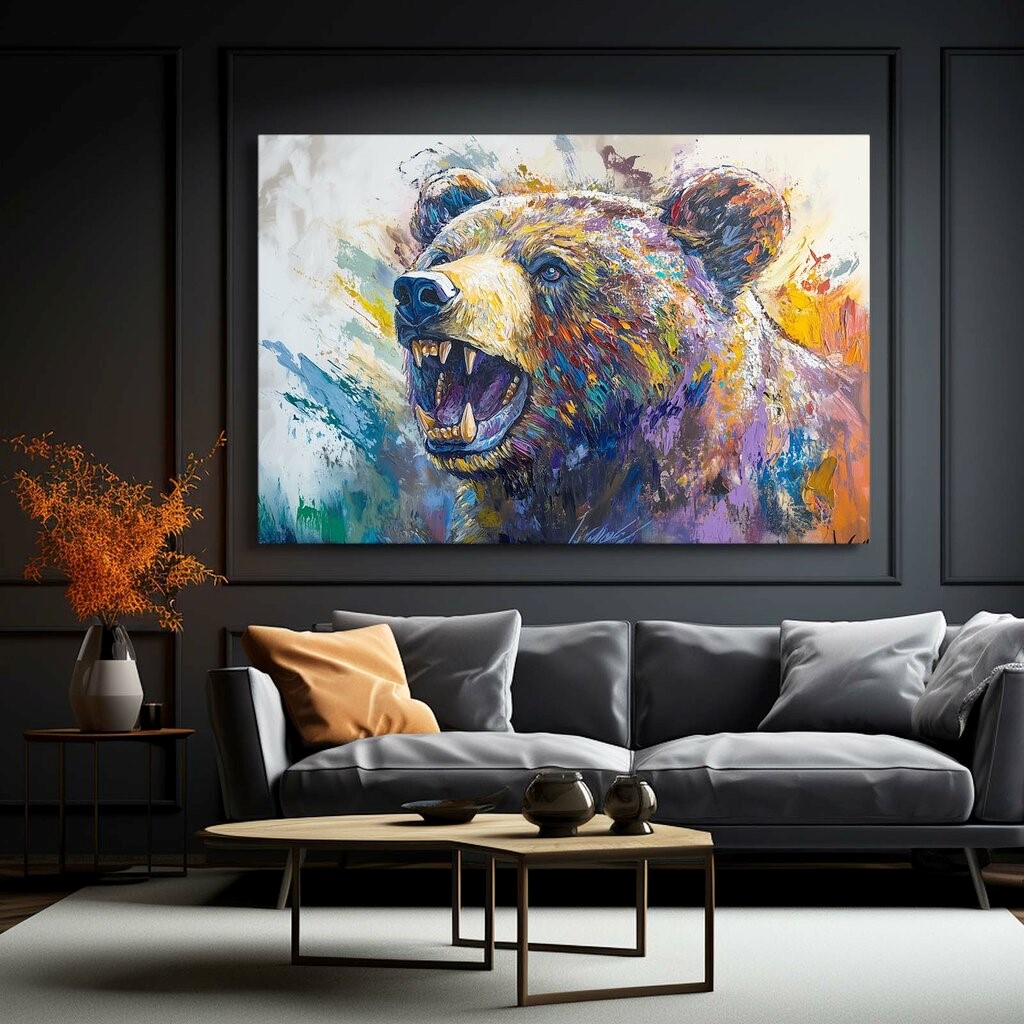
Open-plan interiors have become one of the most popular layouts in modern homes. By combining living, dining, and sometimes kitchen spaces into one continuous environment, open-plan designs create brightness, flexibility, and a strong sense of flow. However, decorating these spaces presents a unique challenge: how do you maintain cohesion while still giving each area its own identity?
Artwork plays a crucial role in solving this challenge. The right art choices can define zones, balance proportions, and unify the overall aesthetic without interrupting openness. When selected thoughtfully, wall art becomes one of the most effective tools for designing successful open-plan interiors.
Use Art to Define Functional Zones
One of the biggest advantages of artwork in open spaces is its ability to visually separate areas without adding physical barriers. Since open-plan layouts lack walls, art helps signal transitions between different functions.
A large artwork above the sofa naturally defines the living area, while another piece near the dining table establishes a social or dining zone. Even subtle differences in artwork style or color can help distinguish spaces while maintaining visual harmony.
Instead of dividing rooms with furniture alone, art creates invisible boundaries that keep the layout organized and intentional.
Choose a Cohesive Artistic Direction
While each area can have its own personality, open-plan interiors work best when artwork shares a common visual language. This could be achieved through similar color palettes, artistic styles, or overall mood.
For example, abstract artworks across different zones might vary in color but maintain similar textures or compositions. This continuity allows the eye to move smoothly throughout the space, preventing the interior from feeling fragmented.
Consistency does not mean repetition. The goal is connection rather than uniformity.
Embrace Large-Scale Statement Pieces
Open-plan interiors often feature expansive walls and higher ceilings, making scale especially important. Small artworks can appear lost in large spaces, reducing their impact and leaving walls feeling unfinished.
Oversized artwork provides balance by filling vertical space confidently. A single large canvas can anchor an entire seating area and reduce the need for excessive decoration.
Large-format pieces also help maintain simplicity, which is essential in open layouts where too many decorative elements can quickly create visual clutter.
Browsing collections such as those available at Large Wall Art can offer inspiration for selecting statement pieces designed specifically for spacious modern interiors.
Maintain Color Flow Across Spaces
Color plays a major role in open-plan harmony. Artwork can act as the connecting element that ties multiple zones together.
Choose pieces that repeat or echo colors found elsewhere in the room — perhaps tones from upholstery, rugs, or kitchen finishes. Even subtle color repetition helps unify the environment and creates a cohesive visual rhythm.
Neutral artwork with controlled accents works particularly well because it blends seamlessly while still adding character.
Balance Visual Weight
In open layouts, furniture and architectural features often vary in size and placement. Artwork helps distribute visual weight evenly throughout the space.
If one side of the room feels heavy due to large furniture or dark tones, artwork placed on the opposite wall can restore balance. Similarly, tall vertical art can counter wide horizontal furniture arrangements, helping the room feel proportionate.
Achieving visual equilibrium ensures the space feels calm rather than overwhelming.
Mix Themes Carefully
Open-plan interiors allow for creativity, but mixing too many unrelated themes can create confusion. Instead, introduce variation gradually.
For example, nature-inspired artwork in one zone can transition into animal-themed or landscape pieces in another while maintaining shared colors or textures. Collections like this one demonstrate how thematic artwork can add personality while still blending into modern interiors when chosen thoughtfully.
A controlled thematic approach adds storytelling without disrupting cohesion.
Consider Viewing Angles
Unlike traditional rooms, open-plan spaces allow artwork to be viewed from multiple angles. This makes placement especially important.
Choose artworks that maintain visual interest from different perspectives. Pieces positioned where they can be seen from both dining and living areas enhance continuity and strengthen the overall design experience.
Avoid overcrowding walls that are visible from several directions, as this can overwhelm the space visually.
Use Lighting to Highlight Art Zones
Lighting enhances artwork’s role in open-plan interiors. Pendant lights above dining areas, floor lamps near seating zones, or directional ceiling lighting can subtly emphasize specific artworks.
This layered lighting approach reinforces zone definition while maintaining openness. Artwork becomes a visual anchor not only through placement but also through illumination.
Keep Negative Space Intact
Open-plan interiors thrive on openness, so maintaining negative space is essential. Resist the urge to decorate every wall equally. Leaving some walls intentionally minimal allows statement artworks to stand out and prevents visual fatigue.
Strategic restraint helps preserve the airy feeling that makes open-plan layouts appealing in the first place.
Final Thoughts
Choosing the best art for open-plan interiors is about balance between unity and distinction. Artwork should define zones, connect spaces through color and style, and provide focal points without interrupting flow.
Large-scale statement pieces, cohesive color palettes, thoughtful placement, and controlled themes all contribute to a harmonious environment. When used strategically, art transforms open-plan spaces into interiors that feel structured, expressive, and effortlessly connected — proving that walls are not required to create beautifully defined living areas.
