
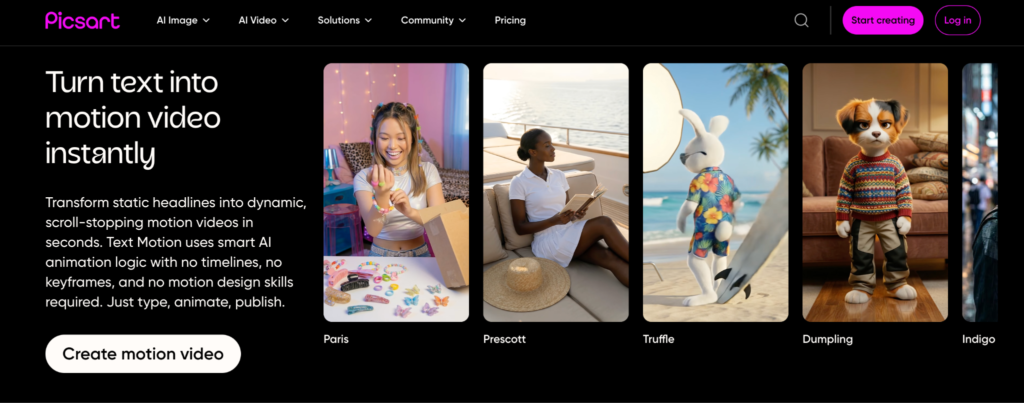
Digital marketing has never stood still. What began as a space dominated by banner ads, promotional emails, and simple social media updates has grown into a fast-moving ecosystem driven by visuals, motion, and constant adaptation. The way brands communicate online has changed because the way people consume content has changed. Audiences now move quickly, scroll endlessly, and make split-second decisions about what deserves their attention.
This shift has transformed not only the look of digital marketing but also its purpose. It is no longer enough to publish content just to maintain an online presence. Brands are expected to create experiences that catch the eye, hold attention, and communicate value almost instantly. The evolution from static posts to dynamic visuals reflects a much larger change in how people interact with media, technology, and brands in the digital world.
Why Static Content Started Losing Its Power
As more businesses moved online, digital spaces became noisier. Every brand, creator, and company began producing content at scale. Social feeds are filled up. Ads multiplied. Audiences developed habits that reflected this overload, especially faster scrolling and lower tolerance for anything that felt repetitive or unremarkable.
This is where static content began to lose its impact. A still image could easily blend into the background of a crowded feed. A standard post no longer guaranteed attention, let alone interaction. As competition increased, marketers realized that visibility alone was not enough.
That change pushed brands to experiment with formats that offered more energy and movement. Instead of simply posting a product image, marketers began using animation, layered graphics, and text motion to create content that felt more alive and immediate. The goal was no longer just to be seen. It was impossible to ignore for at least a few precious seconds.
The Rise of Visual-First Platforms
A major turning point came with the success of platforms built around visual content. Instagram shifted emphasis toward curated imagery. YouTube expanded the role of video storytelling. TikTok accelerated short-form video into the center of digital culture. Pinterest made inspiration itself searchable and shareable. These platforms did not just host content. They trained audiences to expect visual stimulation as the default language of the internet.
As a result, brands had to adapt to the grammar of each platform. A static post that may have once felt acceptable started to look flat next to video clips, animated product showcases, and interactive stories. Visual-first platforms rewarded movement, emotion, speed, and clarity. The content that performed best was content that communicated immediately and memorably.

This did not mean that words stopped mattering. It meant that words needed visual support. Messaging had to work together with design, pacing, and motion. Marketing became less about presenting information and more about packaging it in a way people would actually absorb.
From Images to Motion
The move from static images to dynamic visuals changed the rhythm of digital marketing. Dynamic visuals include short-form video, motion graphics, animated ads, interactive experiences, live content, and visually edited storytelling formats. These formats do something still images often struggle to do: they create momentum.
Motion naturally draws the eye. Human attention is wired to notice change, movement, and contrast. In a feed full of static elements, a moving visual has a built-in advantage. It can guide attention, reveal information gradually, and create a stronger emotional impression in less time.
This is especially important in modern marketing, where content often has only a second or two to make an impact. A short animation can communicate tone, function, and personality more efficiently than a long caption ever could. A quick video can show how a product works instead of simply describing it. Dynamic content compresses meaning. It delivers more with less, which is exactly what the modern feed demands.
Storytelling Became the Real Differentiator
As content formats evolved, one thing became clear: motion alone is not enough. A flashy post without purpose is just digital noise. The most effective dynamic visuals succeed because they tell stories.
Modern digital marketing is increasingly driven by narrative. Brands are no longer just presenting features or promotions. They are showing transformation, mood, lifestyle, and identity. A short product reel may demonstrate not only what something does, but how it fits into a customer’s day. A campaign video may establish feelings before it ever explains function. Visual storytelling turns content into memory.
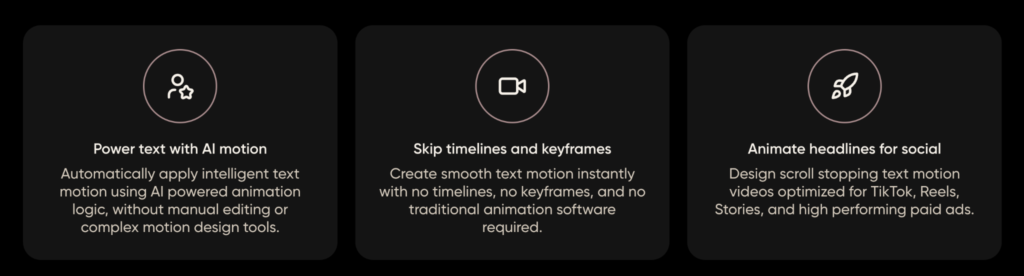
This is one reason dynamic marketing has grown so powerful. Storytelling creates emotional structure. It helps people connect with a brand in a way that static promotion rarely can. In a world crowded with options, emotional relevance often matters more than technical superiority. Strange little truth of the internet: people rarely remember the most informative post, but they often remember the one that made them feel something.
The Challenges Behind the Shift
None of this means the transition is effortless. Brands face real pressure to create more content, move faster, and stay relevant across multiple platforms. There is also the risk of content fatigue. When every brand tries to chase the same style, the result can feel generic rather than engaging.
The solution is not to make everything louder or busier. It is to be more intentional. Dynamic visuals work best when they serve a clear purpose and align with the brand’s voice, audience, and goals. A smart strategy beats random motion every time. Not every post needs something cinematic. Sometimes it just needs clarity, taste, and timing.
What Comes Next
The future of digital marketing will likely become even more interactive, personalized, and adaptive. AI-generated content, augmented reality, real-time customization, and immersive experiences are already pushing the field forward. Brands will have more ways to customize visuals to different audiences, contexts, and moments.
Still, the main lesson remains simple. Digital marketing evolves when audience behavior evolves. Static posts once matched the pace of the internet. Today, dynamic visuals better match how people discover, process, and engage with content online.

The evolution from static posts to dynamic visuals reflects a deeper transformation in digital communication. Marketing has moved from simple presence to active engagement, from flat information to visual storytelling, and from one-size-fits-all content to richer, faster, more responsive experiences.
Brands that understand this shift are not just changing how their content looks. They are changing how their message lives in the minds of audiences. In the end, successful digital marketing is no longer about posting for the sake of posting. It is about creating visual moments that capture attention, communicate clearly, and leave something behind after the scroll is over.
