
From the outside, a printed shirt looks simple. A design sits neatly on fabric, colors look sharp, and everything feels complete. But behind that finished product is a clear process. Each step depends on the right tool.
In most modern setups, three things quietly handle the work: a dtf machine, a cutting machine, and a shirt press machine. Once you understand how these fit together, the entire workflow starts to make sense.
Step 1: Where the Design Comes to Life
Every project begins with a design. But a design on a screen is not enough. It needs to be prepared for transfer. This is where a dtf machine becomes important.
A dtf machine prints the design onto a special film. This method allows detailed graphics, smooth color blends, and sharp edges. It is especially useful for complex artwork that would be difficult to cut manually.
With a dtf machine, creators can:
- Print detailed and colorful designs
- Handle gradients and fine lines easily
- Maintain consistency across multiple prints
- Prepare designs quickly for transfer
This step sets the foundation. If the print quality is good, the final result has a much better chance of success.
Step 2: Shaping Designs with a Cutting Machine
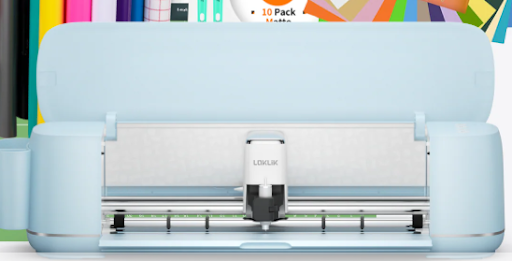
Not all designs are printed. Some are created using vinyl that needs to be cut into specific shapes. This is where a cutting machine plays its role.
A cutting machine follows digital design paths and cuts materials with precision. It ensures that letters, logos, and shapes come out clean and accurate.
Using a cutting machine helps creators:
- Produce sharp and consistent outlines
- Save time compared to manual cutting
- Reduce errors in detailed designs
- Work efficiently on repeated projects
For many creators, this tool becomes essential when working with vinyl-based designs.
Step 3: The Final Transfer with a Shirt Press Machine
Once the design is ready, it needs to be applied to the fabric. This is the most critical stage. A shirt press machine is used to apply heat and pressure so the design bonds properly with the garment.
This machine controls temperature, pressure, and time. These three factors determine how well the design sticks and how long it lasts.
A reliable shirt press machine ensures:
- Even heat across the entire design
- Strong adhesion to the fabric
- Smooth and clean finishes
- Consistent results for multiple shirts
Without proper pressing, even a perfect design can fail after a few uses.
How the Full Process Connects
Each tool plays a different role, but they all depend on each other.
- The dtf machine creates the printed design
- The cutting machine shapes vinyl or prepares precise outlines
- The shirt press machine bonds the design to the fabric
When all three steps are done correctly, the final product looks clean, durable, and professional.
Small Habits That Improve Results
Even with the right setup, a few simple practices can make a big difference.
- Check heat and time settings before pressing each design.
- Keep materials aligned properly during transfer.
- Run a test print before working on bulk orders.
- Allow the shirt to cool before handling or peeling.
These small steps help maintain quality and reduce mistakes.
Final Thoughts
Custom shirt printing is not just about creativity. It is about following a process that works. A dependable dtf machine ensures accurate and detailed prints. A precise cutting machine shapes designs cleanly.
A reliable shirt press machine locks everything into place with heat and pressure.When these tools work together, the result is a shirt that not only looks good but also lasts through regular use.
