
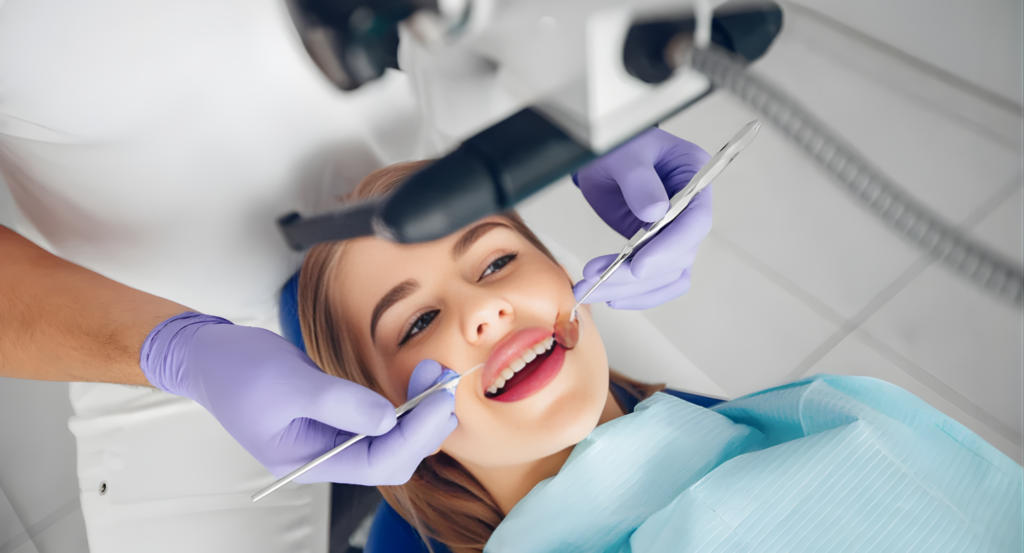
To maintain your smile healthy, you often need to look beyond the surface of a tooth to the sophisticated biological mechanisms that support it from the inside. A dentist needs to step in to stop the infection from spreading and avoid having to remove the tooth if deep decay or physical trauma damages the inside of a tooth’s pulp. For many people who are still in pain, the only method to save a natural tooth and get the jaw to work correctly again is to get a root canal Barrie. This sophisticated surgery entails carefully removing diseased tissue and closing off the internal canals. This technique is now rapid and virtually painless thanks to contemporary technologies.
Moving toward more advanced endodontic methods is a huge step forward for making patients more comfortable and improving long-term success rates. Dentists today employ digital imaging and high-magnification loupes to map the tooth root system’s exceedingly complicated routes with excellent accuracy. To make sure that all traces of bacteria are gone before the tooth is structurally strengthened, this level of precision is needed. The dentistry business helps people preserve their natural bite alignment and bone density by placing the health of the natural tooth structure first. This is crucial since losing a tooth and not replacing it right once can change these things.
Why life needs internal disinfection
A tooth isn’t a solid thing; it contains a hollow region inside it called the pulp that is full of nerves, blood arteries, and connective tissue. When bacteria get into this location, it can create inflammation that hurts and puts a lot of pressure on the bone around it. The basic purpose of endodontic therapy is to clean out the inside of the tooth and fill it with a safe material that keeps bacteria from coming back. This biological reset helps the tissues around the abscess recover on their own. This stops the abscess from getting worse and keeps the patient’s immune system healthy.
You can feel better with local anesthesia and sedative.
One of the most popular fallacies regarding endodontic treatment is that it hurts a lot during the session itself. The surgery is supposed to stop pain, not make it worse. Advanced local anesthetics make sure that the area being treated is totally numb before any work starts. This makes the feeling like receiving a regular filling. To ensure that patients who are more apprehensive have a quiet and soothing experience, several clinics offer different doses of sedation. This focus on patient comfort makes sure that people don’t put off important treatment, which could lead to worse problems.
Final Restoration and Strengthening of the Structure
The next stage is to correct the tooth’s strength and look on the outside once it has been cleansed on the inside. Over time, a tooth that has had endodontic treatment may become more brittle because it no longer gets blood flow. A crown that fits perfectly over the rest of the construction is frequently put on to protect it from the forces of chewing. These restorations are produced from high-quality porcelain or ceramic that looks and feels like real enamel. This makes sure that the tooth that was fixed fits exactly with the other teeth in the grin.
Long-term success and aftercare plans
How long a restored tooth lasts depends a lot on how effectively the first treatment was done and how well the patient takes care of their teeth. Most of them will last a lifetime if you wash and floss your teeth every day and have them cleaned by a professional. During the first stage of recovery, it’s very vital not to bite down on things that are really hard. This will help keep your teeth from shattering before the last crown goes in. If you follow these simple steps, you can be confident that the money you spend on expert dental care will pay off with a smile that is healthy, works well, and doesn’t pain for a long time.
The financial and practical advantages of maintaining a tooth
Some people might think that pulling a tooth is the quickest method to fix the problem, but in the long term, a missing tooth costs a lot of money and is bad for your health. If you have gaps in your grin, the teeth adjacent to them may shift, the jawbone may resorb, and it may be harder to chew. Getting an implant or a bridge to replace a missing tooth usually costs more and takes longer than just one endodontic treatment. By choosing to save the original tooth, a patient keeps the integrity of their dental arch. This also avoids the difficult logistical issues that come with getting a new tooth.
