
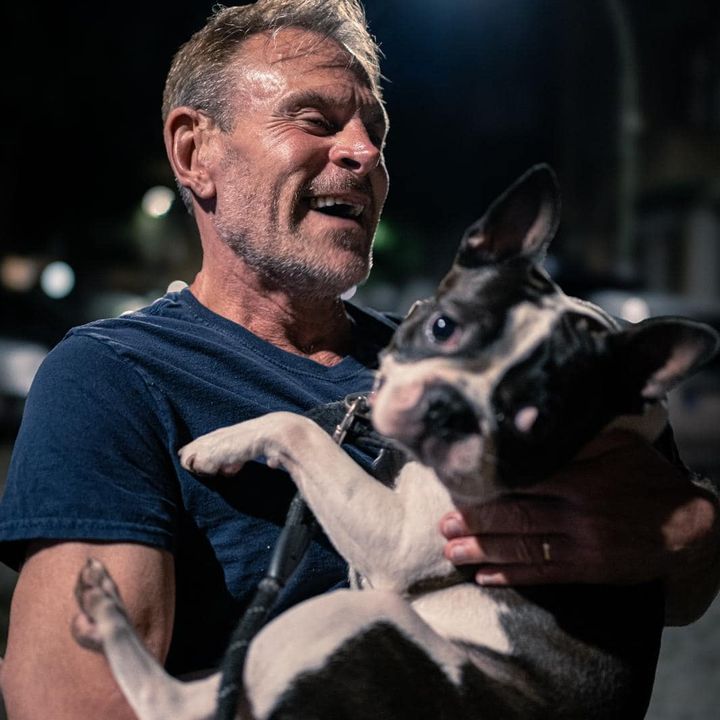
United States,April 7,2026-For the past 30 years, food tours have followed a familiar formula: large groups following a guide with an umbrella or a large sign. Small bites eaten at restaurants or on street corners are eaten from napkins or paper plates. A top 5 list of supposedly local foods. The scripts were recited, the stops predictable, and they gave a version of the city that felt curated for efficiency rather than discovery. It worked, to a point. But travellers have changed, and expectations around food, culture, and authenticity have changed with them.
The post-lockdown traveller is no longer looking to be “shown around.” They want to understand a place through the people who actually know the city and the food. That is where chef-led food tours begin to separate themselves from the traditional models.
A chef doesn’t guide a tour the way a scripted guide does. They interpret a city through instinct, relationships, and experience. They know which kitchens are consistent, which ones are having a good night, and which places are quietly shaping the local food scene without chasing attention. That level of awareness cannot be replicated with a script. AI can never replace observation and taste.
Group size is another defining factor. Traditional models prioritise volume, which limits flexibility. Chef-led tours operate differently. With fewer guests, the experience becomes fluid. Stops can evolve, conversations go deeper, and the evening feels less like a schedule and more like a progression. Chefs take ownership of their city, whereas guides are often on an hourly wage and rush the experience because they will not be paid additionally if they go over the set time.
There is also the question of access. Many of the most interesting places in any city are not built to handle large groups, but a table of 6 is accessible. These little eateries are often the heart of the city, personal, and often overlooked. Chefs, by nature of their profession, have access to these spaces. Not because they are “tour stops,” but because they are part of the same ecosystem.
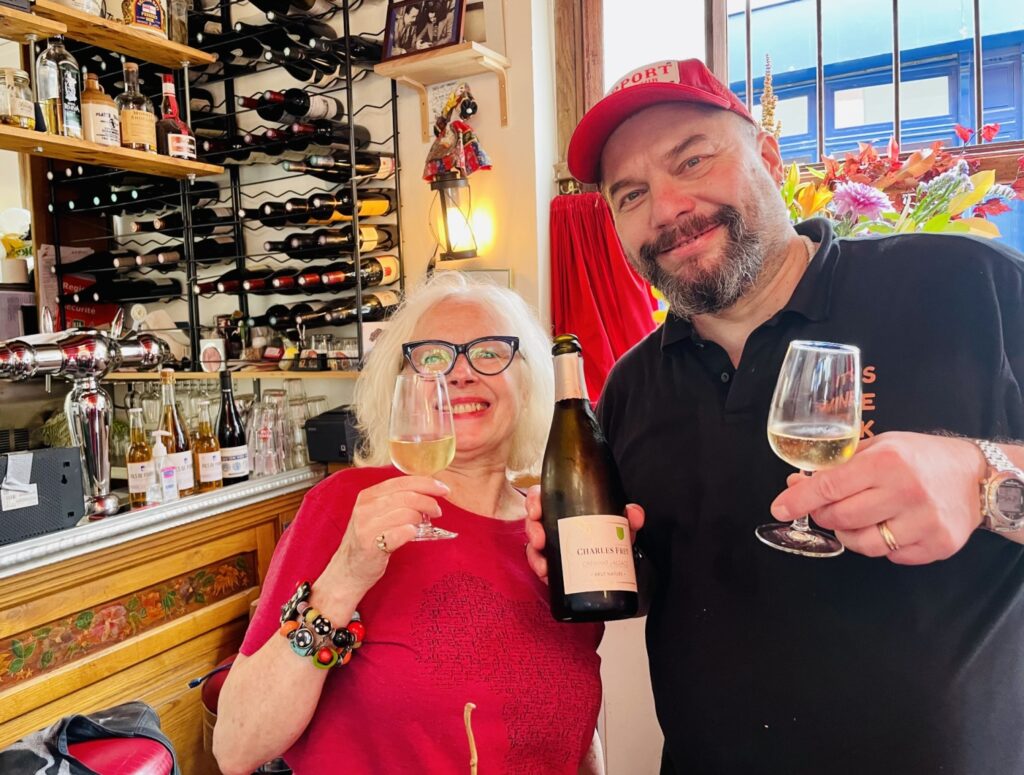
This creates something difficult to manufacture: trust. Guests are not just tasting food; they are stepping into a network of relationships that already exists. That changes the energy of the experience entirely.
Another shift is the move away from performance toward presence. Traditional tours rely on rehearsed storytelling. The script, the jokes, and the timing are all rehearsed. Chef-led experiences are conversational. They respond to the group, to the moment, and to the city as it is that day. No two tours unfold in the same way, and that unpredictability is part of the appeal.
This reflects a larger change in travel. People are moving away from passive consumption toward active participation. They want to feel something real, even if it is less polished. They want experiences that they are a part of rather than being a passive observer.
Chef-led food tours are not replacing traditional tours because they are trendier. They are replacing them because they align more closely with what travellers are actually looking for now: authenticity, connection, and a sense that what they experienced could not have been replicated elsewhere.
The Chef Tours came to our attention because of the novel approach they are taking in Buenos Aires. For two weeks, they are inviting guests to be participants (at a big discount) in the process of building the next tour in Buenos Aires. Which steak, empanada, wine, or dessert will make the final cut? It is a unique opportunity to see the behind-the-scenes mess of building a tour. Chef Karl Wilder and Milou will lead this.
And once you experience a city through someone who lives it daily, it becomes very difficult to go back to anything else. Chef PJ in Montmartre was their flagship tour, which featured a local restaurant owner who invites guests to live a day with him. It is unlike any other experience in the area.
If you’re curious how this looks in practice, these chef-led experiences are currently running in a few cities:
Paris (Montmartre) https://www.thecheftours.com/paris
Seville https://www.thecheftours.com/seville
Berlin https://www.thecheftours.com/berlin
Buenos Aires https://www.thecheftours.com/Buenos-Aires
Mexico City https://www.thecheftours.com/mexico-city
Each one is built by a chef who knows their city inside and out, and no two days or nights run the same way. The small group sizes mean you pay more, but we think it is worth it.
#FoodTourism #CulinaryTravel #TravelTrends #AuthenticExperiences #TheChefTours
