
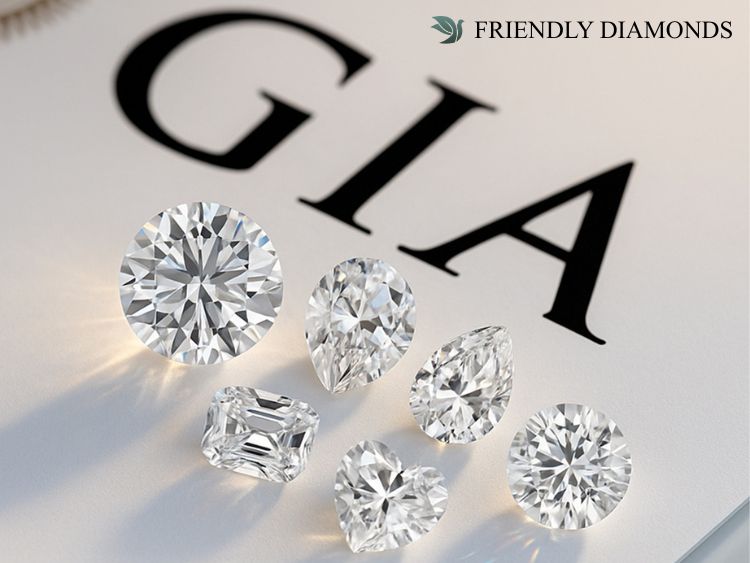
The diamond industry has completely changed. Lab-grown diamonds have moved from niche to mainstream fine jewelry. But as more buyers enter the market, one question keeps coming up. How do you really know what you are getting? The answer is certification.
For anyone exploring high-quality loose lab-grown diamonds, a grading certificate is not a formality. It is the single most important assurance a buyer can have.
Why Is Trust A Challenge In The Lab-grown Diamond Market?
Mined diamonds have centuries of trade tradition behind them. But cultured diamonds are relatively new to mainstream retail. This newness creates uncertainty. Consumers are often confused between stones and their qualities. There is no way to verify a seller’s claim without an independent evaluation. Prices become murky, and comparisons become impossible. Buyers don’t have an option but to trust the seller’s word. Certification solves all of these problems. They introduce a neutral and expert voice in the transaction.
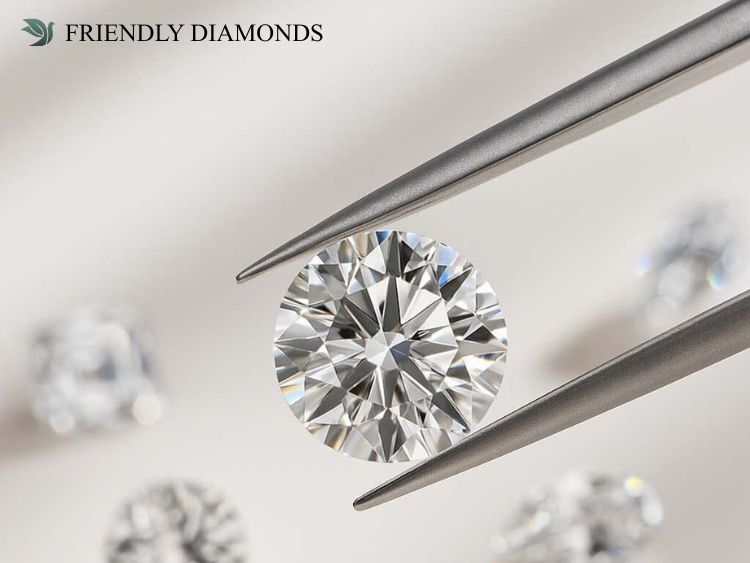
What Certification Actually Do?
A diamond grading report is issued by an independent gemological laboratory. Graders assess each stone and record their findings in a standardized document. This removes subjectivity from the equation.
A certified stone comes with a verified identity. The report tells buyers exactly what they are paying for. And it gives sellers a credible, third-party framework. They can use it to price their inventory fairly.
The Role Of Recognized Grading Institutions
Not all certificates carry the same weight. This is where reputation indeed matters. Stones graded by the International Gemological Institute, are among the most widely recognized in the cultured diamond space. IGI has developed specific grading standards. This makes their reports particularly relevant for buyers/retailers in this segment.
A certificate from a reputable institute like IGI helps you know that the diamond was graded based on the industry standards.
Consumer Confidence And Market Growth
Certificates don’t just protect buyers, it also lifts the entire market. When consumers trust what they are buying, they do it with more confidence. And when they purchase with confidence, the market grows.
Retailers that sell GIA diamonds and IGI diamonds tend to see fewer returns and stronger long-term loyalty. This kind of credibility for the lab-grown diamond industry is not optional. It’s essential. Certification has become a tool for building lasting market legitimacy.
To conclude
Certification has moved from a nice-to-have to an absolute must in the lab-grown diamond market. It brings clarity and peace of mind to buyers. It creates a trustworthy foundation for lasting customer relationships for sellers. And for the industry, it’s the mechanism through which real, lasting faith is built.
Are you on the lookout for certified cultured diamonds? Explore the Friendly Diamond’s collection. You are going to find something you love!
FAQs
Is a lab-grown certified diamond worth more?
Certification makes a huge difference when it comes to buyer confidence. A certified diamond is easier to price and simpler to compare with other stones. All this makes it the smarter choice.
Can I trust a lab-grown certificate from any lab?
Not every lab holds itself to the same standards. Reports from reputed labs carry more weight than those from lesser-known labs. It is always worth looking for certifications from reputable grading bodies.
Do lab-grown diamonds need a different type of certification?
The grading process is largely the same. But IGI and GIA have developed specific protocols for lab-grown stones. The 4 C’s still apply. But additional details like the growth method are typically included in the report as well.