
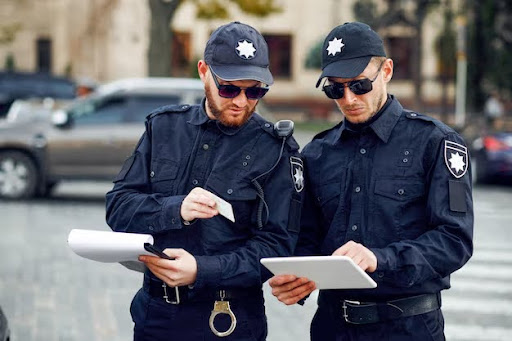
A successful law enforcement agency is built on effective communication. The ability to clearly communicate information, defuse tense situations, and build community trust is important for law enforcement. This guide examines the critical communication skills law enforcement needs, providing more information, data, and unique perspectives than are typically found in similar contexts.Developing these skills can help police with the public improve networks, improve community relations, and ensure security and order.
The Importance of Communication in Law Enforcement
Building Trust and Community Relations
Effective communication is key to building trust between law enforcement and the communities they serve. Open and respectful communication helps build relationships, fostering community cooperation and police efforts. Trust is essential to effective police training, as it encourages community cooperation in reporting crime and participating in community safety initiatives.
De-escalation and Conflict Resolution
Law enforcement agencies are often faced with situations that require conflict mitigation and resolution. Strong communication skills enable officers to calm agitated individuals, make peaceful decisions, and avoid the use of force.
Gathering Information and Evidence
Clear and effective communication is essential to the collection of accurate information and evidence. Whether interviewing witnesses, suspects, or victims, the ability to ask the right questions and actively listen can have a significant impact on the quality of the information gathered. This is critical for building complex cases and ensuring fairness.
Key Communication Skills for Law Enforcement Officers
Active Listening
Active listening involves paying full attention, understanding, and considering what others are saying. Active listening is essential for law enforcement officers when interacting with victims, witnesses, and suspects. It shows empathy, builds relationships, and ensures that all relevant cases are captured accurately by the police.
Verbal Communication
Verbal communication is necessary to clearly communicate information and instructions. This includes using the right tone, voice, and language that is appropriate for the situation. Police officers can deliver complex information in a concise manner and ensure that their message is understood.
Non-Verbal Communication
Nonverbal cues such as body language, facial expressions and eye contact play an important role in communication. Law enforcement officers need to be aware of their nonverbal cues and how they are perceived. Positive body language can convey confidence and openness, while negative cues can increase tension.
Emotional Intelligence
Understanding other people’s feelings as well as identifying and controlling your own emotions are components of emotional intelligence. Officers with high emotional intelligence are able to remain calm under pressure, have empathy, and handle emotionally charged situations effectively.
Cultural Competence
Cultural competence is the ability to understand, relate to, and communicate effectively with people within a culture. Regulators work in diverse communities and must understand cultural differences and practices. This includes recognizing cultural values, avoiding stereotypes, and showing respect for all members of the community.
Strategies for Improving Communication Skills
Regular Training and Workshops
Ongoing training and workshops are essential to develop and maintain effective communication skills.Topics may include conflict resolution, cultural competence, and active listening. Streamline your entire field police training program in one space with Tracwire.Training sessions can be used to provide practical, hands-on experience.
Use of Technology
Technology can help improve communication skills. Tools such as body-worn cameras and networking software can provide interactive data, helping officers identify areas for improvement. For example, Trackwire offers a complete solution for law enforcement training, including modules on effective communication techniques.
Mentorship and Peer Support
Mentoring programs and peer support groups allow less experienced officers to learn from seasoned veterans. These sessions provide an opportunity to discuss complex networks, share best practices and receive constructive feedback.
Community Engagement
Active community involvement helps develop communication skills and fosters positive relationships. Police can participate in community events, hold public meetings, and interact with the community on a regular basis. These interactions provide a valuable opportunity to practice communication skills in a non-adversarial environment.
Overcoming Communication Barriers
Language Barriers
Language barriers in different communities can hinder effective communication. Law enforcement should also consider language training when hiring multilingual officers.
Psychological Barriers
Psychological barriers such as stress, fear, and negativity can affect communication. To reduce these barriers, officers should receive training in stress management and implicit bias.
Environmental Barriers
Environmental factors such as noise and distractions can interfere with communication. Police officers should be trained to recognize and mitigate these barriers, for example by finding quiet areas for interviews or using clear and concise communication techniques in noisy environments.
The Role of Communication in Crisis Situations
Effective Communication During Crises
Effective communication is critical to ensuring public safety and coordinating crisis response efforts. Police must be able to give clear instructions, distribute accurate information and maintain peace and order. Police training in crisis communication techniques can enhance police officers’ ability to deal effectively with such situations.
Media Relations
Lawmakers often serve as spokespeople on important issues. Effective communication with the media is essential to obtaining accurate information and maintaining public trust. Police officers should be trained in media relations, including how to handle press conferences, provide information and respond to media questions.
The Impact of Effective Communication on Law Enforcement Outcomes
Reducing Use of Force Incidents
Effective communication skills can reduce energy consumption incidents. Using de-escalation techniques and conflict resolution techniques allows police to resolve situations peacefully, reducing the need for force
Enhancing Public Perception
Effective communication strategies increase public perceptions of legislation. When adults communicate respectfully and openly, they build trust and confidence, and increase community cohesion and support.
Improving Officer Safety
Effective communication contributes to police safety. Clear guidelines and orders can prevent misunderstandings and reduce the likelihood of conflict. Additionally, establishing relationships with the community can provide police with valuable information about potential threats.
Conclusion
Law enforcement professionals need to be proficient communicators. They enable officers to build trust, reduce conflict, gather accurate information, and improve overall public safety. By investing in ongoing training, using technology, and enhancing community engagement, law enforcement agencies can enhance the communication capacity of their officers.
