
Introduction:
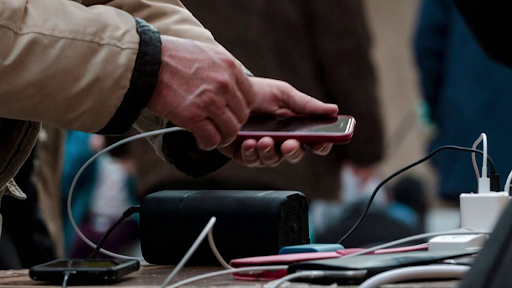
In the fast-paced world, public mobile phone charging stations offer an indispensable convenience, enabling people to charge their devices while on the go. The core components of these charging stations—outlets—are often manufactured using die-casting technology to ensure their durability and functionality. However, these seemingly harmless charging points may also harbor risks. In recent years, the FBI has issued warnings about the security of public charging stations, noting that they could serve as conduits for the spread of malicious software. This type of attack, known as “juice jacking,” threatens the security of devices and the privacy of personal information.
This article will explore the application of die-casting technology in the manufacturing of outlets for public charging stations and analyze the potential data security risks these stations may pose. Additionally, we will discuss how to protect our data while enjoying these conveniences, thereby avoiding becoming victims of cybercrime. This issue is not only a technical matter but also a crucial topic concerning our privacy and security.
Public charging stations, while providing a convenient way to charge our mobile devices, can also pose security risks. These risks mainly stem from an attack method known as “juice jacking,” where hackers install malicious software through the USB ports of charging stations to infiltrate connected devices and steal personal data.
The security risks of public charging stations include:
– **Data Theft**: When a device is connected to a charging station via USB, the data cable can transfer not only power but also data. This provides a pathway for malicious software to enter the device.
– **Malicious Software Installation**: Charging stations can be tampered with to install malicious software on connected devices without their owners’ knowledge.
– **Identity Theft**: Once a device is compromised, hackers can easily obtain personal information, such as login credentials, contact information, photos, and messages, which can lead to identity theft.
– **System Corruption**: Malicious software can damage the device’s operating system, leading to limited functionality or complete failure.
Preventive Measures:
– **Use Personal Chargers**: Whenever possible, use personal chargers and power outlets instead of public USB ports.
– **Data Blockers**: Use data blockers (USB data blockers), which prevent data transmission and allow only power to pass through.
– **Device Security**: Keep your device’s operating system and security software up to date to prevent attacks by malicious software.
Understanding these risks and taking appropriate preventive measures are crucial for protecting our personal information. As technology evolves, we need to continually raise awareness of these potential threats and take action to ensure our data security.
Regarding the outlets at charging stations, it’s important to mention die casting technology, as each outlet is covered with a protective shield, many of which are metal die castings. Die casting is a metal casting process that involves injecting molten metal into a precisely manufactured mold cavity under high pressure. This method can quickly produce metal parts that are complex in shape, precise in size, and smooth on the surface. Due to its efficiency and capability for mass production, die-casting technology is widely used in manufacturing, especially in industries requiring large quantities of metal parts, such as electronics, automotive, and household appliances.
The advantages of die-casting technology include:
– **High Production Efficiency**: Die casting machines can complete the entire process from mold closing, injection, and cooling, to mold opening and part removal in a very short time.
– **High Precision**: Die-cast parts can achieve very tight dimensional tolerances, reducing the need for subsequent machining.
– **Good Surface Quality**: Die-cast parts usually have a good surface finish, allowing for direct painting or other surface treatments.
– **Strength and Weight**: Die-cast parts can provide excellent strength and rigidity while maintaining a relatively low weight.
Honjenny (HJY), with 28 years of experience in die casting, has its core competitiveness in the expertise and technological accumulation in the die casting field. They offer not only standard die-casting services but also custom production according to client’s specific requirements. HJY’s die-cast parts are widely used in various industries, including but not limited to automotive, electronics, medical equipment, and consumer product packaging.
Through continuous technological innovation and strict implementation of the quality management system, HJY ensures that its products meet or even exceed customer expectations. Additionally, their commitment to environmental protection is reflected in their production processes, striving to achieve the goal of sustainable development. It is these factors that have established HJY’s good reputation in the die-casting industry and enabled long-term cooperative relationships with several internationally renowned brands.
In this era of growing digitalization, public mobile phone charging stations have brought great convenience to our daily lives. However, as discussed, these facilities could also become sources of risk for personal data leakage. Die-casting technology plays a crucial role in manufacturing the outlets for these facilities, ensuring their durability and functionality, but we must also be aware of the related security risks.
Through the discussion in this article, we have learned about the importance of protecting personal data and the preventive measures that can be taken when using public charging stations. We must remain vigilant and take proactive steps to protect our devices and personal information from compromise. Whether choosing to use personal chargers or updating the security software on our devices, every small step is an important component in ensuring our digital safety.
Finally, we should encourage technological innovation and improvement to enhance the security of public charging stations, while also raising public awareness about data security. Only by doing so can we ensure that our personal information is well protected while enjoying the conveniences of technology. This is a goal that requires the collective effort of all of us.
