
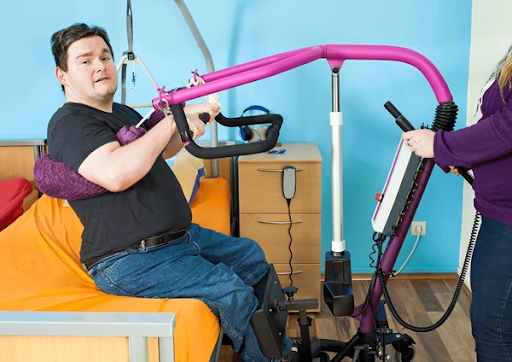
Overview
In hospitals and home care, standing assist devices and patient transferring solutions are vital to improving the lives of people with mobility limitations. They are safe, mobile and let patients live more independently. This comprehensive guide covers standing assist devices, benefits and how to use them, to improve patient care and reduce injuries.
Limited Mobility Challenge
Patients with limited mobility face many challenges in daily living. Simple tasks like getting out of bed to chair, standing up and moving around can be difficult without proper assistance. Without the right equipment and technique these tasks are a risk not only to the patient but to the caregiver as well and can lead to injuries and decreased quality of life. Standing assist devices and patient transferring solutions address these issues by providing safe and easy ways to help patients, reduce the risk of injuries and improve mobility.
Types of Standing Assist Devices
Standing assist devices come in many forms, each designed for different needs and situations. Here’s a breakdown:
Manual Standing Assist Devices
Manual standing assist devices rely on the caregiver to physically help the patient stand or transfer. These are more affordable but require a lot of strength and skill to use safely.
Powered Standing Assist Devices
Powered standing assist devices use electrical power to help patients, reducing the physical burden on caregivers. These have motors and controls to make transitions smooth and safe.
Sit-to-Stand Lifts
Sit-to-stand lifts are devices designed to help patients move from sitting to standing. They are ideal for patients who have some weight bearing capacity but need extra support to stand up safely.
How to Help a Patient Stand
Helping a patient stand up requires attention to safety and technique. Follow these steps to make the transition smooth and safe:
Preparation
Make sure the patient’s feet are flat on the ground and their body is aligned properly. This is the base for standing.
Positioning
Stand beside the patient, put your arms under their arms and around their back. This is the maximum support and control.
Lifting
On the count of three, lift the patient up to standing position using your legs not your back. This will prevent caregiver injury.
Stabilizing
Make sure the patient is stable once standing and provide extra support if needed.
Standing Assist Devices
What is a Standing Assist Device?
stand assist devices are equipment designed to help individuals move from sitting to standing position. These devices have handles or bars that patients can hold onto for support. They can be manual or powered and are used in hospitals, nursing homes and private homes. Standing assist devices improve mobility, independence and reduce falls.
Sit-to-Stand Lifts
A sit-to-stand lift helps patients move from sitting to standing. These are ideal for patients who can weight bear but need extra help to stand. Sit-to-stand lifts use a harness or sling to support the patient and a powered mechanism to lift. This reduces the physical burden on caregivers while ensuring patient safety.
How to use a Stand Aid: Step by Step
Using a stand aid involves several steps to be safe and effective. Here’s a guide:
Preparation
Position the stand aid correctly and make sure the patient is ready for transfer. This means the device is within reach and aligned with the patient’s body.
Attachment
Secure the patient’s harness or sling to the stand aid. Proper attachment is key to safe lifting.
Lifting
Use the device to lift the patient to standing position according to the manufacturer’s instructions. This is for patient safety and equipment longevity.
Stabilizing
Once the patient is standing make sure they are stable and comfortable before releasing the device.
Sit-to-Stand Lifts vs Hoyer Lifts
Knowing the difference between various lifting devices is important to choose the right one for you.
Sit-to-Stand Lifts
These are for patients who can weight bear but need help to move from sitting to standing. They provide support and reduce physical effort for caregivers.
Hoyer Lifts
Hoyer lifts for home use are for patients who can’t weight bear and need full assistance for transfers. These use a sling for hoyer lift to lift the patient from lying or sitting position, total support.
Types of Hoyer Lifts
Hoyer lifts come in two main types:
Manual Hoyer Lifts
Manual Hoyer lifts require manual pumping to raise and lower the patient. They are budget friendly and for areas where there is no power source available.
Electric Hoyer Lifts
Electric Hoyer lifts use battery powered mechanism to lift the patient, easier to use and reduces physical burden on caregivers.
How to use a Hoyer Lift with Sling: Step by Step
Using a Hoyer lift with sling involves several steps to be safe and comfortable:
Preparation
Roll the patient to one side and position the sling under them. Proper placement of the sling is key to safe lifting.
Attachment
Attach the sling’s straps to the lift’s hooks securely. This must be firm to prevent accidents during lift.
Lifting
Use the lift’s controls to lift the patient gently. Follow the lift’s instructions for operation to make it smooth and safe.
Transferring
Move the patient to desired location and lower them down safely. Do this slowly and carefully to avoid any sudden movement that may cause discomfort or injury.
Standing Assist Devices Innovations
Recent innovations in standing assist devices have made them more functional and user friendly. Innovations include automated lifting mechanism, ergonomic design and smart sensors to increase patient safety. These innovations aim to make patient transfers faster and less physically demanding for caregivers.
Automated Lifting Mechanism
Modern standing assist devices have automated lifting mechanism that provides smooth and controlled movement. This reduces manual effort from caregivers, making it safer and more efficient.
Ergonomic Design
Ergonomic design ensures both patient and caregiver are comfortable during transfers. These design consider human body natural movement and posture, reduces strain and risk of injury.
Smart Sensors
Smart sensors are built in some standing assist devices to monitor patient movement and ensure safety. These sensors can detect instability or abnormal movement and will trigger alarm to prevent falls or accidents.
For Caregivers
Caregivers are key to using standing assist devices effectively. Here’s what to do:
Training
Get trained on how to use assistive devices. Understanding the device’s functionality and limitations is key to safe and effective use.
Communication
Communicate with the patient during transfers. Explain each step and make sure the patient is comfortable and understands the process.
Safety
Always prioritize safety by following manufacturer’s guidelines and best practices. Inspect devices regularly for wear and tear and maintain them properly.
Real Life Case Studies and Testimonials
Many patients and caregivers have shared their positive experience with standing assist devices, how it affected their mobility and quality of life. These testimonials proves the importance of these devices in promoting independence and reducing injuries.
Case Study 1: Elderly Patient Mobility
An elderly patient with limited mobility had significant improvement in daily activities after using a sit-to-stand lift. The device allowed the patient to move more, reduce dependency on caregivers and overall well-being.
Case Study 2: Caregiver Strain
A caregiver had reduced physical strain after using a powered standing assist device. The automated feature of the device reduced the effort to assist the patient, better care quality and reduced risk of caregiver injury.
Testimonial: Independence
A patient shared how using a standing assist device gave them back their independence. Being able to stand up and move without constant assistance boost their self-esteem and quality of life.
Conclusion
Standing assist devices and patient transferring solutions like hoyer lifts for home use are essential in both hospital and home care settings. It’s critical for individuals with limited mobility. By knowing the different types of devices and how to use them, caregivers can improve patient care, reduce injury and overall quality of life.
