
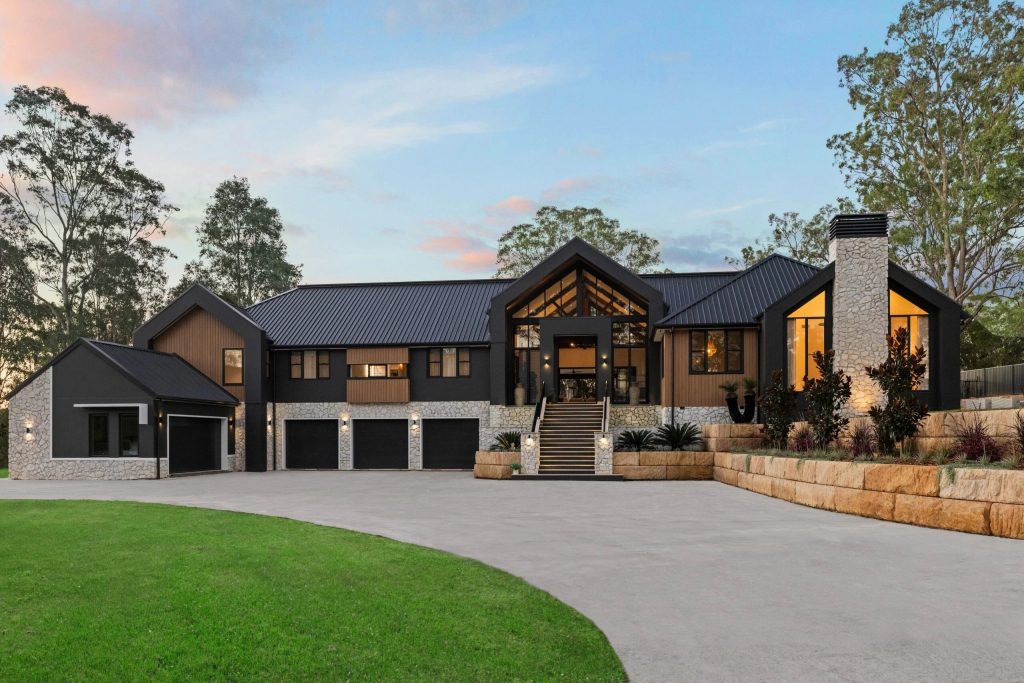
Building your dream home is one of the most exciting and rewarding experiences in life. However, one of the most critical decisions you’ll make along the way is selecting the right building designer to bring your vision to life. The designer you choose will shape every detail of your new home, from the floor plan to the finishes, ensuring that it’s not only beautiful but functional and tailored to your lifestyle.
But with so many building designers out there, how do you know which one is the best fit for your project? In this guide, we’re revealing the 7 secrets to help you find a building designer who understands your needs, aligns with your vision, and has the expertise to deliver a home you’ll love for years to come.
1. Understand the Role of a Building Designer
Before you begin your search, it’s important to understand what a building designer does and how they differ from other professionals in the construction industry. Building designers focus primarily on creating residential designs that are functional, aesthetically pleasing, and cost-effective. Unlike architects, who often handle large-scale commercial projects, building designers are experts in smaller, personal spaces like homes, duplexes, and renovations.
One of their main roles is to listen to your needs and translate them into a practical design that considers site conditions, local building regulations, and your budget. They also work closely with builders, ensuring that the design can be constructed efficiently and within the agreed-upon budget. By choosing a building designer, you get a customised design that meets your specific lifestyle requirements, with the added benefit of specialised expertise in residential projects.
2. Look for Relevant Experience
Not all building designers are created equal, and their experience can vary significantly depending on the types of projects they’ve worked on. One of the first things you should consider is whether the designer has experience with the style of home you want to build. For instance, if you’re dreaming of a sleek, modern home with clean lines and minimalist details, you’ll want a designer who has successfully completed similar projects. The same applies if you’re after a Hamptons-inspired retreat or a warm, Scandinavian-style home.
Reviewing the designer’s portfolio is the best way to get a sense of their experience and style. Look for diversity in their work but also check whether they’ve designed homes that align with your vision. Don’t be afraid to ask for details about specific projects, including the challenges they faced and how they solved them. The more information you have upfront, the easier it will be to determine if they’re the right fit.
3. Review Client Testimonials and References
One of the best ways to get insight into a building designer’s work is by hearing from their past clients. Client testimonials, online reviews, and references can provide valuable information about the designer’s work ethic, communication skills, and ability to meet deadlines and budgets.
When reviewing testimonials or speaking with references, pay attention to the following:
- How well did the designer listen to the client’s needs and ideas?
- Were there any unexpected costs or delays during the project?
- How smooth was the communication throughout the design process?
- Was the client satisfied with the final design and overall experience?
Remember, a designer’s reputation is built on more than just their technical skills. A good designer will have a strong track record of positive relationships with their clients, ensuring that they are responsive, adaptable, and committed to delivering a high-quality result.
4. Consider Their Knowledge of Local Building Regulations
When designing a new home, it’s crucial that the building complies with local regulations and zoning laws. These regulations can vary significantly depending on your location, and navigating them can be challenging without the right expertise. This is why working with a building designer who has in-depth knowledge of local council rules and regulations can be a major advantage.
An experienced building designer will be familiar with the intricacies of the local planning process, ensuring your home meets the necessary building codes and requirements from the outset. They’ll also have experience designing homes that take into account local environmental factors, such as flood zones, bushfire risk areas, and the orientation of the home to maximise natural light and energy efficiency.
By choosing a designer with local knowledge, you’ll avoid potential headaches and delays later on in the building process. You’ll also have peace of mind knowing that your design complies with all legal requirements, making the approval process smoother and faster.
5. Evaluate Their Design Process
Every building designer approaches a project differently, so it’s essential to understand their process before you hire them. A well-structured and transparent design process will help ensure that your vision is accurately captured, your budget is respected, and your timeline is maintained. Here are some key aspects to consider:
- Initial Consultation: The first step in any project is the consultation. A good designer will take the time to get to know you, your needs, and your lifestyle. They should ask detailed questions about your vision, budget, and any must-have features for your new home.
- Concept Development: After gathering your input, the designer will create a concept that reflects your ideas. This may include sketches, floor plans, and 3D models to help you visualise the final design. Make sure the designer is open to feedback and revisions during this stage to ensure the concept fully aligns with your vision.
- Budget Considerations: A great designer will work within your budget and offer suggestions on materials or design changes that can help you save money without compromising on quality or style.
- Collaboration with Builders: Some building designers will continue to work with your builder or project manager throughout the construction phase, ensuring the design is properly executed and addressing any issues that arise on-site.
Understanding how a designer approaches each of these steps will give you a better sense of whether they’ll be a good match for your project.
6. Check Their Licences and Accreditation
In Australia, building designers must be licenced in accordance with state regulations. Before hiring anyone, verify that they hold the necessary licences and certifications. Membership in professional organisations, such as the Building Designers Association of Australia (BDAA), is another strong indicator that the designer adheres to industry standards and is committed to continuous professional development.
Being licensed not only ensures that the designer has met the required education and experience levels but also provides protection for you as a client. You’ll know that the designer is bound by a code of conduct and legal requirements that safeguard the quality of the work.
7. Assess Compatibility
Finally, one of the most important yet often overlooked factors in choosing a building designer is compatibility. Building a new home is a personal and sometimes long process, so it’s essential that you feel comfortable working with your designer. Consider their communication style, how well they listen to your ideas, and whether they respect your input.
Compatibility also extends to how they handle problem-solving. Are they flexible and willing to adapt when challenges arise? Do they offer creative solutions that align with your budget and vision? A strong working relationship will not only make the process smoother but will also ensure a more successful outcome.
Conclusion: Your Dream Home Starts Here
Finding the right building designer is about more than just their qualifications—it’s about trust, communication, and shared vision. By following these 7 secrets, you’ll be able to choose a building designer who not only has the expertise but is also the perfect fit for your project. With the right designer on board, your dream home will become a reality, designed to your specifications and built to stand the test of time.
