
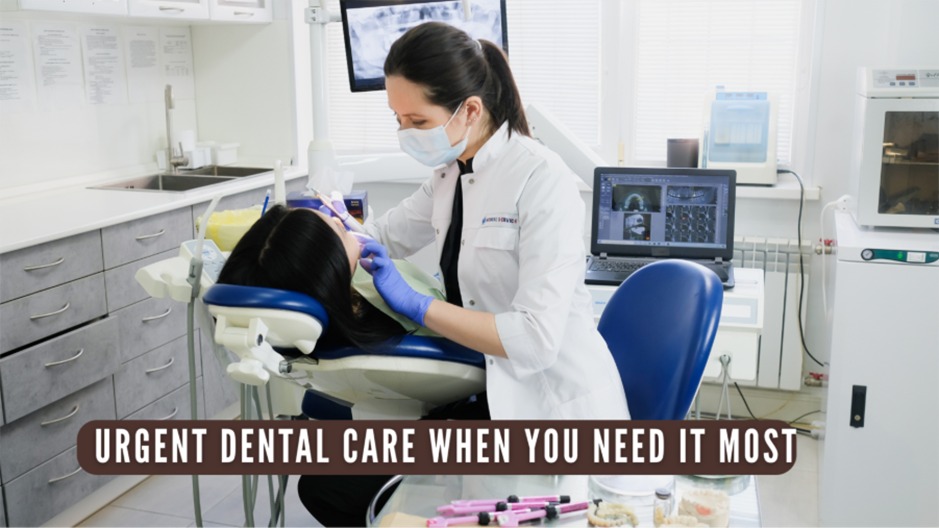
Toothache in the middle of the night, chipped tooth at lunch, or swelling that does not go away; these are all emergencies that need immediate attention.
Dental emergencies are stressful, painful, and when unaddressed, they can provoke even more severe problems. During such emergency cases, it is always a relief to know where to go and receive emergency dental services.
A scheduled appointment cannot be an option in case you cannot manage pain on a daily basis or damage threatens your oral health.
In this blog post, you will learn what urgent dental care means, what situations demand this kind of dental care, and how to act promptly and preserve your oral health.
Understanding Urgent Dental Care

Emergency dental care deals with problems that are acute, causing intense pain, bleeding, or risk of incurring harm that may be irreversible. These appointments, unlike regular dental check-ups, are aimed at stabilizing the problem as soon as possible to prevent further progression.
The majority of urgent dental clinics work on a flexible time basis or provide same-day treatment to address any emergency cases. Whether the problem is traumatic or infection-related, an early intervention can decrease complications and speed up recovery.
You must, however, ensure that you choose a certified urgent dental care centre that offers prompt services and is located near your home. As an example, in case you live in Exeter, you should select the finest emergency dentist Exeter as they are easily accessible, and provide prompt and cost-effective services.
Common Situations That Require Immediate Attention
Tooth troubles do not wait for appointments, and some of these require immediate attention to avoid long-term damage. Here are the most urgent cases when immediate treatment in a dental clinic is obligatory.
1. Severe Toothache
A toothache that continues or is severe may indicate deep decay, infection, or an injured nerve. Over-the-counter pain medication could help relieve the pain, but they are not effective in dealing with the underlying cause. Putting off treatment threatens the risk of infection spreading, which may result in abscesses or systemic health problems.
With an urgent dental visit, a dentist can quickly diagnose and administer treatment specific to the individual dental issue, such as a root canal or tooth extraction, to halt the pain and further damage.
2. Chipped or Broken Teeth
Accidents, sports injuries, or even biting into something hard can cause a tooth to chip or break. If untreated, sharp edges can injure the tongue or cheeks, and the exposed inner layers of the tooth can become infected.
Urgent dental care can smooth the edges, place a temporary crown, or perform bonding until a permanent restoration is completed.
3. Knocked-Out Tooth
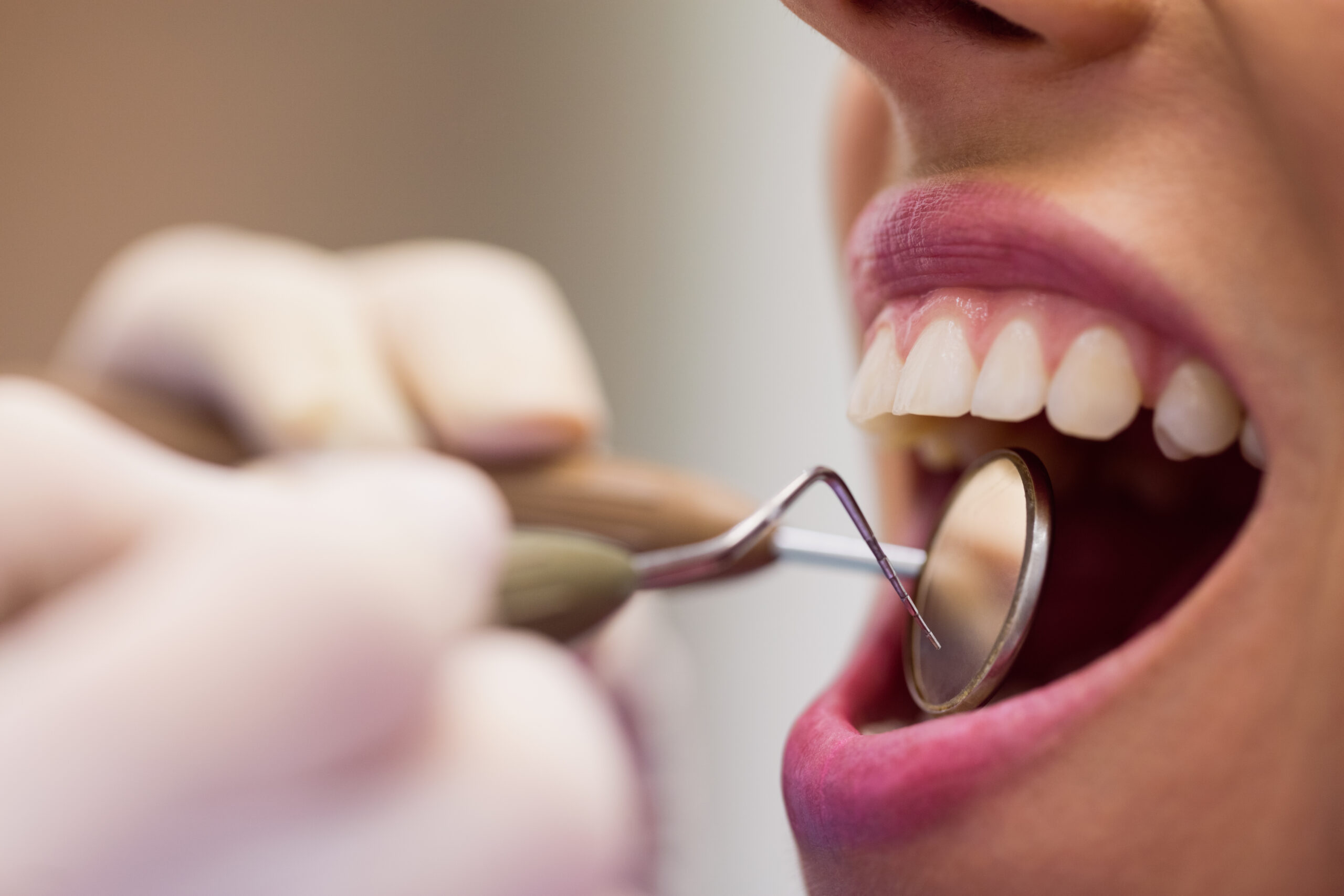
Time is crucial when a tooth is knocked out. If you act within 30 minutes to an hour, the chances of saving it are significantly higher.
Handle the tooth by the crown (not the root), then gently rinse it with water, and try to place it back in its socket. If that’s not possible, keep it moist in milk or saline solution and get to a dental clinic immediately.
4. Dental Abscess
An abscess is a pocket of pus caused by a significant bacterial infection. It often results in throbbing pain, swelling, fever, and even difficulty breathing or swallowing in severe cases. Without urgent treatment, the infection can spread beyond the jaw and become life-threatening.
Immediate drainage and antibiotics are usually necessary to control the infection and prevent serious complications.
5. Lost or Damaged Dental Restorations
Crowns, fillings, and bridges can loosen or fall out, exposing sensitive tooth structures. This can cause discomfort and leave teeth vulnerable to decay.
Urgent dental visits can replace or secure restorations, protecting your teeth from further damage while preventing pain from worsening.
How to Act During a Dental Emergency?
Knowing what to do before reaching the urgent dentist clinic can preserve your oral health and increase the chances of a successful outcome.
- Stay Calm and Assess Your Situation – Panic can cloud your judgment. Take a moment to evaluate the severity of the problem.
- Control Bleeding – Apply gentle pressure on the affected area with clean gauze or a cloth until bleeding stops.
- Manage Pain and Swelling – Use a cold compress on the affected area to reduce swelling. Also, avoid placing aspirin directly on the gums, as it can cause burns.
- Preserve Any Dislodged Teeth or Fragments – Store them in milk or saline solution to keep tissues moist.
- Call an Urgent Dental Clinic Immediately – Many offer emergency lines or after-hours services for prompt care.
Benefits of Seeking Urgent Dental Care Promptly
1. Pain Relief Without Delay
Dental pain can interfere with eating, sleeping, and even speaking. Urgent care addresses the cause directly, providing immediate relief and restoring normal function.
2. Preventing Long-Term Damage
Quick treatment can mean the difference between saving and losing a tooth. Early intervention prevents infections from spreading and limits the need for extensive future procedures.
3. Avoiding Higher Costs
Emergency care might seem expensive, but ignoring the problem can lead to significant and costly treatments later. Treating issues at their early stages reduces both medical and financial burdens.
Final Thoughts
Urgent dental care is about acting swiftly when problems strike without warning. From severe toothaches to knocked-out teeth, the right response can preserve your smile and protect your health.
Being prepared—knowing what constitutes a dental emergency, how to respond, and where to go—ensures you get the help you need, exactly when you need it most.
Your teeth are worth that immediate attention, and the peace of mind it brings is invaluable.