
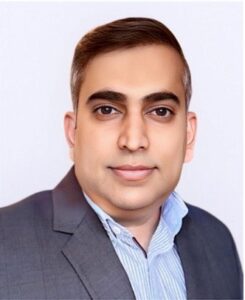
For decades, workplace safety has often been viewed through a narrow lens, focusing on meeting compliance requirements, passing audits, and minimizing liability. But according to Faisal Majeed, a seasoned Health, Safety, and Environmental (HSE) engineering leader, that approach is no longer sufficient. As a Certified Safety Professional (CSP) and Certified Machinery Safety Expert (CMSE), with critical leadership positions at globally renowned companies, Mr. Majeed states:
“Safety is not just about checking boxes on a compliance list. It’s about building systems that anticipate risks, protect workers proactively, and foster trust between employers and employees.”
With more than 20 years of international experience in industries ranging from chemicals to consumer goods, Majeed has seen firsthand how traditional models fall short in an increasingly complex world of global supply chains, high-speed automation, and rising sustainability demands.
The Role of Technology in Modern HSE
One of the most transformative shifts in recent years has been the integration of artificial intelligence (AI), data analytics, and immersive technology into workplace safety. Majeed has been at the forefront of this transition, leading initiatives that combine predictive analytics with AI-enabled monitoring systems and VR-based training programs.
“We can no longer rely solely on incident investigations after the fact,” he says. “AI and computer vision allow us to identify risks in real time, prevent accidents before they occur, and even simulate hazardous scenarios so employees can learn safely in a virtual environment.”
His contributions include developing data-driven safety maturity frameworks for multinational operations, introducing algorithmic risk management models for fleet safety, and designing VR training simulations that prepare workers for high-risk situations without exposure to danger.
Why Small Businesses Can’t Be Left Behind
While technological advancements are reshaping safety in large corporations, Majeed stresses the importance of extending these tools to smaller enterprises. He founded WorkSafePlace AI, a startup focused on providing cost-effective, AI-powered safety solutions to small and medium-sized manufacturers.
“SMEs make up the backbone of most economies, yet they often struggle with limited resources to meet safety requirements,” he notes. “By leveraging digital tools, we can give them access to the same level of protection as global companies, affordable, scalable, and tailored to their needs.”
Through wearable devices, IoT sensors, and predictive dashboards, his company helps SMEs monitor hazards, train staff through VR modules, and maintain compliance with regulatory standards without the prohibitive costs of traditional programs.
The Future of Workplace Safety
Looking ahead, Majeed envisions a future where AI-powered audits, predictive risk models, and immersive training are as standard as hard hats and fire extinguishers. He believes industries that embrace this transformation will lead not only in safety performance but also in competitiveness and sustainability.
Majeed’s message is clear: the safety conversation must expand beyond compliance toward resilience and innovation. “When businesses view safety as an investment, they not only protect their workforce but also improve productivity, build community trust, and create long-term economic value,” he emphasizes.
“The workplaces of tomorrow will be smarter, safer, and more human-centered,” he concludes. “Our challenge today is to make sure we bridge the gap between compliance and innovation before lives are put at risk.”
This article was written by journalist Vinícius Alonso.
Media Contact
Company Name: Corporate Journalist
Contact Person: Vinicius Longui Alonso
Email: viniciuslonguialonso@gmail.com
Phone: +55 18 98121-2564
Address: 25 Santa Rosa Street, Vila Lessa
Website Link – https://about.me/longuialonso
