
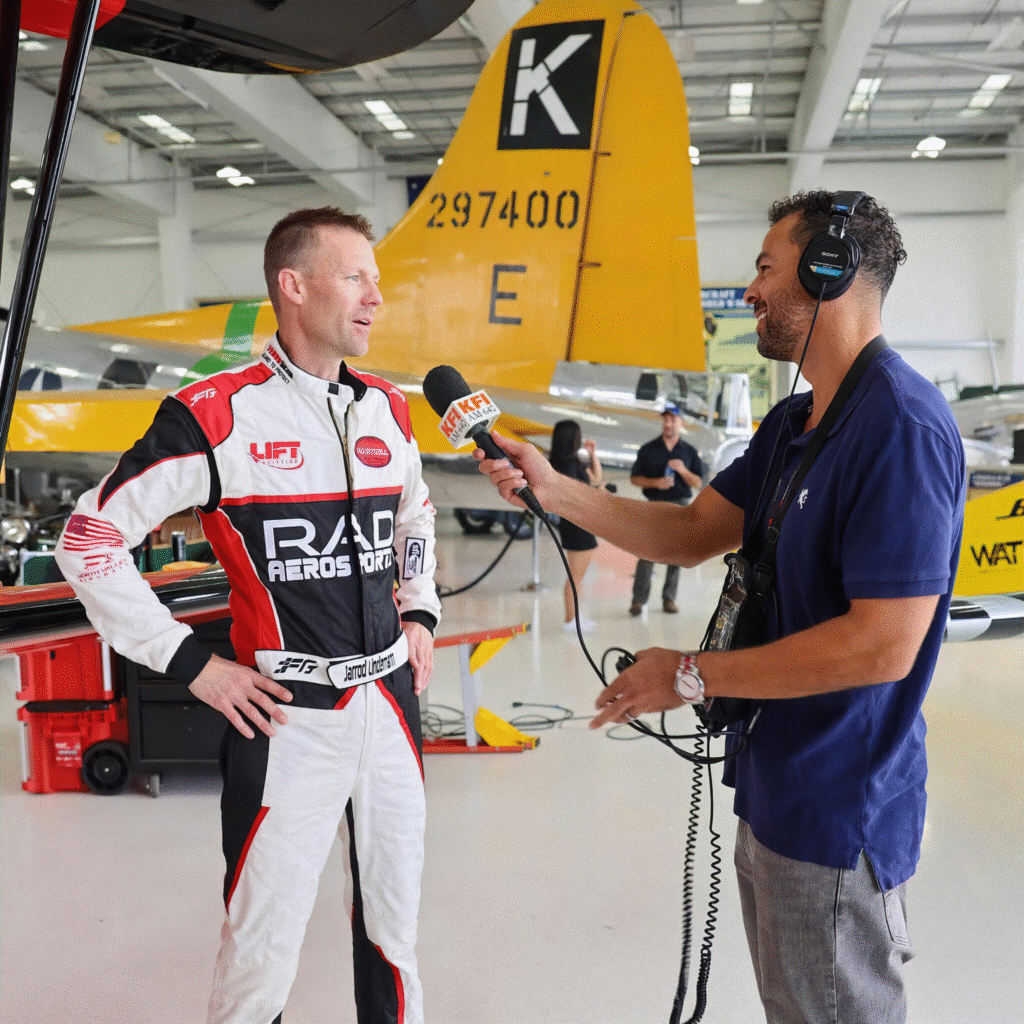
United States,Sep 25,2025-The roar of engines. The smell of burning rubber. The thrill of speed.
For many, motorsports represents pure adrenaline and entertainment. But for racing entrepreneurs, it’s a multi-billion dollar business opportunity.
The motorsports industry generates over $69.2 billion in annual economic impact across the United States alone, supporting more than 318,000 jobs. From team owners raking in millions to track operators building steady six-figure incomes, racing entrepreneurs occupy every level of this high-octane ecosystem.
But here’s the thing: earnings vary dramatically based on your niche, location, and business model. A NASCAR team owner like Rick Hendrick operates with a $1 billion net worth, while a local go-kart track owner might earn $50,000 to $150,000 annually. The gap between motorsports moguls and grassroots entrepreneurs is massive.
Whether you’re dreaming of owning a racing team, building a track, or starting an equipment business, understanding the financial landscape is crucial. This guide breaks down exactly what racing entrepreneurs earn across different sectors, revealing both the opportunities and challenges in this thrilling industry.
The Racing Entrepreneur Landscape
Racing entrepreneurship spans far beyond what most people imagine.
Sure, team owners get the spotlight. But the motorsports ecosystem includes dozens of profitable business models.
Track owners and operators form the foundation. Without venues, there’s no racing. These entrepreneurs manage everything from Formula 1 circuits generating millions in revenue to local karting centers serving weekend warriors.
Equipment manufacturers and safety gear companies power the industry. Every driver needs helmets, suits, gloves, and shoes. Every car requires specialized parts. This creates massive B2B opportunities for entrepreneurs with technical expertise.
Service providers fill crucial gaps. Think driving instructors, mechanics, transport companies, and event organizers. These businesses often require lower startup costs while generating steady income streams.
Technology entrepreneurs are disrupting traditional models. Racing simulators, timing systems, and data analysis platforms represent the industry’s cutting edge.
The beauty of racing entrepreneurship lies in its diversity. Whether you have $10,000 or $10 million to invest, profitable opportunities exist at every level.
Racing Team Owners: The Big Money Players
Racing team ownership represents the pinnacle of motorsports entrepreneurship.
At the top tier, NASCAR team owners like Roger Penske ($6.1 billion net worth) and Rick Hendrick ($1 billion net worth) operate multi-hundred-million-dollar enterprises. Hendrick Motorsports, the richest NASCAR team, generates nearly $120 million annually in sponsorship revenue alone.
But team ownership isn’t just about the money you make. It’s about the money you spend first.
Formula 1 team budgets range from $150 million to over $400 million per season. NASCAR Cup Series teams typically invest $15-20 million annually. Even lower-tier professional series like IMSA require budgets of $2-5 million per car.
Here’s where smart entrepreneurs find their edge: custom double-layer SFI 3.2A/5 nomex racing suit suppliers and safety equipment providers serve these big-budget teams while maintaining healthy profit margins. Every professional driver needs certified safety gear, creating consistent demand regardless of economic conditions.
Team owners generate revenue through multiple streams. Sponsorship deals provide the largest chunk, with top NASCAR sponsors paying $300,000+ per race. TV revenue sharing adds another layer, with NASCAR distributing billions to chartered teams annually. Prize money, merchandise sales, and licensing deals round out the income portfolio.
The catch? Most team owners don’t rely solely on racing income. Roger Penske built his fortune through Penske Corporation’s transportation empire. Michael Jordan brings basketball wealth to 23XI Racing. Racing team ownership often serves as marketing for larger business interests rather than a standalone profit center.
For aspiring team owners, starting small is key. Grassroots racing teams in series like Spec Miata or Formula Ford require $100,000-$500,000 annual budgets. Success at lower levels can attract sponsors and drivers with funding, creating pathways to professional racing.
Revenue Breakdown for Professional Teams
Professional racing teams operate complex financial structures. Understanding these revenue streams is crucial for potential team owners.
Sponsorship typically accounts for 60-80% of team revenue. Title sponsors pay millions for prominent car placement, while associate sponsors contribute smaller amounts for decal space. Corporate hospitality packages add premium income during race weekends.
Driver fees represent another significant revenue source. In many series, drivers pay teams for their seats. These “pay drivers” might contribute $500,000 to $2 million per season, depending on the series and car quality.
Technical partnerships with manufacturers provide both financial support and equipment. Factory-backed teams receive engines, parts, and technical support worth millions annually.
Track Owners and Facility Operators
Racing track ownership offers more predictable income than team ownership, but requires significant upfront investment.
Car racing track owners typically earn between $40,000 and $150,000 annually for smaller regional facilities. Larger, well-positioned tracks in prime locations can generate mid to upper six-figure incomes. The average income varies significantly based on location, with tracks in regions experiencing up to 40% revenue fluctuations depending on their strategic positioning.
Profit margins for successful tracks typically range between 10-25%. Location dramatically impacts profitability, with tracks in warm-weather regions operating longer seasons and generating higher revenues.
Revenue streams for track owners include event hosting, track rentals, driving experiences, corporate events, and ancillary services like food and merchandise sales. Major racing events can surge daily income significantly due to increased attendance and associated spending.
Track owners face substantial operational costs. Maintenance typically consumes 20-30% of revenue. Insurance, staffing, and regulatory compliance add additional expense layers. Successful track operators focus on maximizing utilization rates during peak periods while controlling costs during slower seasons.
The key to track profitability lies in diversification. Smart owners host multiple event types: racing series, track days, driving schools, corporate team building, and private parties. This strategy smooths revenue fluctuations and maximizes facility usage.
Go-Kart Track Operations
Go-kart tracks represent a more accessible entry point for racing entrepreneurs.
Kart racing business owners typically earn between $50,000 and $150,000 annually. Indoor facilities in prime urban locations can generate $300,000 to over $1,000,000 in annual revenue, with successful operations achieving net profit margins of 10-20%.
Operating costs for karting facilities typically account for 30-40% of revenue. Electric kart operations reduce maintenance costs compared to gas-powered alternatives while providing cleaner, quieter experiences that work better in indoor environments.
Party and group bookings often constitute 30-50% of karting facility revenue. Corporate events, birthday parties, and team building activities command premium pricing and help stabilize income during off-peak periods.
Racing Equipment and Safety Gear Manufacturers
The racing equipment industry offers substantial opportunities for entrepreneurs with technical expertise and manufacturing capabilities.
Safety gear represents a particularly stable market segment. Every racing series mandates specific safety standards, creating consistent demand for certified helmets, suits, gloves, and shoes. Professional racing suits can retail for $1,000-$3,000, while entry-level gear serves grassroots racers at more accessible price points.
Successful equipment manufacturers typically serve multiple market segments. Professional-grade products command premium pricing but require significant certification investments. Entry-level products serve the larger amateur market with higher volume but lower margins.
The key to success in racing equipment lies in understanding certification requirements. Industry research shows that American workers in the motorsports industry earn more than $22.1 billion worth of wages and benefits, highlighting the substantial market size for equipment suppliers.
Distribution strategies vary significantly. Some manufacturers focus on direct-to-consumer sales through online channels, while others partner with racing shops and distributors. Trade shows and racing events provide crucial marketing opportunities for equipment entrepreneurs.
Market Segmentation in Racing Equipment
Racing equipment markets segment clearly by price and performance levels.
Professional-grade equipment serves sponsored drivers and serious competitors. These customers prioritize performance and certification over price considerations. Margins can reach 40-60% for innovative products with strong brand recognition.
Amateur and grassroots markets focus more heavily on value and accessibility. Entry-level safety gear and performance parts serve weekend racers and karting enthusiasts. Volume typically compensates for lower per-unit margins.
Specialty and custom equipment represents the highest-margin segment. Bespoke race suits, custom helmets, and specialized components command premium pricing but require significant expertise and craftsmanship.
Karting and Simulation Centers
Karting centers and racing simulators represent growing segments of the racing entertainment industry.
Traditional go-kart facilities generate revenue between $200,000 and $500,000 annually for well-positioned operations. Indoor tracks benefit from year-round operation and can achieve higher revenue densities due to controlled environments and extended operating hours.
Racing simulator centers offer unique advantages for entrepreneurs. Lower space requirements, reduced maintenance costs, and the ability to offer various racing experiences make simulators attractive business models. Startup costs range from $40,000 to $80,000 for small-scale operations, while high-end centers can require investments of $200,000 or more.

Mixed reality (MR) karting represents an emerging opportunity combining physical racing with virtual game elements. These hybrid experiences command premium pricing and attract tech-savvy customers willing to pay more for unique entertainment.
Revenue optimization in karting and simulation centers depends heavily on throughput management. Successful operators use dynamic pricing strategies, maximize session utilization, and develop membership programs to encourage repeat visits.
Operational Considerations for Karting Centers
Karting center profitability requires careful attention to operational efficiency.
Staffing costs typically represent the largest operational expense. Smart operators cross-train employees across multiple roles to maintain flexibility while controlling labor costs. Automated systems for timing, scoring, and customer check-in reduce staffing requirements.
Maintenance schedules directly impact profitability. Electric karts require less maintenance than gas-powered alternatives but demand proper battery management. Regular preventive maintenance prevents costly downtime and ensures consistent customer experiences.
Insurance and safety compliance represent non-negotiable expenses but vary significantly by location and operation type. Working with specialized insurance providers familiar with motorsports risks often yields better coverage at competitive rates.
Factors Affecting Racing Entrepreneur Earnings
Location plays a crucial role in racing business success. Urban areas and racing hotbeds like North Carolina, California, and Florida offer larger customer bases and higher spending power. However, competition is typically more intense in these markets.
Seasonality affects most racing businesses. Tracks in warmer climates operate longer seasons, while northern facilities face winter shutdowns. Smart entrepreneurs develop strategies to smooth seasonal revenue fluctuations through indoor activities, simulator experiences, or complementary business lines.
Capital requirements vary dramatically across racing business models. Team ownership demands millions in working capital, while service-based businesses might start with minimal investment. Understanding cash flow patterns is crucial, as racing businesses often experience significant seasonal variations.
Regulatory compliance adds complexity and cost to racing entrepreneurship. Safety regulations, environmental requirements, and local zoning laws all impact operations. Staying current with changing regulations is essential for long-term success.
Customer demographics influence pricing strategies and marketing approaches. Corporate clients typically have higher budgets and less price sensitivity than individual enthusiasts. Understanding your target market drives everything from facility design to pricing strategies.
Economic Factors and Market Conditions
Economic conditions significantly impact racing businesses since motorsports are typically discretionary spending.
During economic downturns, amateur participation often declines first. Professional racing may maintain stability due to existing sponsorship contracts, but renewal rates can suffer. Diversified revenue streams help weather economic volatility.
Fuel prices affect both track operations and customer participation. Higher gas prices increase operational costs while potentially reducing customer travel to facilities. Electric alternatives in karting help insulate businesses from fuel price volatility.
Corporate spending patterns influence B2B racing businesses disproportionately. Corporate team building events, hospitality programs, and sponsorship budgets fluctuate with business confidence levels.
Maximizing Profits in Racing Business
Successful racing entrepreneurs focus relentlessly on revenue diversification. Single-revenue-stream businesses face significant risk during economic downturns or seasonal fluctuations.
Technology integration improves operational efficiency while reducing labor costs. Automated timing systems, online booking platforms, and customer relationship management systems all contribute to improved profitability. Smart operators invest in technology solutions that streamline operations and enhance customer experiences.
Partnership development creates win-win opportunities. Racing schools partner with tracks for venue access. Equipment manufacturers sponsor racing series for marketing exposure. Successful entrepreneurs actively seek complementary partnerships.
Cost management requires constant attention. Regular expense audits identify opportunities for savings without compromising safety or customer experience. Energy-efficient lighting, preventive maintenance programs, and bulk purchasing arrangements all contribute to improved margins.
Customer retention costs significantly less than new customer acquisition. Membership programs, loyalty rewards, and excellent customer service build lasting relationships that provide predictable revenue streams.
Data-driven decision making separates successful racing entrepreneurs from struggling operations. Understanding customer patterns, peak usage times, and revenue per customer enables optimization of pricing, staffing, and marketing investments.
Revenue Stream Optimization
Successful racing businesses develop multiple revenue streams that complement their core operations.
Retail sales of equipment, merchandise, and refreshments add high-margin revenue. Many track operators report that pro shop sales contribute 15-25% of total revenue with significantly higher margins than track rental income.
Corporate events and team building activities command premium pricing while utilizing facilities during traditionally slower periods. These events often include catering, equipment rental, and instruction services for comprehensive packages.
Racing schools and instruction services leverage expertise while generating additional revenue. Experienced drivers can monetize their knowledge through coaching services, creating personal income streams alongside facility operations.
Event hosting for racing series creates substantial revenue opportunities. Sanctioned racing events bring participants who pay entry fees, require fuel and food, and often rent equipment. These events showcase facilities while generating multiple revenue streams.
The Financial Reality of Racing Entrepreneurship
Racing entrepreneurship offers genuine opportunities for financial success, but requires realistic expectations and strategic planning.
The most successful racing entrepreneurs treat their businesses as businesses first, hobbies second. Passion for motorsports provides motivation, but profitability requires discipline, planning, and continuous optimization.
Startup costs vary dramatically, but most successful racing businesses require substantial initial investment. Whether launching a karting center, racing team, or equipment company, undercapitalization remains the primary cause of business failure.
Cash flow management becomes crucial in seasonal businesses. Successful operators build reserves during peak periods to sustain operations during slower seasons. Line of credit arrangements provide flexibility for unexpected expenses or opportunities.
The industry rewards innovation and excellent customer service. Racing enthusiasts are passionate customers who appreciate quality experiences and will pay premium prices for exceptional service. This creates opportunities for entrepreneurs who focus on delivering value.
Professional development and networking within the racing community accelerate success. Industry associations, trade shows, and racing events provide crucial connections and business development opportunities. The racing community, while competitive on track, often collaborates in business ventures.
Risk management requires careful attention in an inherently dangerous sport. Proper insurance coverage, safety protocols, and legal compliance protect against devastating liabilities. Working with professionals experienced in motorsports law and insurance is essential.
The future looks bright for racing entrepreneurs who adapt to changing market conditions. Electric vehicles, simulation technology, and evolving safety standards create new business opportunities while traditional racing markets continue growing globally.
Success in racing entrepreneurship isn’t guaranteed, but the opportunities are real. From six-figure track operations to million-dollar team ownership, passionate entrepreneurs with solid business fundamentals can build profitable careers in this exciting industry. The key lies in matching your resources, skills, and risk tolerance with the right opportunity in this diverse and dynamic market.
Contact Details:
Address: FervoGear
8751 Collin McKinney Pkwy
Ste 1102, PMB 61
McKinney, TX 75070
United States
Email: support@fervogear.com
Tel: (979) 356-3535
