
When it comes to traumatic brain injury, the most serious effects are often the ones that we can’t see. Brain injury can lead and changes in the way a person thinks, feels or functions. During critical care and emergency care. Doctors have looked for fast and reliable ways to detect even the slightest injury. Today, one of the most powerful diagnoses that helps to find any brain injury is through our pupil. Through pupil diameter measurement and advanced tools like the NPi pupillometer, medical staff can easily look for any traumatic brain injury that can lead to a life or death situation.
Why the Pupils Matter in Brain Injury
The pupil’s reactivity to light directly tells about the brain activity. When a patient is injured with a head injury, the pathways controlling pupil constriction and dilation may become disrupted. The slight changes can lead to major symptoms. Traditionally, healthcare staff used flashlights to assess the size and reactivity of pupils. However, this completely depended on subjective and the observations varied. The neurological tools, like automated pupillometers, have changed the field of neuro assessment.
From Subjective Observation to Objective Measurement
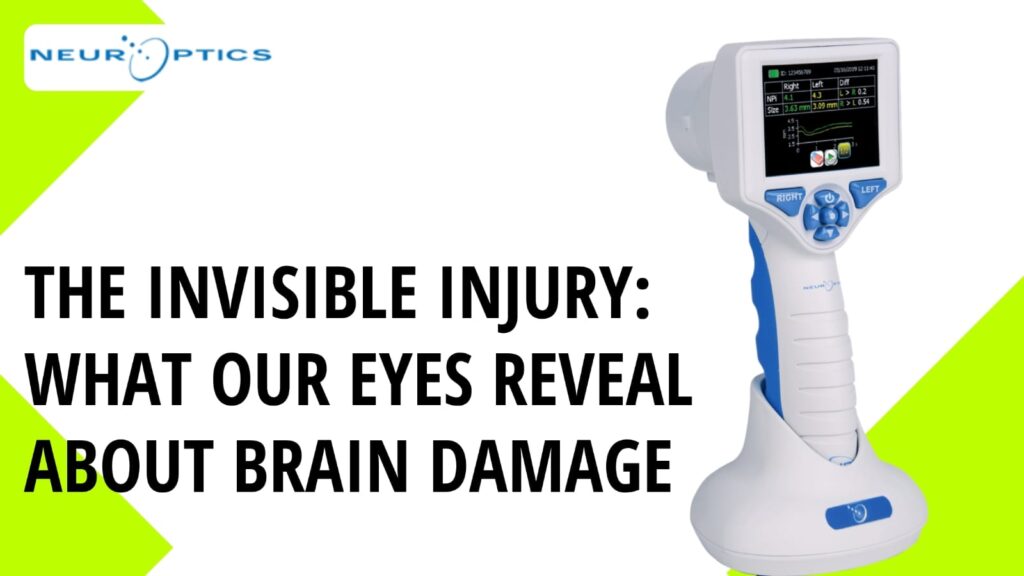
The NPi pupillometer, developed by industry leaders like Neuroptics, has changed how medical staff can evaluate brain injury. Instead of relying on observation, it can rely on proper data. Measuring parameters include:
- Pupil diameter
- Constriction velocity
- Dilation velocity
- Latency
- Percentage of change in pupil size
All these values become one single score called NPi. It ranges from 0 to 5. If the value is above three is considered normal, and if it’s below three, it indicates a neurological health issue which needs immediate treatment.
This data allows medical staff to detect even the slightest change. Sometimes the symptoms must not be visible, but the slightest change can take someone’s life. Early warning and symptoms are very important to avoid damage.
Pupillary Response in Traumatic Brain Injury: A Diagnostic Lifeline
During any Pupillary Response in traumatic brain injury, monitoring pupil reaction provides very vital information about your brain condition. During the injury, if there is any swelling or bleeding, it can compress the oculomotor nerve, leading to a non-reactive pupil. Automated pupil diameter measurement can detect even the slightest change.
By tracking the NPi data, medical staff can determine whether a patient’s neurological status is improving or worsening.
The Role of Neuroptics and Modern Neurological Tools
Industry leaders like Neuroptics play a very important role in bringing neuroscience and technology together. Their portable and easy-to-use devices allow clinicians to perform standardised, objective assessments, anywhere.
Unlike flashlight assessment, which completely depended on human judgement, these devices provide accurate data which minimises the chances of any error. Data is automatically stored, which helps medical staff to monitor the patient’s recovery. Pupillometer has become an indispensable component of modern neurological monitoring protocols
Bringing Precision to Critical Care Nursing
For nurses and critical care, who are often the 1st to find any subtle neurological change, automated devices provide evidence to take any action. Nurses can now rely on precise NPi scores to communicate better and come up with more logical treatments. In addition, pupillometry reduces interobserver variability, which allows consistent tracking even during shift change and between different nurses.
Seeing the Future of Brain Monitoring
The value of pupil diameter measurement and NPi pupillometers extends beyond trauma. Doctors are continuously researching their application to detect early signs of brain injury in cardiac arrest survivors, athletes and post-surgical patients. With industry leaders like Neuroptics and their innovation, these devices may integrate AI in future. This may lead to real-time alerts when our patients’ neurological status begins to go down.
Conclusion
Some brain injuries may be invisible. But through pupil tests, you can find out about these injuries. The NPi pupillometer has changed emergency care, turning the traditional method of flashlight into a modern neurological device. These devices provide proper precision, reliability and speed. As the technology is advancing, it shows that even the smallest detail can provide you with the biggest insights that can save someone’s life.
