
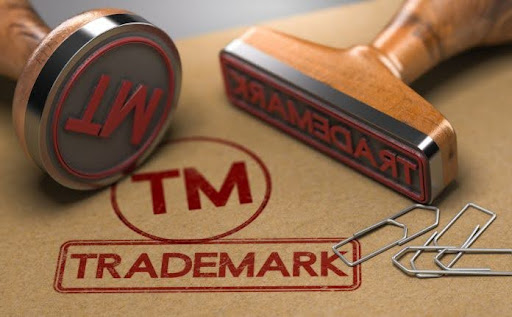
Why China Trademark Registration Matters
For foreign investors and local businesses entering the Chinese market, it is important to protect brand identity initially. China adheres to a stringent “first-to-file” system, meaning that whoever applies first generally enjoys priority. Therefore, Chinese trademark registration is a strategic move for companies to introduce products into this market, renegotiate with local distributors, or buy from Chinese factories. A start for many businesses before they even enter the market , so competitors cannot register similar marks. iPNOTE: Platform that assists companies in offering and managing IP through local attorneys; offers transparent pricing, and can onboard customers online.
Preparing Before You File a Trademark in China
It is better to determine whether your drug’s name or logo can be used and whether it has a chance, rather than file an application in vain. Type clearance search in English and Chinese characters helps identify potential conflicts. As China adopts the Nice Classification system with additional national subclasses, it is crucial that trademarks are correctly classified to provide complete protection. If you’re a business that knows it will expand in the long term, consider your potential product lines and register broader goods or services (so long as they are true at the time). These preliminary steps minimize the risk of rejection due to similarity or incomplete coverage.
Choosing the Correct Trademark Type for the Chinese Market
Some Kinds: Companies can apply for TM, word mark, logo, combined mark or even 3D and color mark with specific conditions. A Mandarin name is often what the local consumers recognize better and overseas companies are now applying for both the English version, as well as a Mandarin one. A Chinese name, transliterated, makes it more difficult for rivals to grab a similar-sounding one that might confuse consumers. When selecting the trademark format, think about how you would like to see your brand on packaging, in digital and marketing materials. Submitting multiple versions can offer more robust protection for different uses.
Applying for Your New China Trademark: Step-by-Step
- Applicants initially apply to the China National Intellectual Property Administration (CNIPA) for registration which is the official process to start.
- The application contains the owner’s information, a for of the mark,classes chosen and a description of the goods or services.
- The majority of international companies agency their trademark in China to prevent “mistakes” and facilitate the administrative elements.
- Once the application is filed, a formal examination and then a substantial examination are conducted to confirm documents and opposing prior marks, respectively.
- Also, being that it is a multi-stage process, having accuracy at the application stage prevents holding up the process.
- This system, which is structured in nature, sets an orderly path through CNIPA.
Using a Trusted Service Provider
Businesses are whittling down requirements thanks to platforms that support per-GEO IP and offer Global Trademark Registration Services. For instance, through professional sponsors such as iPNOTE, applicants can use local lawyers to handle communication, rating, and filing. These services help simplify translation requests and ensure that documents align with CNIPA guidance. A provider with clear processes allows companies to follow each stage of the registration process rather than navigate the complexities of Chinese regulation on their own. In cases where there are several markets or marks, centralised online management becomes especially useful. The intent is to ease formalities while maintaining valid filings.
Timeline of the Chinese Trademark Registration Procedure
If accepted, an application generally progresses through a series of monthly phases. Upon formal examination, CNIPA usually conducts an extended review based on distinctive character and conflict inspection. The mark is then published for a three-month third-party opposition period, unless any such objections are raised. The registration certificate is issued to the CNIPA if the opposed mark is not contested. Final approval takes from a few months to the time allowed in total, depending on certain factors. Well-ordered documentation and on-the-fly responses speed up progress.
Ensuring Protection for Foreign Businesses
For entering companies from foreign countries, they need to pay attention to this, as competitors locally might even register the same mark the day after a brand launch. Filing early can save costly legal battles and rebranding costs. The companies that source products from Chinese factories also benefit, since registered mark ownership gives them greater leverage against China or other production partners. Occasionally, producers request confirmation of the trademark before printing on branded packaging. By protecting early, you can be confident that your marketing materials, web listings, and distribution deals are legally airtight. It also enhances enforcement against fraud products in both domestic and international transactions.
Monitoring, Executing, and Maintaining Your Trademark
Once registered, companies should monitor new filings and applications for potential violation. Enforcement in China should be a combination of administrative measures, requests for takedown on e-commerce platforms, and, if need be, IPR enforcement within the legal system. Recording trademarks with Chinese customs can also help prevent counterfeit goods from entering ports. Chinese trademarks last for a 10-year term, renewable in perpetuity so long as renewal requests are timely filed. By placing certificates on file and tracking their expiration dates, companies avoid interruptions in coverage. Preventive maintenance helps ensure longer-term brand consistency in the emerging Chinese market.
Where to Access Reliable Support
For companies themselves, those requiring support can choose professional toolkits to guide them from preparation through final certification. Services that include local legal expertise and Internet processes tend to be the most efficient. For instance, companies that wish to TM in China can use authorized providers that give their customers visibility into the workflow and access to on-the-ground attorney support. When selecting a platform, consider pricing transparency, communication quality, and experience with international applicants. This kind of full assistance is especially precious when dealing with multiple marks or filing in multiple classes.
Conclusion
File your trademark in China with trademarks registrable product by Allied Legal. Applicants can if nothing else better be enter-educated into the process by learning classification, writing intelligible explanation and making correct representation selection choices. Timely action avoids competitive filings, and builds brand in the vertical sectors such as manufacturing, distribution and consumers. To find out how to get a pro on that and what you should do, be sure to take advantage of services such as China trademark registration which will expertly guide you in protecting your brand assets in-country.
FAQs
As a foreign company, how can I apply for a trademark in China?
Foreign applicants are required to apply through a Chinese trademark agent who will submit the filing to CNIPA.
How much to register a China trademark?
The entire process generally takes a couple of months, and involves an examination with a three-month opposition period after publication.
Can I register a Chinese-language version of my brand?
It is advised to register a Chinese version to prevent others from registering a similar-sounding domain name and to support branding.
When selling in China, should I register as a TM before selling the product?
Yes. In China, it’s a “first-to-file” environment, so the sooner you register your trademarks, the sooner you’ll be protected when business operations begin.
What classes should I take before applying?
China adopts the Nice Classification system with specific sub-classes, so selecting an accurate class is crucial for full coverage.
