
The beauty industry has undergone a noticeable transformation over the past decade, driven by shifting consumer habits, digital education, and growing demand for higher standards of performance and safety. What was once clearly divided between professional salon products and simplified consumer options has evolved into a more nuanced landscape. Today, at-home kits increasingly resemble professional-grade tools, while salons adopt advanced formulations designed for precision and longevity. Brands such as PLA Pro highlight how even specific product categories, like cosmetic adhesives, are becoming part of broader conversations about quality, application methods, and professional results across the beauty sector.
The Rise of At-Home Beauty Solutions
At-home beauty kits have grown rapidly in popularity, fueled by convenience, affordability, and access to online education. Tutorials, social media demonstrations, and brand-produced guides have lowered the barrier to entry for consumers who want salon-style results without frequent professional visits. Lash extensions, nail systems, skincare devices, and hair treatments are now widely marketed for home use.
This shift does not necessarily reflect a move away from professional services. Instead, it shows how consumer expectations have changed. Users are more informed than ever, often researching ingredients, application techniques, and product differences before making a purchase. As a result, at-home kits have become more sophisticated, emphasizing performance, safety, and ease of use.
Where Professional Standards Still Matter
Despite improvements in consumer products, professional-grade beauty tools continue to serve a different purpose. In salons and studios, reliability, consistency, and durability are critical. Professionals rely on products that perform predictably across different clients, environments, and use cases. This is especially true for items such as adhesives, chemical treatments, and tools that interact directly with skin, hair, or eyes.
Professional standards also reflect regulatory awareness, ingredient transparency, and long-term wear expectations. While at-home kits aim for accessibility, professional products are designed for repeated use, advanced techniques, and higher performance thresholds.
Innovation in Product Formulation
One of the most significant areas of innovation in the beauty sector is formulation science. Manufacturers are investing in research to create products that balance strength with comfort, longevity with flexibility, and performance with safety. This applies across categories, from skincare actives to lash adhesives and nail systems.
For example, in the lash industry, distinctions between product types have become more important. Understanding differences in bonding agents, curing times, and wear duration is now part of professional education, while informed consumers are also learning to evaluate these factors. This reflects a broader trend toward transparency and informed decision-making throughout the industry.
Technology and Education Driving Change
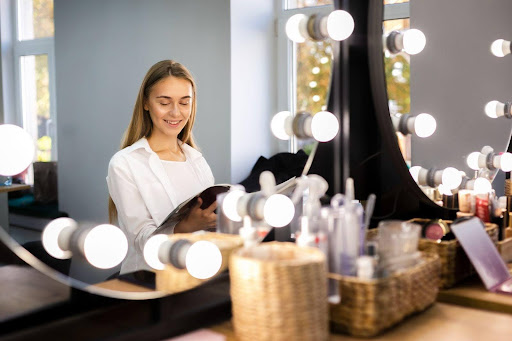
Image from Freepik
Digital platforms have played a key role in bridging the gap between at-home users and professionals. Online courses, certification programs, and brand-sponsored education have made technical knowledge more accessible. This has raised overall expectations and pushed brands to design products that can support both learning and professional application.
Technology has also influenced product design. Precision applicators, improved packaging, and clearer usage instructions help reduce errors and improve outcomes. In turn, this supports safer use and better results, whether the product is used at home or in a professional setting.
Regulatory Oversight and Safety Awareness
As beauty products become more advanced, regulatory oversight remains a central concern. Agencies such as the U.S. Food and Drug Administration play a role in monitoring cosmetic safety, ingredient usage, and labeling standards. The FDA emphasizes that cosmetics and cosmetic ingredients must be safe for consumers when used as intended, reinforcing the importance of proper formulation, testing, and transparent information.
This regulatory framework influences how brands develop and market both consumer and professional products. Increased awareness around safety has also shaped consumer behavior, with buyers paying closer attention to instructions, warnings, and product suitability for specific uses.
The Blurring Line Between Consumer and Professional Products
One of the most notable trends in the beauty sector is the narrowing gap between consumer and professional offerings. Many products now exist in both categories, with variations in strength, packaging, or intended use. This allows consumers to gradually explore more advanced options while still respecting safety boundaries.
For professionals, this trend creates opportunities to educate clients and offer retail products that align with in-salon treatments. For consumers, it provides a pathway to better results without fully replacing professional services. The relationship between at-home care and professional treatment has become more complementary than competitive.
Market Implications for Beauty Businesses
From a business perspective, innovation in beauty products has reshaped supply chains, marketing strategies, and customer engagement. Brands must address a more knowledgeable audience while maintaining credibility and compliance. This has led to greater emphasis on educational content, clear comparisons, and practical explanations of product differences.
Salons and independent professionals also benefit from this environment by differentiating themselves through expertise rather than exclusivity alone. As products become more accessible, skill, experience, and service quality play a larger role in defining professional value.
What Innovation Means for the Industry
The future of the beauty sector points toward continued convergence of technology, education, and product development. Innovations will likely focus on customization, improved safety profiles, and tools that adapt to individual needs. As consumers remain engaged and informed, brands will be expected to support clarity rather than complexity.
In this evolving landscape, innovation is not just about creating new products, but about refining how they are used, understood, and trusted. The shift from basic at-home kits to professional-grade solutions reflects a broader movement toward quality, transparency, and informed choice across the beauty industry.
