
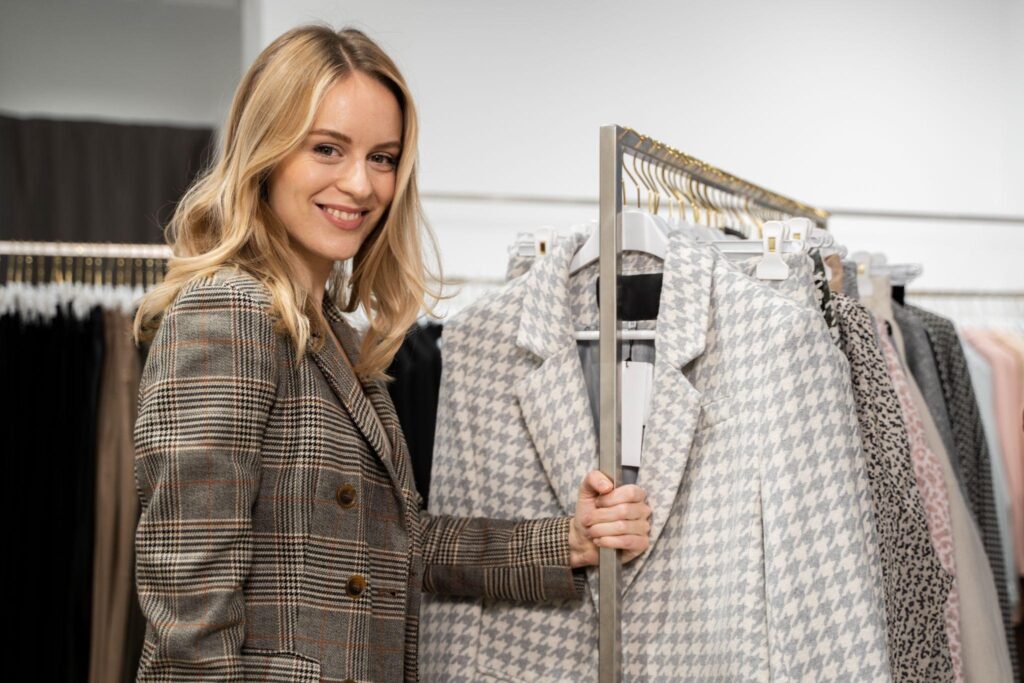
The construction of a garment considers the outer appearance of a garment, although the true quality of the clothing is often characterised by what is underneath. Garment linings significantly affect the feel, performance, and longevity of a clothing item. Well-constructed linings that perform their function will enhance the item’s comfort, durability, craftsmanship and longevity. High-quality linings do not transform a garment, but they do enhance the quality of the garment.
It is critical for designers, manufacturers, and fashion brands to know how a lining interacts with the outer main fabric. High-quality linings transform the garment’s quality by improving the structure and craftsmanship of the fabric, thus elevating the item’s worth. This article focuses on the perfect quality and lining fabric combination for a sure garment improvement.
Knowing What Quality Lining is
Quality linings perform the function of preventing the rough edges of the garment’s outer fabric from grazing skin. This is particularly important in garments of structured fabrics, especially in jackets, coats, skirts, and dresses.
Besides comfort, lining fabric offers support forthe outer fabric by preserving its shape and structure. It enables garments to hang properly and prevents permanent stretching and distortion. The right lining fabric can even protect the outer layer from body oils, sweat, and everyday wear and tear, spanning the life of the garment.
Why Lining Fabric Matters to the Quality of the Garment
Garment quality is more than skin deep. How does the garment feel? How does the fabric feel against the skin? Lining fabric enhances or detracts from the breathability, range of movement, and temperature control. The most elegantly designed garment can feel suffocating and restrictive if the lining is poorly designed.
Adequate lining fabric allows the garment to slide over the body without obstruction. It makes the garment easier to wear and even removes it. The overall experience of wearing the garment is better, and a testimony to the craftsmanship of the garment. In high-end fast fashion, the quality of the lining fabric is an unspoken quality that patrons identify.
Matching of Lining and Outer Fabric
When lining fabric is selected, the compatibility of the outer fabric is one of the most crucial considerations. The two layers of fabric must work together in unison without competition. The outer fabric must be heavy enough for the outer layer.
Weight and texture are crucial elements to consider when choosing a fabric for a lining. A heavy lining may change the way a garment hangs, and a lining that is too light may wear out too quickly and fail to support the structure. The goal is to create a harmonious balance with the layers of the garment.
Breathability and Comfort in Lining Fabric
Garment design must put the wearer’s comfort as a top priority, and the lining fabric is key to helping achieve this. Breathable fabric helps with thermoregulation and overheating, especially with garments that will be worn for long periods.
For moisture absorption and air circulation, natural and semi-synthetic fabrics with smooth textures are preferred. To help with comfort, use a moisture-wicking natural lining. It will help the garment be more comfortable during summer and in humid areas.
Lining Fabrics for Different Garment Types
Lining fabrics are specific to each garment. For example, in formal garments like suits and blazers, the lining is meant to help the fabric hold its structured shape and allow for movement. In lightweight and warm lining fabric garments, like dresses and skirts, it is beneficial for the lining to be lightweight, to help the drape of the fabric and to prevent transparency.
Outerwear can require rugged lining fabrics that retain heat and provide insulation without bulk. Casual garments can require softer linings that prioritise comfort over structure. Knowing the intention behind the design helps identify suitable fabrics for each garment.
Increasing Protection with the Right Lining Fabric
Protection from wear and tear and lining fabric are other factors that contribute to overall garment quality. A strong lining fabric protects seams from failing and reduces the amount of friction between the outer fabric and the body, minimising wear and tear on high-stress areas like the shoulders, underarms, and waistlines.
The overall lifespan of a garment is affected by the rate at which the lining fabric wears out. To retain shape, comfort, and appearance over time, garments with a fabric intended for frequent or long-term use provide a particularly high value.
Garment Movement and Lining Fabric
Freedom of movement is crucial. The lining should allow the garment to move freely with the body. Stiff or overly luxurious linings can cause discomfort and restrict movement.
A soft lining reduces friction between garment layers, improving drape and ease of movement. This is especially important for structured garments, as proper mobility enhances comfort and sophistication. Choosing high-quality lining fabric for garments contributes to the overall feel and appearance of the garment.
Colour and Various Finishes of Lining
Lining fabrics also present opportunities to work with colour. There is a psychological value of colour, and neutral colours bring calming, balanced, and adaptable values to the garment. There are also cases where linings with contrastingcolourss are selected to offer a design feature that does not present to the outside of the garment.
Lining fabric can also be selected based on finish. A lining with a polished and smooth finish is considered to be a better choice over a matte finish to reduce static and provide comfort, while a lining with a matte finish can be selected to provide comfort. Both the industry and the finish of the lining fabric need to be selected to ensure that aesthetic and functional values are present.
Lining Fabrics Used in Different Seasons
The selection of lining fabrics is greatly influenced by the season expected to be worn. Lining meant for summer clothing is lightweight, so that breathability and comfort are enhanced. Lining meant for winter apparel should be of greater weight to provide insulation and increased warmth while ensuring the structural integrity of the garment.
For garments that are intended to be used in a range of seasons, a lining fabric should be selected that optimises the dual aspects of temperature control and comfort. When considering fabrics in consideration are appropriate to the seasons, the garments will be comfortable and functional. Sustainability and Responsible Lining Fabric Choices
The sustainability of the production of a garment is becoming a focal point of the design process. Thoughtfully sourcing lining fabrics that support environmentally responsible practices is one way to achieve that. Using a long-lasting lining will allow a garment to have a longer lifespan and reduce the amount of waste produced.
Teams that integrate lining fabrics from dependable manufacturers like Global Fabric Wholesale will have added affordable access to materials that meet performance and ethical levels of the garment industry. Additional value is added to a brand as responsible sourcing elevates the brand and provides alignment with the needs of today’s consumers.
Cost Efficiency Without Compromising Quality
There is a high cost to the production of a garment when lining materials are added. However, they also reduce aspects of the garment that are lowered in price, raise the value of the item, and make the quality comfortable for the consumer. A line of garments that has been outfitted with a specific lining is a quality investment for the company, not just a cost.
Every aspect of the lining fabric of a garment must be included to achieve a balance of cost and quality. Selecting the right fabric rather than the cheapest is imperative for improving quality and ensuring value. A line of garments that has been outfitted with lining fabrics is a quality investment for the company rather than a cost.
How Lining Fabric Elevates Brand Perception
Even if consumers do not notice lining fabric, they will sense the quality. A well-made, smooth garment that is comfortable to wear will create the most positive perception about the brand itself.
Creating high-quality custom clothing requires intricate knowledge of the construction of clothing. From the fabrics used to the final details, high-quality custom clothing requires every aspect to be tailored towards the needs of the target market. Fashion brands can foster a relationship of trust with the customer’s clothing needs if they understand and incorporate a client’s needs, including their budget, attention to detail, and the fabrics used. This unspoken agreement cultivates a relationship of trust, leading the customer to multiple purchases. Fashion brands can incorporate high-quality, custom clothing and build their trust capital. This can transcend the relationship into the company’s long-standing traditions.
Conclusion
In closing, we can see many characteristics and detail-oriented attributes that fabrics have. Choosing the right lining fabric can be a top accessory to high-quality custom clothing. From the soft touch of the lining fabrics to the endurance, the fabrics value the construction of high-quality custom clothing. Functional, durable, and high-quality custom clothing can easily be achieved using high-quality, custom clothing lined with high-quality clothing. Attention to detail when choosing lining fabric is paramount. Various characteristics of the lining fabrics should also be considered to match them with the custom clothing. The fabrics used, the seasons, the fabric weight, and the target market should all be factors considered when choosing lining fabrics. The lined clothing custom clothing will adequately reflect the high-quality of the fabrics used. The selection of high-quality fabrics will undoubtedly improve the line of custom clothing.
