
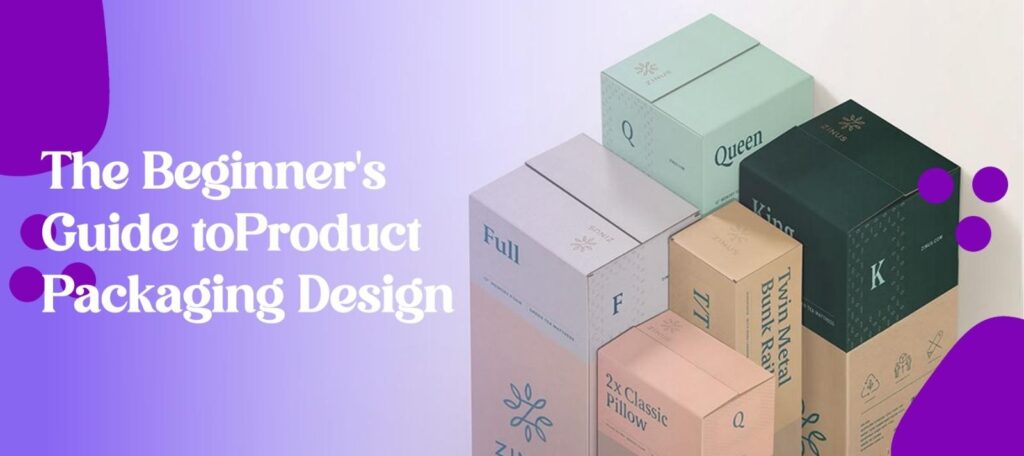
The design of packaging can make or break the overall appeal of your product. Therefore, it is crucial to plan the best possible design for your packaging. Even more, this is the age of branding and branding always needs design. A good design means good branding and a bad design means ineffective branding. In this beginner’s guide, you will know everything related to your packaging design. From establishing goals to achieving those goals with creative design, we will discuss all important aspects of packaging. Before you dive into these points, let’s first understand the importance of packaging design!
Importance Of Product Packaging Design
The packaging design of products plays a critical role as it helps in the product’s attraction and conveys relevant information about the product. It attracts the attention of visitors and takes the role of ‘messenger’. Good packaging design is instrumental in the protection and promotion of products. It gives way to a new form of marketing and, thus, can have a positive effect on the user experience. Similarly, through the use of effective packaging design brands can promote their identity everywhere for greater brand recognition.
Understanding The Brand Identity
The brand identity is the way a brand establishes itself in the market. It is the brand’s big picture that embodies its values, personality, and mission. Comprehension of a brand’s identity is crucial for the creation of packaging design that embodies these elements precisely. This includes developing a vivid understanding of the audience and crafting the design. Brands can keep their branding consistent through the use of packaging, which increases brand recognition and trust with customers. A strong identity of a brand distinguishes it from competitors and promotes a customer’s loyalty.
Establishing Goals For The Packaging Design
To start working on packaging design, you first need to set clear goals. This requires determining what the packaging must do to be able to achieve such as attracting attention, communicating product benefits, or making it stand out on the shelf. Goals need to be in line with the overall brand strategy. The defining of distinct, measurable aims for the methodology serves as a tool for guiding the design and also brings about the achievement of the intended results for your branded custom boxes
Analyzing Competitor Packaging
Competitor packaging analysis requires studying the composition and presentation of products similar to yours in the market. From there, the patterns, and advantageous and disadvantageous elements of competitor products can be identified. Through the knowledge of competitors‘ strengths and weaknesses, brands have an opportunity to differentiate themselves from the competitors through the designs of packaging. Competitor packaging analysis gives brands a chance to spot and fill in the gaps in the market as well as a chance to reconsider/innovate their packaging strategies.
Refining Concepts Based On Feedback
After presenting the initial packaging design, a designer must gather feedback from the clients, colleagues, and consumers who will be the likely fans of the product. For this reason, it allows highlighting points that need to be improved or polished. Finding a way to make a concept exciting by the feedback of the audience requires careful analysis of suggestions and implementation of changes that would help to achieve the goal and objectives of the target audience. The iterative refinement guarantees that the design of the final packaging will be able to express the preferable message and will be in line with the consumer’s tastes.
Choosing Appropriate Colors, Fonts, And Graphics
Choosing the right color, font, and graphics for the package design is a vital factor that helps the brand to be visible and stand out among the competitors. It is necessary to pick the colors that help to achieve the desired mood and ones that match the brand’s personality. Fonts must be readable and consistent with the brand’s tone and style. Graphics ought to be part of the whole design and should only serve to make the packaging more visually appealing. The process of carefully choosing colors, fonts, and graphics is to make packaging that is effective at conveying the intended message.
Learn More About : The Ultimate Guide to Product Dimensions: Choosing the Perfect Box
Balancing Text And Imagery For Clarity And Impact
In the case of packaging, information is transmitted through text and visuals, so a balance between the two is important to maintain clarity and impact. A huge amount of text is not going to be read by consumers, while too little may leave them with questions. Similarly, a visually overloaded image may also distort the message in a bad way, while the lack of visuals may also fail to seize attention. Finding the balance that works is about the right placement of text and images and their combination to shape the message and bring the product benefits to the foreground as well as generate the audience’s interest.
Incorporating Branding Elements
Incorporation of branding elements into packaging design is a good way to help strengthen brand identity and thus enhance brand recognition. This includes among others brand identity elements such as logos, brand colors, and slogans. As a result of this, displaying these components prominently on packaging will make the brands’ products consistent across the product line and their brands will stand out on the shelves. Branding elements such as the logo, color, and tagline, play a significant role in building trust and loyalty among consumers.
Selecting Appropriate Materials And Packaging Types
Picking up the right materials and packing types is as important as anything else for achieving the functionality, durability, and sustainability of the packaging. Such aspects as product types, shipping requirements, and environmental impact need to be included in the analysis. Materials need to be chosen to protect the product, as well as being able to withstand handling, and this way the brand could be conveyed. Types of packaging, like boxes, bottles, or pouches, should be selected to provide the maximum space for the product.
Implementing Packaging Into Production
Once the packaging design is finalized, it’s time to implement it into production. Packaging companies introduce prototypes to create and test to ensure functionality and quality standards are met. Production timelines and budgets are other important aspects to ensure timely delivery and cost efficiency. Communication with production teams is essential to address any issues that arise and ensure that the final packaging meets the desired specifications. Implementing packaging into production requires careful coordination and attention to detail to bring the design to life effectively.
Concluding
The design of a box determines the quality of a product. Yes, it is the packaging that helps you attract new customers and increase sales. Therefore, it is very important to pay close attention to the design of your packaging. You are lucky if you have found a packaging partner that provides free consultation support to design your packaging. They can better help you get the best design at the lowest rates for ordering custom mailer boxes wholesale. Still, I have mentioned the important steps you need to take to create the best design for your packaging.
